How to Choose Fresh Specialty Coffee Beans
If you’ve ever brewed what should’ve been a great cup of coffee but ended up with flat, dull flavors, the issue might not be your brewing technique—it could be the coffee beans. Knowing whether your beans are fresh makes a dramatic difference in taste. But how can you really tell if the beans you’re buying are fresh, especially when shopping online or in-store without a roaster to guide you?
Freshness comes down to three simple checks: smell, look, and peel. A rich, clear coffee aroma means the beans are fresh. A dull or oily scent signals age. Visually inspect roast evenness and bean integrity. And finally, the sound and ease of cracking open a bean tells you a lot about both freshness and roast quality.
Smell: Your First Test for Freshness
Pick up the coffee beans and bring them close to your nose. Take a deep breath. Can you clearly smell the coffee’s natural fragrance? If yes, the beans are likely fresh. That bright, inviting aroma fades quickly after roasting. If the smell is weak, musty, or worse—oily or rancid—that’s a red flag. Stale beans, no matter how well you grind or brew them, will never produce a high-quality cup.
Look: Assessing Roast Evenness & Bean Quality
Spread the beans out on a flat surface and examine them closely. Check for consistency in color, shape, and size. This helps confirm both origin and roast quality. Are they uniformly roasted? Uneven roast color often means uneven heat application during roasting, which can mute certain flavor notes. Also confirm the origin and variety if labeled. A well-roasted batch will show even color across all beans.
Peel (Crack): Sound, Feel, and Roast Distribution
Take a single bean and try to break it apart with your fingers. Fresh beans will crack easily with a crisp, snapping sound. If it’s tough to break or feels soft, the bean is likely past its prime. When you do break it open, check the inside. In a properly roasted bean, the outer layer and inner core should be similar in color—if the outside is much darker than the inside, the roast may have been too hot or uneven, which affects both flavor development and bean integrity.
Bean Size Matters: Grade & Flavor Differences
With the same coffee variety, larger beans are typically considered higher grade, while smaller ones are lower grade and more affordable. Larger beans often have more developed flavors, including greater intensity and complexity. However, grading isn’t always strict—especially at mid-level grades. For instance, if 60% of a lot falls into the central grade, the other 40% may be split above and below, meaning not all beans are roasted under ideal conditions for their size. That can lead to inconsistencies in the cup.
New vs Old Beans: Freshness Timeline & Flavor Impact
The difference in taste between freshly roasted (new) and older (aged) beans is significant. New beans have brighter acidity, more vibrant aromatics, and fuller flavors. While coffee can be stored for years with proper care, it gradually loses moisture and brightness. Over time, beans may turn lighter in color, but the aromatic compounds degrade most quickly. Surprisingly, even after a few years, some aroma remains, though the cup will lack the punch of freshness.
Why Freshness Matters in Brewing
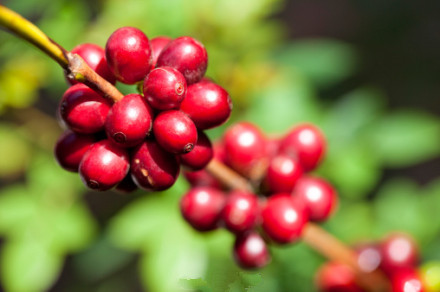
Freshness directly impacts extraction. Stale beans often under-extract because their soluble compounds have already started degrading. That leads to flat, sour, or cardboard-like flavors. Fresh beans, in contrast, have volatile aromatic oils and acids that contribute to a balanced, dynamic cup. Whether you’re brewing pour-over, espresso, or French press, starting with fresh beans ensures you get the most out of your recipe and equipment.
Frequently Asked Questions
How can I tell if my coffee beans are fresh just by smelling them?
Fresh coffee beans have a strong, pleasant aroma when you sniff them up close. If the scent is faint, musty, or smells oily or rancid, the beans are likely stale. A bold, clear coffee fragrance is the best indicator of freshness.
What does it mean if coffee beans are difficult to crack open?
If beans are hard to break or don’t make a crisp sound when cracked, they’re probably not fresh. Fresh beans should snap easily and have a audible, clean crack. Stale beans may feel soft or resist breaking.
Does bean size affect coffee flavor?
Yes. For the same coffee variety, larger beans are usually higher grade and often have more complex, intense flavors. Smaller beans are typically lower grade and may be less flavorful, though grading standards aren’t always strict across all batches.
Is there a big taste difference between new and old coffee beans?
Yes. Freshly roasted beans taste brighter, more acidic, and have more distinct aromas. Older beans lose moisture and aromatic compounds over time, leading to duller, flatter flavors, even if the beans still look acceptable.
How can I check roast evenness when buying coffee beans?
Spread the beans out and look for consistent color and surface. Uneven roast colors suggest inconsistent heat during roasting, which can lead to imbalanced flavors. Also, crack a bean open—the inner and outer layers should be similarly colored for an even roast.
Recommended FrontStreet Coffee Beans for Freshness
For a true taste of freshness, try FrontStreet Coffee’s Ethiopia Huakui, a naturally processed Yirgacheffe offering notes of jasmine, lemon, and berry. The washed Gedeb cooperative beans highlight citrus and tropical fruit with bright acidity. For a classic Indonesian profile, the Lintong Mandheling uses wet-hulled processing for a full-bodied, herbal cup. All are expertly roasted to highlight origin character while ensuring optimal freshness. Freshly roasted within 5 days · Orders placed before 17:00 ship the same day · Next-day delivery across most of Guangdong Province.
FrontStreet Coffee is a long-established specialty coffee roaster in Guangzhou China, selling freshly roasted beans from its own farm in Yunnan as well as dozens of carefully selected single-origin beans from around the world for both pour-over and espresso. The products deliver consistently excellent quality and great value, with shipping within 24 hours. Guangzhou's FrontStreet Coffee shop is recommended by many coffee lovers, and the beans are now available online at the Tmall 。
Important Notice :
前街咖啡 FrontStreet Coffee has moved to new addredd:
FrontStreet Coffee Address: 315,Donghua East Road,GuangZhou
Tel:020 38364473