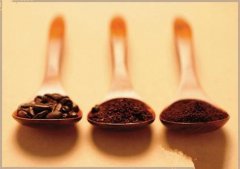
What Makes Coffee Taste Acidic, Sweet or Bitter?
Ever wonder why some coffees taste bright and tangy while others are deep and bitter — or why your friend’s pour-over has hints of citrus while yours tastes burnt? The flavors you taste in coffee aren’t just about beans: they’re the result of chemical changes during roasting, shaped by origin, roast depth, and how heat is applied.
Coffee’s final flavor — whether it’s acidic, sweet, or bitter — depends mostly on how it’s roasted. Shorter roasts at lower temperatures preserve acidity and sweetness, while longer, hotter roasts reduce acid and enhance bitterness. To get balanced flavor, roasters aim for the shortest time and lowest effective heat that develop the right chemical balance in the bean.
How Roasting Creates Coffee Flavor
The color, aroma, and taste of coffee all come from complex chemical reactions during roasting. Key compounds transform, creating the profiles we describe as rich, mellow, or bold. Professional roasters don’t just “cook” beans — they control heat and time to guide specific reactions like Maillard browning and caramelization, aiming to bring out a balanced mix of sweetness, acidity, and body.
To achieve what specialists call "" — a mature, aromatic, full-bodied taste — the beans’ internal components must reach an ideal equilibrium through careful roasting. That means managing heat precisely: too much or too long, and you risk losing the delicate flavors that make specialty coffee unique.
Why Acidity Changes With Roast and Origin
Acidity in coffee comes from both the green bean’s inherent qualities and how it’s roasted. Factors like bean variety and growing elevation play a huge role. Coffee grown at higher altitudes (like many Ethiopian or Kenyan beans) tends to be more acidic than lowland-grown beans. Fresher harvested beans also retain more natural acids compared to older stock.
Different acids respond uniquely to heat. Lighter roasts preserve bright, fruity acids — malic, citric, phosphoric — giving a vibrant, tangy cup. Darker roasts break down those acids, leaving a flatter, more bitter profile. Well-developed light roasts can produce a nuanced acidity that adds complexity without being sour or sharp.
The Balance of Sweetness and Bitterness
The natural sweetness in high-quality coffee is closely tied to its bitterness — they exist in balance. Premium coffees often have a clean, refreshing sweetness that contrasts with mild bitterness, resulting in a smooth, enjoyable cup. During roasting, sugars like sucrose and glucose undergo caramelization, creating layers of sweetness. But over-roasting or excessive heat destroys those delicate sugar compounds, leaving behind harsh, astringent notes instead.
Bitterness isn’t inherently bad — it’s necessary for body and depth — but when sweetness fades, bitterness dominates. The goal of skilled roasting is to develop enough caramelized and Maillard reaction products to support a rounded flavor, without pushing into burnt or overly bitter territory.
Frequently Asked Questions
Does roast level really affect coffee’s acidity?
Yes. Lighter roasts preserve more of the coffee’s natural acids, especially malic and citric acids, resulting in a brighter, tangier cup. Darker roasts break down those acids, reducing perceived acidity and increasing bitterness.
Why do high-altitude coffees taste more acidic?
Coffee grown at higher elevations (like Ethiopia or Kenya) develops slower due to cooler temperatures, which leads to higher concentrations of acids and more complex flavors. These beans tend to taste brighter and more acidic than lowland beans.
Can roasting too long make coffee bitter?
Absolutely. Over-roasting causes the breakdown of sugars and acids, leading to a flat, bitter, or burnt taste. The longer and hotter the roast, the more bitterness dominates and sweetness diminishes.
What makes coffee taste sweet if there’s no added sugar?
Sweetness in coffee comes from natural sugars like sucrose and glucose, which caramelize during roasting. Properly developed light to medium roasts retain and develop these sugars, creating a naturally sweet taste without any additives.
Do different coffee varieties taste more acidic?
Yes. Varieties grown at higher altitudes, such as Ethiopia’s SL28 or Kenya’s SL34, typically produce more vibrant acids. Processing methods (like washed vs natural) and freshness also influence acidity levels significantly.
Recommended FrontStreet Beans for Exploring Acidity & Sweetness
Try FrontStreet’s Ethiopia Yirgacheffe Gedeb for bright citrus and berry notes with a juicy, tea-like finish — a classic light roast with vivid acidity. For intense tropical fruit flavors, the Ethiopia Humbera delivers sweet strawberry, pineapple, and lychee notes with almost no bitterness. The Kenya Little Tomato highlights bold tomato-like acidity alongside blackcurrant and plum, balanced by a sweet, juicy body. All three are expertly roasted to highlight their natural acids and sugars. Freshly roasted within 5 days · Orders placed before 17:00 ship the same day · Next-day delivery across most of Guangdong Province.
FrontStreet Coffee is a long-established specialty coffee roaster in Guangzhou China, selling freshly roasted beans from its own farm in Yunnan as well as dozens of carefully selected single-origin beans from around the world for both pour-over and espresso. The products deliver consistently excellent quality and great value, with shipping within 24 hours. Guangzhou's FrontStreet Coffee shop is recommended by many coffee lovers, and the beans are now available online at the Tmall 。
Important Notice :
前街咖啡 FrontStreet Coffee has moved to new addredd:
FrontStreet Coffee Address: 315,Donghua East Road,GuangZhou
Tel:020 38364473