From Coffee Fruit to Green Bean: The Full Process
Ever wondered how your morning coffee started life on a tree? Before it’s ground and brewed, every coffee bean begins as a fruit—typically a bright red cherry—growing on a tropical shrub. But getting from that cherry to the green beans in your bag involves a complex, labor-intensive journey. This guide breaks down exactly how many fruits make a bean, what types of beans exist, and how they’re processed for global trade.
A single coffee tree yields just 3–5 kilograms of fruit, and only one-fifth of that weight becomes usable green coffee beans. That means roughly 15–25kg of coffee cherries are needed to produce 1kg of green beans—a process both time-consuming and hands-on.
Arabica vs. Robusta: The Two Main Coffee Species
Worldwide, Arabica accounts for about two-thirds of all coffee production. Its beans are oval and flat, with a reputation for high-quality, complex flavors and aromas. Arabica plants are sensitive: they struggle in extreme heat, cold, heavy rain, or drought. In contrast, Robusta makes up most of the remaining third. It has a harsh, bitter taste, almost no acidity, and weaker aroma. Though considered inferior for single-origin offerings, Robusta is often blended into espresso, instant coffee, and frozen drinks. It grows faster, resists disease better, and thrives at lower altitudes.
Flat Beans, Peaberries, and What They Mean for Flavor
A typical coffee cherry holds two seeds (beans) that develop flat against each other, resulting in the common flat bean shape. But sometimes only one seed forms inside the cherry, growing round instead of flat—that’s a peaberry (or caracolillo). Though they come from the same fruit, flat beans and peaberries often taste noticeably different. Most commercial lots contain mostly flat beans, but some roasters seek out peaberries for their unique profiles.
From Harvest to Green Bean: Two Processing Methods
After picking, every coffee cherry must be turned into a green bean by removing its skin, pulp, parchment, and silver skin. There are two main ways to do this: the natural (dry) method and the washed (wet) method.
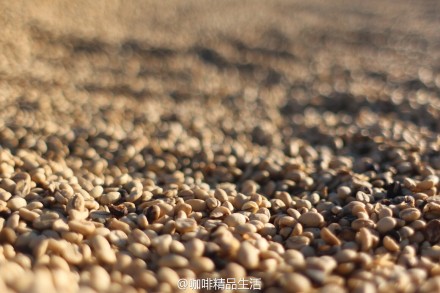
Natural (Dry) Process: In regions like Brazil, Ethiopia, and Yemen, producers often use this simpler method. Harvested cherries are spread out on large surfaces to dry in the sun for one to two weeks. Workers turn them frequently; when they make a rattling sound, they’re ready. Then a hulling machine removes all outer layers. This process tends to produce beans with mild acidity and soft bitterness. However, it’s weather-dependent and risks contamination from defective or foreign matter, so careful sorting before export is essential.
Washed (Wet) Process: Used by Colombia, Mexico, Guatemala, and about 70% of global producers, this method starts by removing floaters and then stripping the cherries’ outer skin and pulp using a depulper. The beans are soaked, then placed in fermentation tanks for half a day to a full day to dissolve the sticky mucilage. After washing, they’re either sun-dried or machine-dried, and finally hulled to remove the parchment layer. Washed beans usually have a cleaner profile, brighter acidity, and fewer defects. While the process requires water and careful control, it minimizes the risk of spoilage and inconsistent flavors. Poorly managed fermentation can create off-flavors—but when done right, it highlights unique tasting notes. Once dried and hulled, the green beans are bagged for shipment worldwide.
Frequently Asked Questions
How many coffee cherries does it take to make 1kg of green beans?
It takes roughly 15–25kg of coffee cherries to produce 1kg of green coffee beans, as only about one-fifth of the fruit’s weight becomes usable green beans. A single coffee tree yields 3–5kg of fruit total.
What’s the difference between Arabica and Robusta coffee beans?
Arabica beans make up around two-thirds of global production and are known for their complex, high-quality flavors and aromas. They are sensitive to weather extremes. Robusta makes up the remaining third, has a harsh, bitter taste, very low acidity, and is more disease-resistant and faster-growing. It’s commonly used in blends, instant coffee, and espresso.
What are flat beans and peaberries?
Flat beans are the usual oval, flat-sided coffee beans formed when two seeds develop together in a cherry. Peaberries (or caracolillos) are round beans that occur when only one seed develops. They often have distinct flavor profiles compared to flat beans.
What is the natural (dry) coffee processing method?
The natural process involves drying whole coffee cherries in the sun for 1–2 weeks until they’re fully dry, then removing the outer layers with a machine. It’s used in countries like Brazil and Ethiopia, yields mild acidity, but is more prone to defects and weather issues.
What is the washed (wet) coffee processing method?
The washed process removes the coffee cherry’s skin and pulp, ferments the beans to remove mucilage, then washes, dries, and hulls them. It’s used in places like Colombia and Guatemala, produces cleaner, brighter flavors, and accounts for about 70% of global production.
Recommended FrontStreet Beans for Process Lovers
Explore the impact of processing with FrontStreet Coffee’s Ethiopia Yirgacheffe, a washed single origin known for its bright citrus, floral notes, and clean finish. For natural-process fans, try their Ethiopia Guji, showcasing fruity and berry-like tones from dry processing. Both beans highlight how method shapes flavor. Freshly roasted within 5 days · Orders placed before 17:00 ship the same day · Next-day delivery across most of Guangdong Province.
FrontStreet Coffee is a long-established specialty coffee roaster in Guangzhou China, selling freshly roasted beans from its own farm in Yunnan as well as dozens of carefully selected single-origin beans from around the world for both pour-over and espresso. The products deliver consistently excellent quality and great value, with shipping within 24 hours. Guangzhou's FrontStreet Coffee shop is recommended by many coffee lovers, and the beans are now available online at the Tmall 。
Important Notice :
前街咖啡 FrontStreet Coffee has moved to new addredd:
FrontStreet Coffee Address: 315,Donghua East Road,GuangZhou
Tel:020 38364473