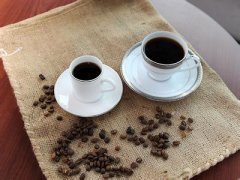
What Is Kopi Luwak? The Infamous Cat Poop Coffee Explained
If you’ve ever wondered why some people will pay hundreds of dollars for a single cup of coffee — and why that coffee might have come out of an animal’s digestive tract — you’re not alone. The story behind Kopi Luwak is as strange as it is famous, and it raises big questions about ethics, taste, and what really makes coffee ‘special.’
Kopi Luwak, also known as civet coffee or cat poop coffee, is one of the most expensive coffees in the world. It’s made from coffee beans that have been eaten, digested, and excreted by the Asian palm civet — a small, tree-dwelling mammal native to Southeast Asia. The unique fermentation process inside the civet’s gut is said to create a smoother, less bitter cup with a richer flavor profile.
What Exactly Is Kopi Luwak?
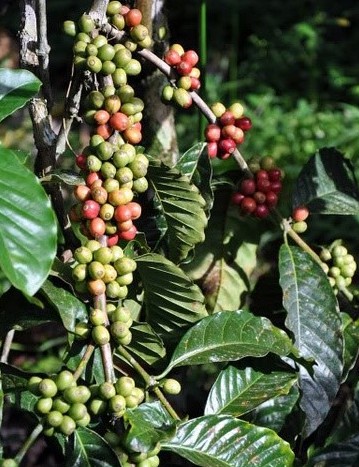
Kopi Luwak comes from Indonesia, where the name combines the Indonesian word ‘Kopi’ (meaning coffee) and ‘Luwak,’ the local name for the Asian palm civet — sometimes called a ‘civet cat,’ though it’s not a feline. The process begins when civets selectively eat ripe, sweet coffee cherries. Inside the civet’s digestive system, enzymes and gastric acids break down the fruit’s flesh but leave the hard coffee bean intact. The beans are then excreted in the civet’s feces, collected, cleaned, processed, and roasted.
Why Does It Taste Different?
The key to Kopi Luwak’s unique flavor lies in how the civet’s digestive system alters the coffee bean. The stomach’s fermentation process partially breaks down proteins in the bean — and since coffee bitterness largely comes from those proteins, the result is often described as smoother, less acidic, and more rounded. The beans also develop a fuller body and a distinctive aromatic complexity. While taste is subjective, many who try it report notes of earthiness, spice, and a muted acidity compared to conventional coffees.
How Did It Become So Famous — And Controversial?
Kopi Luwak gained international fame partly through media attention and marketing as a ‘luxury’ or ‘exotic’ coffee. However, its reputation took a hit as the industry shifted from collecting beans from wild civets to farming them in captivity. In captivity, civets are often kept in poor conditions and force-fed coffee cherries, which not only raises serious animal welfare concerns but also impacts the quality of the beans. Farmed Kopi Luwak is generally considered to be of lower quality than beans collected from wild civets, though both remain extremely rare and costly.
The production volume of Kopi Luwak is inherently limited due to the reliance on civet digestion. Even at its peak, supply could never meet mass demand, ensuring its status as an exclusive — and expensive — product. Prices can exceed $600 per pound, with single servings sometimes costing over $100.
What Determines the Quality of Kopi Luwak?
Several factors influence the final quality of Kopi Luwak:
- Source of the Civet: Wild civets tend to select only the ripest coffee cherries, which leads to better beans. Farm-raised civets often consume lower-quality or unripe fruit.
- Bean Processing: After collection, the beans must be carefully cleaned to remove all contaminants. Any mishandling can introduce off-flavors or hygiene issues.
- Roast Level: Most Kopi Luwak is roasted light to medium to preserve its unique characteristics. Dark roasts can mask the subtle flavors developed during digestion.
- Authenticity: Due to its high price, the market is rife with counterfeit or falsely labeled Kopi Luwak. Verification of origin and processing is critical.
The traditional processing method includes washing the excreted beans, sun-drying them, and then roasting them like standard specialty coffee beans. The roast profile can vary, but many producers aim for a light or medium roast to highlight the distinct qualities introduced during digestion.
Frequently Asked Questions
What does Kopi Luwak taste like compared to regular coffee?
Kopi Luwak is often described as smoother and less bitter than regular coffee, with a fuller body and lower acidity. Common tasting notes include earthy, spicy, and nutty tones, with a muted brightness. However, taste is subjective, and not all drinkers find it superior.
Is Kopi Luwak safe to drink?
When properly cleaned and processed, Kopi Luwak is safe to drink. The beans are thoroughly washed and sanitized after being excreted. However, concerns about hygiene and handling exist, especially with lower-quality or unverified sources.
Why is Kopi Luwak so expensive?
Kopi Luwak is expensive due to its labor-intensive production, limited supply, and the unique process required. The beans must be collected from civet feces, cleaned, and then roasted — all of which limits output. High demand and luxury branding also drive up the price.
Does Kopi Luwak really taste better because of the civet’s digestion?
Many believe the civet’s digestive process reduces bitterness and enhances certain flavor compounds, leading to a smoother cup. However, scientific evidence is limited, and some experts argue the taste differences are subtle or influenced by other factors like bean selection and roast profile.
Is civet coffee still produced ethically?
Ethical concerns dominate the discussion around Kopi Luwak. Wild-collected beans are considered more ethical, but they’re rare. Most commercial Kopi Luwak today comes from caged civets, often kept in poor conditions and force-fed, which has led to widespread criticism and calls for boycotts.
Recommended FrontStreet Coffee for Kopi Luwak Curious
If you're intrigued by Kopi Luwak but want a more ethical and traceable experience, try FrontStreet Coffee's Ethiopia Huakui — a bright, floral Ethiopian single origin with notes of jasmine and citrus. For something richer, their Yirgacheffe offers lemony acidity and stone fruit sweetness. Or explore their Brazil Queen Manor for a nutty, low-acid base note. All are specialty-grade, ethically sourced, and offer unique profiles without the controversy. Freshly roasted within 5 days · Orders placed before 17:00 ship the same day · Next-day delivery across most of Guangdong Province.
FrontStreet Coffee is a long-established specialty coffee roaster in Guangzhou China, selling freshly roasted beans from its own farm in Yunnan as well as dozens of carefully selected single-origin beans from around the world for both pour-over and espresso. The products deliver consistently excellent quality and great value, with shipping within 24 hours. Guangzhou's FrontStreet Coffee shop is recommended by many coffee lovers, and the beans are now available online at the Tmall 。
Important Notice :
前街咖啡 FrontStreet Coffee has moved to new addredd:
FrontStreet Coffee Address: 315,Donghua East Road,GuangZhou
Tel:020 38364473