Guatemalan Coffee Beans: What Makes Antigua Special?
If you’ve ever sipped a cup of coffee and wondered what ancient volcanoes, colonial history, and indigenous resilience taste like — Guatemalan coffee delivers all three. More than just a beverage, it’s a story brewed into every bean: of fertile highlands, devastating eruptions, and generations of farmers preserving tradition amid political and economic challenges.
Guatemala produces some of the world’s most distinctive single-origin coffees, with Antigua standing out for its balanced acidity, rich spice, and unmistakable smoky finish. Over 70% of its coffee comes from Bourbon variety trees grown at high altitudes on volcanic soils.
Why Guatemalan Coffee Stands Apart
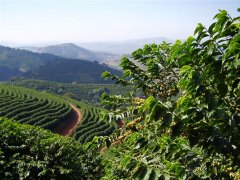
Guatemala’s coffee reputation is built on geography and geology. Two-thirds of the country is mountainous, creating ideal high-altitude conditions for Arabica cultivation. The nation’s 34 volcanoes contribute nutrient-rich, well-draining soils — especially around Antigua, where three active peaks shape the landscape: Agua, Acatenango, and Fuego. These conditions slow coffee cherry maturation, intensifying sugars and acids. Most Guatemalan coffee grows between 1,300 and 2,000 metres above sea level, resulting in dense beans with complex flavour potential.
The Flavour Profile of Antigua Coffee
Antigua coffee is celebrated for its exceptional balance. Expect a bright yet smooth acidity, medium body, and a velvety mouthfeel. The flavour notes include deep fruit acidity, warm spices like clove and cinnamon, and a signature smokiness reminiscent of aged wood or tobacco. Unlike brighter African coffees or sweeter Latin American profiles, Antigua offers a more layered, sometimes wild edge. Its aftertaste lingers with hints of dark chocolate and earthy undertones. When cooled slightly, a subtle sweetness often emerges, surprising those who expected a strictly sharp cup.
This complexity has earned Antigua global acclaim. Coffee experts frequently rank it among the best single-origin coffees for both filter and espresso brewing. Its distinct character holds up even when blended, making it a favourite among roasters aiming to add depth to their profiles.
Guatemala’s Seven Coffee Regions
Guatemala officially recognises seven distinct coffee-growing regions, each producing beans with unique profiles due to variations in altitude, climate, and soil:
- Antigua: Surrounded by volcanoes, low humidity, cool nights, and intense sun. Known for bold spice, smokiness, and wine-like acidity. Key farms include La Esperanza and El Pilar.
- Cobán: A humid, subtropical region with constant rainfall. Produces mild, soft, and balanced coffees with less pronounced acidity.
- Atitlán: Coffee grows along the shores of Lake Atitlán, surrounded by volcanoes. Benefits from high altitudes and volcanic soil. Known for bright acidity and floral notes.
- Huehuetenango: The western highlands region bordering Mexico. One of the driest and highest areas (up to 2,000m). Produces vibrant, fruity, and complex coffees with excellent acidity.
- Fraijanes: Near Guatemala City, with volcanic soil and moderate rainfall. Produces well-balanced coffees with medium acidity and body.
- Oriente: Eastern region with lower altitudes and warmer climates. Coffees tend to be milder and less complex.
- San Marcos: The hottest and wettest coffee region, also at lower elevations. Produces softer, more approachable cups with mild acidity.
Among these, Antigua remains the most revered. Its combination of volcanic soil, microclimates shaped by nearby volcanoes, and traditional farming practices results in a cup that’s hard to replicate elsewhere.
The Role of Bourbon Varietals
Most premium Guatemalan coffee, including Antigua, comes from Bourbon variety plants. This classic Arabica lineage, known for its rounder cherries and balanced cup, thrives in Guatemala’s high altitudes. Bourbon trees typically yield 30% more fruit than Typica, though they are more susceptible to disease. In Guatemala, Bourbon has been carefully cultivated to express the region’s terroir, resulting in beans with medium acidity, medium body, and a spectrum of flavours from caramel to citrus to spice.
While other varieties exist (including some Catuai and Caturra), Bourbon remains central to Guatemala’s identity in the specialty coffee world. Its prevalence contributes to the country’s reputation for consistency and quality.
The Challenges Facing Guatemalan Coffee
Despite its premium reputation, Guatemala’s coffee industry faces significant hurdles. The average yield is approximately 700 kg per hectare — lower than El Salvador’s 900 kg/ha and far below Costa Rica’s 1,700 kg/ha. Political instability, shifting global commodity prices, and climate change have all impacted production and farmer livelihoods. Many smallholder farms are run by descendants of the Maya, who continue to cultivate coffee at high elevations using traditional methods.

The Guatemalan National Coffee Association and specialty-focused groups are working to improve infrastructure, promote high-quality lots, and expand access to international markets. Their efforts aim to ensure the survival of the small farms that produce Guatemala’s most distinctive coffees.
Frequently Asked Questions
What makes Antigua coffee different from other Guatemalan regions?
Antigua coffee is distinct due to its volcanic soil, microclimate shaped by three surrounding volcanoes, and low humidity. These factors create a cup with bold spice, smoky depth, balanced acidity, and a lingering chocolatey finish — more complex and structured than coffees from other regions like Huehuetenango or Cobán.
What coffee variety is most common in Guatemala?
Bourbon is the dominant coffee variety in Guatemala, especially in premium regions like Antigua. It produces medium-bodied, well-balanced cups with bright acidity and notes of spice, citrus, or chocolate. Other varieties like Typica, Caturra, and Catuai are also grown but less prominent in specialty exports.
What altitude do Guatemalan coffee farms typically grow at?
Most specialty-grade Guatemalan coffee is grown between 1,300 and 2,000 metres above sea level. These high elevations slow cherry development, increasing sugar concentration and acidity, which contribute to the country’s renowned complex cup profiles.
Does Guatemalan coffee have a smoky flavour?
Yes, particularly coffee from Antigua. The region’s volcanic activity and cooling evening winds can impart a subtle smokiness to the beans, often described as reminiscent of tobacco or aged wood. This trait is valued by specialty roasters and coffee enthusiasts.
Why is Guatemalan coffee more expensive than some other origins?
Guatemalan coffee often commands higher prices due to its high growing altitudes, labour-intensive cultivation on volcanic slopes, lower yields per hectare (around 700 kg), and the premium quality achieved through meticulous processing and sorting. The cost reflects both production challenges and cup quality.
Is Guatemalan coffee good for espresso?
Yes. Guatemalan coffee, especially from Antigua or Huehuetenango, is highly regarded for espresso due to its balanced acidity, medium body, and complex flavour notes. Its natural sweetness and chocolatey undertones make it an excellent single-origin choice or blend component for espresso.
Recommended FrontStreet Coffee Beans for Guatemalan Profiles
For drinkers exploring Guatemalan-style coffee, FrontStreet’s Bourbon offering highlights the classic traits found in Antigua: medium body, bright acidity, and a balanced profile with subtle sweetness. While not from Guatemala, this Bourbon variety shares the same genetic roots and delivers a similarly smooth, structured cup. For something with more spice and depth, consider pairing it with FrontStreet’s Brazilian offerings like the Brazil Queen Manor Yellow Bourbon, which brings creamy texture and caramelized sugar notes. Together, they echo the complexity Guatemalan highland coffees are known for. Freshly roasted within 5 days · Orders placed before 17:00 ship the same day · Next-day delivery across most of Guangdong Province.
FrontStreet Coffee is a long-established specialty coffee roaster in Guangzhou China, selling freshly roasted beans from its own farm in Yunnan as well as dozens of carefully selected single-origin beans from around the world for both pour-over and espresso. The products deliver consistently excellent quality and great value, with shipping within 24 hours. Guangzhou's FrontStreet Coffee shop is recommended by many coffee lovers, and the beans are now available online at the Tmall 。
Important Notice :
前街咖啡 FrontStreet Coffee has moved to new addredd:
FrontStreet Coffee Address: 315,Donghua East Road,GuangZhou
Tel:020 38364473