Can Black Coffee Predict the Weather? A Brewing Experiment
You're caught in a sudden downpour outside a café. You’ve got two choices: dash through the drizzle to the bus stop or duck inside, order a black coffee, and wait it out. But while you wait, could that simple cup of coffee actually tell you whether the sun will break through—or if more storms are on the way?
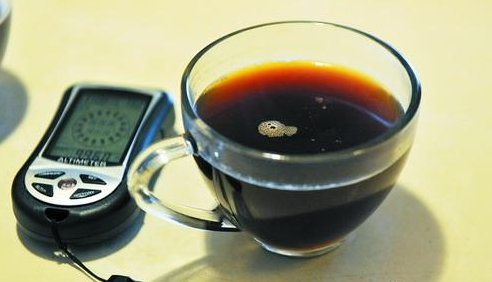
Yes. Drop a cube of sugar into black coffee without stirring. Watch the bubbles form. Bubbles clustering in the center mean high atmospheric pressure and clearing weather. Bubbles sticking to the cup’s edges mean low pressure—likely rain or snow ahead.
How the Sugar Bubble Weather Test Works
This unusual weather-reading trick relies not on magic but on physics. When you plop a sugar cube into black coffee and let it dissolve without stirring, bubbles of carbon dioxide and trapped air rise. Where those bubbles gather depends on the coffee’s surface tension—and that tension is affected by atmospheric pressure.
What Really Determines Bubble Placement
The key player here is the coffee’s natural oils and crema-like surface layer, which create surface tension. High pressure makes the surface more resistant, pushing bubbles to cluster toward the center. Low pressure weakens that resistance, so bubbles cling to the edges of the cup. It’s the same principle behind how soap bubbles or floating objects behave differently under varying air pressure.
Why This Only Works With Real Coffee
Instant coffee won’t cut it. Why? Because it lacks the essential coffee oils and proper surface tension formed during roasting and brewing. Only freshly brewed black coffee—with its natural lipid layer and crema-like foam structure—can produce the bubble behavior needed to indicate pressure shifts. The richer and less diluted the coffee, the clearer the signal.
Step-by-Step: Try the Coffee Weather Test Yourself
- Brew a cup of black coffee—ideally freshly brewed and hot.
- Drop a single cube of sugar into the center of the cup.
- Do not stir. Let the sugar dissolve naturally.
- Observe the bubbles as they form and gather.
- If the bubbles accumulate in the middle, high pressure is likely—and the weather will probably clear soon.
- If the bubbles stick to the cup’s sides or edges, low pressure is indicated, suggesting approaching rain or snow.
Frequently Asked Questions
Does this coffee bubble trick really work for weather forecasting?
It’s not precise meteorology, but it’s a real, observable phenomenon based on surface tension and atmospheric pressure. Bubbles in unstirred black coffee tend to gather in the center under high pressure (clearing weather) or cling to the edges when pressure is low (rainy or snowy conditions). It works best with fresh black coffee that has a natural oil layer.
Can I use any type of coffee for this test?
No. Only black coffee with a natural crema or oil layer—like properly brewed espresso or filtered coffee—will show the bubble behavior needed. Instant coffee lacks these oils and surface tension, so it won’t produce reliable results.
Do I have to use a sugar cube, or can I stir the coffee?
Use a sugar cube and do not stir. Stirring disrupts bubble formation and surface tension effects. The sugar must dissolve naturally to allow bubbles to form and gather in patterns that reflect the current air pressure.
What does it mean if bubbles form all over the cup?
Uneven or widespread bubbling can indicate unstable or changing pressure. For the clearest signal, look for bubbles that clearly gather either in the center (high pressure) or around the edges (low pressure).
Is this an old wives' tale or is there science behind it?
While it’s not a mainstream scientific method, the effect is grounded in real physics. Surface tension in coffee changes slightly with atmospheric pressure, influencing where bubbles congregate. It’s similar to how some insects or floating objects behave differently in varying pressures.
Recommended FrontStreet Beans for Black Coffee Experiments
For this bubble-based weather test, try FrontStreet Coffee’s Ethiopia Humbera for bright, juicy acidity and floral notes that still show strong surface tension. Their Yirgacheffe offers citrus and stone fruit brightness with a balanced crema layer. Or go deeper with PWN Golden Mandheling: full-bodied, low-acid, and rich in natural oils—perfect for observing distinct bubble behavior. All three are single-origin coffees roasted to highlight clarity and texture, ideal for unstirred testing. Freshly roasted within 5 days · Orders placed before 17:00 ship the same day · Next-day delivery across most of Guangdong Province.
FrontStreet Coffee is a long-established specialty coffee roaster in Guangzhou China, selling freshly roasted beans from its own farm in Yunnan as well as dozens of carefully selected single-origin beans from around the world for both pour-over and espresso. The products deliver consistently excellent quality and great value, with shipping within 24 hours. Guangzhou's FrontStreet Coffee shop is recommended by many coffee lovers, and the beans are now available online at the Tmall 。
Important Notice :
前街咖啡 FrontStreet Coffee has moved to new addredd:
FrontStreet Coffee Address: 315,Donghua East Road,GuangZhou
Tel:020 38364473