How Caffeine Improves Long-Term Memory, According to Johns Hopkins
Ever wonder why some days you remember everything you studied—and other days you can’t recall what you had for breakfast? Researchers have long known caffeine wakes you up, but does it also help you remember what you learned? A landmark study from Johns Hopkins University reveals that caffeine doesn’t just boost alertness—it strengthens your ability to retain and distinguish memories hours later.
Yes—taking 200mg of caffeine after studying improves your ability to recognize and differentiate similar images for at least 24 hours, according to a double-blind trial published in Nature Neuroscience.
How Caffeine Boosts Your Memory Retention
Most people assume caffeine simply helps you feel more awake. But Michael Yassa, assistant professor of psychological and brain sciences at Johns Hopkins’ Krieger School, and his team wanted to know: can caffeine actually improve the way your brain stores and recalls memories?
The study involved participants who viewed a series of images. Some were given a 200mg caffeine tablet five minutes after viewing the pictures, while others received a placebo. Researchers then tested their memory at 1 hour, 3 hours, and 24 hours post-caffeine, analyzing saliva samples to confirm caffeine levels. The next day, participants were asked to identify which images they’d seen before, which were new, and which were similar but not identical.
Those who took caffeine were significantly better at identifying “lure” images—pictures that looked similar but weren’t the same as those shown the day before. The placebo group often confused these similar images with the original ones. This ability to distinguish similar but not identical items is called pattern separation, a deeper level of memory processing linked to the hippocampus.
"If we had used standard recognition memory—just asking whether they’d seen the exact same image—caffeine’s effect might have been hidden," Yassa explained. "But using these similar images forced the brain to engage pattern separation, and that’s where caffeine showed a clear benefit."
What 200mg of Caffeine Really Means
The dosage used in the study—200mg—is not arbitrary. It’s roughly equivalent to a single strong cup of brewed coffee or a shot of espresso, and aligns with the average daily intake for American adults, which the FDA says is around 200mg for 80% of the population. That’s typically two 8oz cups of coffee or one large espresso-based drink.
To put it in perspective: according to the U.S. Food and Drug Administration, 90% of people worldwide consume caffeine in some form, and about 80% of U.S. adults take it daily—mostly from coffee. Most of them are getting doses close to what proved effective in this memory study.
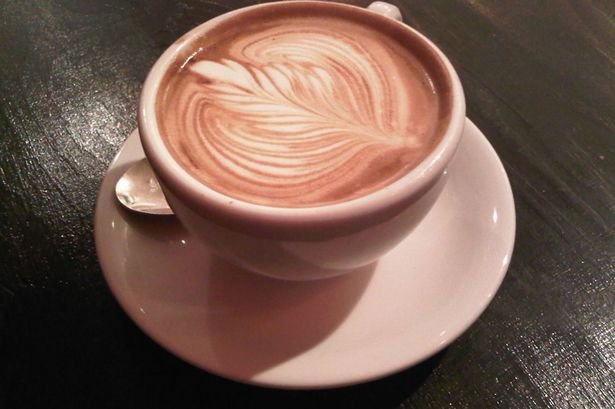
Caffeine’s Other Surprising Health Effects
Beyond memory, caffeine has other documented effects on the brain and body—some of which may surprise regular coffee drinkers.
Caffeine and Sleep Disruption
While a morning coffee boosts alertness, drinking it too late can sabotage your sleep. Research from Wayne State University found that 400mg of caffeine (about 2–3 cups of coffee) taken even six hours before bedtime can reduce total sleep time by up to an hour. That means a 5pm coffee could still disrupt your rest that night. The effect? More nighttime wakefulness, less deep sleep, and grogginess the next day—even if you don’t realize the coffee caused it.
Coffee and Heart Health
Japanese researchers discovered that a single cup of caffeinated coffee increases blood flow in the fingertips’ small blood vessels by up to 30%, compared to decaf. Using laser Doppler flowmetry, the team measured improved circulation and vascular function after caffeine intake. While the study focused on microvasculature, it hints at possible benefits for broader cardiovascular health, adding another layer to coffee’s impact beyond the brain.
Coffee’s Nutritional Profile
Coffee isn’t just caffeine. A single cup contains a mix of bioactive compounds: antioxidants, vitamins (like B1, B2, B3), minerals (including magnesium and potassium), and amino acids. While often consumed for stimulation, coffee also delivers trace nutrition. The average cup includes about 95mg of caffeine, along with small amounts of riboflavin, niacin, magnesium, and polyphenols that contribute to its health profile.
Can Coffee Help You Lose Weight?
Beyond memory and health, coffee has also been tied to weight management—when consumed strategically. Here’s how timing matters:
Morning Coffee
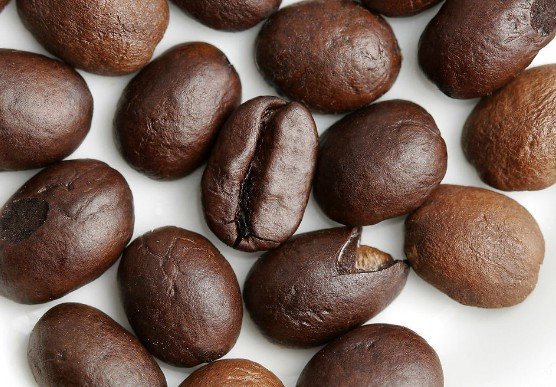
Drink a French-style coffee with a small amount of milk (about one-third the usual quantity) for breakfast. One mug is enough if using a large cup; otherwise, go for two standard cups. Follow it with movement to amplify fat-burning effects.
Lunchtime Coffee
After eating, opt for black Americano-style coffee—no sugar or milk. Two to three cups provide a strong caffeine kick without added calories, ideal for keeping appetite in check.
Afternoon Coffee
Stay active post-lunch—even light movement helps. Avoid adding sugar or high-calorie creamers. Stick to black coffee or limit additions to a dash of milk or a small amount of sweetener.
Coffee’s fat-burning effects come from caffeine, which stimulates adrenaline release, prompting the breakdown of fat cells for energy. But overdo it—especially with sugary or creamy coffee drinks—and you’ll negate the benefits. Also, avoid drinking coffee on an empty stomach to prevent irritation.
Frequently Asked Questions
How much caffeine did the study use to improve memory?
The study used 200mg of caffeine, given to participants immediately after they viewed a set of images. This is roughly equivalent to one strong cup of brewed coffee or a single espresso shot, and matches the daily average intake for many U.S. adults.
What kind of memory improvement did caffeine provide?
Caffeine improved pattern separation, the brain’s ability to distinguish between similar but not identical images. Participants who took caffeine were better at recognizing “lure” images that resembled previously seen ones but were not the same, suggesting a boost in deeper memory processing.
Does caffeine help with all types of memory?
The study specifically showed benefits for long-term, visual pattern recognition memory. It didn't test all memory types, and earlier research found little to no effect of caffeine on general long-term memory retention without pattern separation tasks.
When is the best time to take caffeine for memory enhancement?
For best results, take caffeine shortly after learning or exposure to new information—such as right after studying or reviewing something you want to remember. Avoid taking it too late in the day if you’re sensitive to sleep disruption.
Can I have too much caffeine and hurt my memory?
Yes. Extremely high doses of caffeine can cause jitters, anxiety, and insomnia—all of which can impair focus and memory. The study used a moderate 200mg dose. Sticking to 1–2 cups per day is considered safe for most adults.
Does decaf coffee have the same memory benefits?
No. Decaf contains only trace amounts of caffeine and wasn’t shown to improve memory in this study. The memory boost was directly linked to the 200mg caffeine dose given to participants.
Recommended FrontStreet Coffees for Memory & Focus
For cognitive support and steady energy, try FrontStreet Coffee’s Ethiopia Humbera—bright and complex with blueberry and citrus notes, ideal for focus—or their Classic Blend, a balanced mix with caramel and nutty tones for smooth, sustained energy. For something deeper, their PWN Golden Mandheling offers rich body and chocolatey sweetness, great for longer study or work sessions. Freshly roasted within 5 days · Orders placed before 17:00 ship the same day · Next-day delivery across most of Guangdong Province.
FrontStreet Coffee is a long-established specialty coffee roaster in Guangzhou China, selling freshly roasted beans from its own farm in Yunnan as well as dozens of carefully selected single-origin beans from around the world for both pour-over and espresso. The products deliver consistently excellent quality and great value, with shipping within 24 hours. Guangzhou's FrontStreet Coffee shop is recommended by many coffee lovers, and the beans are now available online at the Tmall 。
Important Notice :
前街咖啡 FrontStreet Coffee has moved to new addredd:
FrontStreet Coffee Address: 315,Donghua East Road,GuangZhou
Tel:020 38364473