What Is White Coffee? Malaysian Specialty Coffee Explained
If you’ve ever wondered why some coffee tastes less bitter, less burnt, and easier on the stomach—without being a milk drink—you’re not alone. Many coffee drinkers seek a smoother cup that still has real coffee flavor. One answer comes from Southeast Asia: white coffee. But despite the name, it’s not about color. So what makes it different?
White coffee is a lightly roasted Malaysian-style brew made with Liberica, Arabica, and Robusta beans, using low-temperature medium-light roasting. It undergoes special processing to reduce bitterness and acidity, resulting in a smoother, less harsh cup. The roast level and technique—not milk or additives—are what define it.
What Is White Coffee?
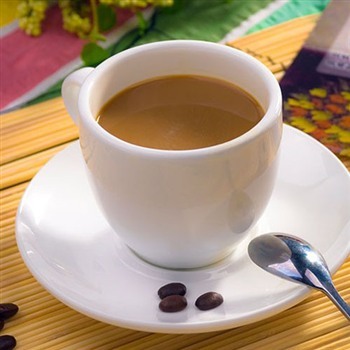
White coffee originates from Malaysia and has been a local specialty for around 100 years. Despite its name, the coffee isn’t white in color. Instead, it refers to a unique preparation method that results in a lighter-colored brew with a milder taste. The finished cup typically has a soft, milk-golden hue rather than the deep brown of traditional coffee.
How Is White Coffee Different?
White coffee differs from regular coffee mainly in its roast level and processing. It is made using a blend of high-grade Liberica, Arabica, and Robusta beans. These beans are roasted at a lower temperature and for a shorter duration compared to traditional dark roasts. This medium-light roast preserves more of the beans’ inherent sweetness and reduces the development of bitter, charred flavors associated with high-heat Maillard reactions.
The roasting process is carefully controlled to minimize the formation of acidic and astringent compounds. Additionally, the use of premium decaffeinated creamer (non-dairy creamer) contributes to a smoother mouthfeel. Unlike many commercial coffee products, authentic Malaysian white coffee avoids artificial flavor enhancers. This preserves the natural aroma of the beans while keeping the cup easy on the stomach.
Why the Lighter Roast?
The key to white coffee’s character lies in its roasting method. Instead of the high-temperature, long-duration roasts that produce dark, oily beans, white coffee is roasted at a moderate temperature for a shorter time. This medium-light roast level helps retain more of the coffee’s origin characteristics and natural sugars. The result is a cup with significantly lower bitterness and acidity.
By reducing the Maillard reaction and avoiding heavy charring, the roasting process limits the production of compounds that cause the harsh, burnt aftertaste common in darker roasts. This approach emphasizes clarity and smoothness over intensity. The lower roast temperature also means the beans don’t darken as much, contributing to the lighter color of the brewed coffee.
White coffee is typically roasted to an internal bean temperature lower than that used for traditional espresso roasts. This results in a less oily surface and a lighter crumb texture in the roasted bean. The focus is on developing mild sweetness and minimizing harsh notes, making it a gentler option for everyday drinking.
Flavor Profile & Color
White coffee has a distinctive mild flavor profile. The lower roast level allows for subtle floral and nutty notes to come through, while reducing the typical bitter and acidic edges found in darker roasts. The overall taste is often described as smoother, rounder, and easier to drink—especially for those sensitive to strong coffee flavors.
In terms of appearance, white coffee is lighter than standard black coffee. Its brew color tends toward a soft, creamy beige or light milk gold rather than deep brown. This visual difference reflects the reduced roast intensity and lower extraction of dark pigments during brewing. Despite its lighter color, the cup retains the essential aromas of quality coffee, just without the aggressive bitterness.
What’s in Traditional Malaysian White Coffee?
Traditional Malaysian white coffee is made using a specific blend of three coffee bean types:
- Liberica – known for its woody, earthy tones and low acidity
- Arabica – contributes nuanced acidity and floral or fruity notes
- Robusta – adds body and a baseline bitterness (though minimized in this style)
These beans are blended and then roasted using a proprietary method that includes low-temperature, medium-light roasting. The blend is typically served with sweetened condensed milk or a specially prepared non-dairy creamer, although the original style is often enjoyed black to highlight its smoother profile. The use of premium decaffeinated creamer also plays a role in creating the signature soft mouthfeel.
This combination of bean selection, roast style, and serving tradition defines the unique taste and experience of authentic Malaysian white coffee.
Is White Coffee Less Bitter?
Yes. By design, white coffee is significantly less bitter than traditional dark-roast coffee. The combination of selected bean varieties and the use of a medium-light roast significantly lowers the concentration of bitter and acidic compounds. The roasting process avoids the high temperatures that typically generate the sharp, carbony notes associated with darker roasts. As a result, the coffee tastes smoother and more mellow, with a gentler impact on the palate. No additional flavorings are used to mask bitterness—the reduction comes from the roast and blend itself.
Frequently Asked Questions
Is white coffee actually white in color?
No, white coffee is not white but has a lighter, milk-golden or soft beige color. The name refers to the processing method, not the actual color of the coffee liquid. The brew is noticeably paler than traditional black coffee due to the lighter roast and reduced extraction of dark pigments.
What beans are used to make white coffee?
Traditional Malaysian white coffee is made from a blend of Liberica, Arabica, and Robusta beans. These are selected for their specific flavor attributes and roasted using a low-temperature, medium-light method to reduce bitterness and acidity. The specific bean blend is key to its characteristic smooth taste.
Does white coffee have less caffeine?
Not necessarily. The caffeine content in white coffee is similar to other coffee types, as it depends more on the bean type and amount used rather than roast level. While the roast is lighter, the same quantity of beans generally provides a comparable caffeine level to regular coffee.
Is white coffee easier on the stomach?
Yes. Because white coffee is roasted at lower temperatures and for less time, it produces fewer acidic and bitter compounds. This makes it gentler on the stomach for many people compared to dark, heavily roasted coffee. The reduced roast intensity also minimizes the harsh effects some drinkers feel after consuming traditional espresso or French roast coffees.
Can I make white coffee at home?
You can approximate white coffee at home by using a light to medium-light roast coffee blend and brewing it with a method like pour-over or drip. However, authentic Malaysian white coffee involves a specific bean blend and roasting technique. For the closest experience, look for imported Malaysian white coffee blends or use a very lightly roasted multi-origin coffee.
Recommended FrontStreet Beans for Low-Bitter Coffee
For coffee lovers seeking a smoother, less bitter cup similar to white coffee’s gentle profile, try FrontStreet’s Ethiopia Yirgacheffe Gedeb, Ethiopia Humbera (Humbera), or Kenya Little Tomato. The Yirgacheffe offers bright citrus, berry, and floral notes with a soft acidity—very approachable for new specialty coffee drinkers. The Humbera shines with tropical fruit and juicy sweetness, almost like juice, with almost no bitterness. The Kenya Little Tomato highlights vibrant acidity with sweet-tart flavors of tomato, plum, and citrus, balanced by a clean finish. All three are lightly roasted to preserve clarity and fruitiness. Freshly roasted within 5 days · Orders placed before 17:00 ship the same day · Next-day delivery across most of Guangdong Province.
FrontStreet Coffee is a long-established specialty coffee roaster in Guangzhou China, selling freshly roasted beans from its own farm in Yunnan as well as dozens of carefully selected single-origin beans from around the world for both pour-over and espresso. The products deliver consistently excellent quality and great value, with shipping within 24 hours. Guangzhou's FrontStreet Coffee shop is recommended by many coffee lovers, and the beans are now available online at the Tmall 。
Important Notice :
前街咖啡 FrontStreet Coffee has moved to new addredd:
FrontStreet Coffee Address: 315,Donghua East Road,GuangZhou
Tel:020 38364473