Best Home Espresso Machines for Beginners and Enthusiasts
If you’ve ever walked out of a café wishing you could recreate that rich, velvety espresso or creamy latte at home, you’re not alone. But with so many machines on the market—ranging from a few hundred to over ten thousand dollars—it’s hard to know where to start. What makes a good home espresso machine? How much pressure does it really need? And which models actually deliver café-quality results without taking up half your kitchen?
The short answer: look for a machine that can sustain 9–10 bars of pressure, ideally with a PID for temperature stability. For most home users, the Rancilio Silvia or Expobar E61 offer the best balance of price, performance, and upgrade potential. More serious enthusiasts might step up to the Nuova Simonelli Musica for its digital controls and premium build.
What Is Espresso—and Why Does Pressure Matter?
Espresso is the concentrated coffee base used in drinks like cappuccinos, lattes, and americanos. Born in Italy, it’s known for its small volume, intense flavor, and the golden crema that floats on top. But making a great shot isn’t easy: it requires extracting coffee under 125–130 pounds of pressure (about 9–10 atmospheres), something no human hand can achieve. That’s where a proper espresso machine comes in.
Most commercial machines hit this pressure, but they’re bulky and expensive. Home machines, often powered by vibration pumps (cheaper but less consistent) or rotary pumps (more stable, usually found in commercial rigs), aim to deliver the same results in a smaller footprint. Your choice of machine will determine how close you can get to that café-quality espresso at home.
Top Home Espresso Machines for Every Skill Level
Here’s a breakdown of the most recommended home espresso machines, based on performance, features, and value:
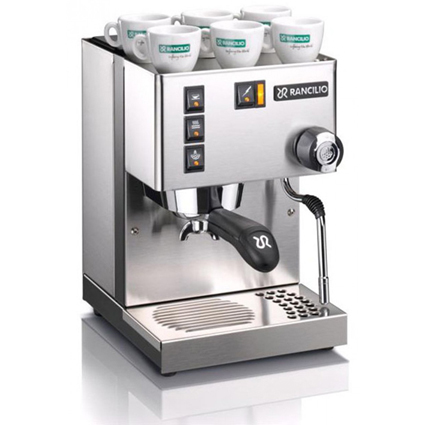
Rancilio Silvia – The Beginner’s Workhorse
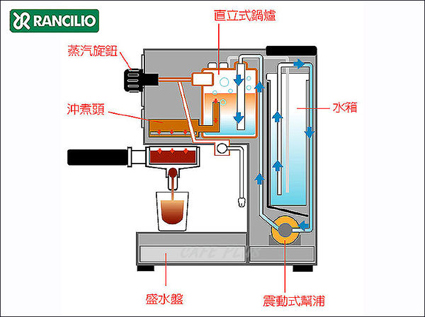
Nicknamed “Little S,” the Rancilio Silvia is a classic entry-level machine beloved by newbies. Made in Italy, it delivers solid espresso despite lacking a pressure gauge or hot water spout. There’s no PID for temperature control, and it uses a vibration pump, but it’s durable and widely available for ¥4,000–5,000. Beware of cheap knockoffs—always buy from a trusted seller.
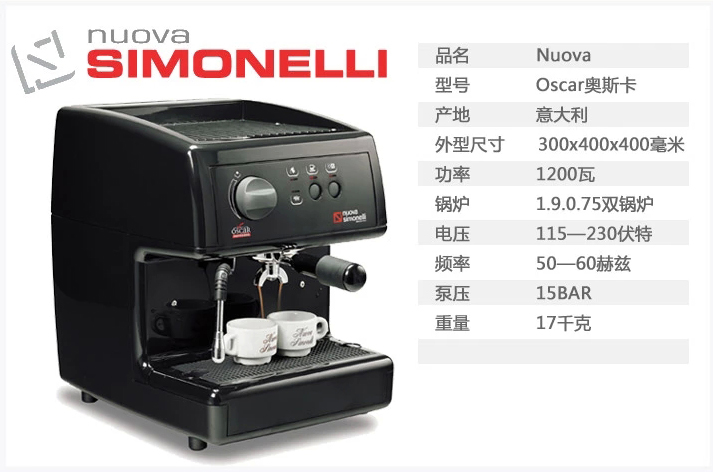
Nuova Simonelli Oscar – Steam Powerhouse
Another Italian-made option, the Oscar is simple but packs a punch with steam pressure nearly matching commercial machines. Like the Silvia, it skips the pressure gauge and hot water tap, but it’s a reliable choice for steaming milk and basic espresso. Priced around ¥5,000–6,000, it’s a step up in steam performance without a big jump in price.
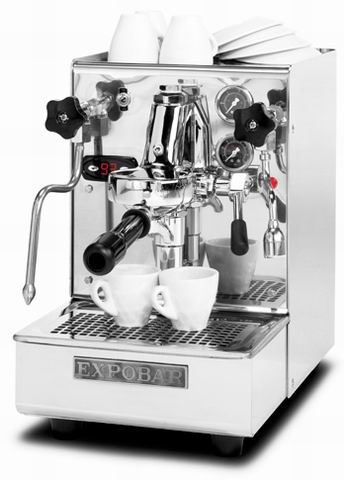
Expobar E61 – The PID-Equipped Favorite
The Expobar E61 is a cult favorite among home baristas. Its retro design, exposed brew head, and full stainless steel body give it a rugged, industrial look. The standout feature? A commercial-grade PID temperature controller (in the dual-boiler version) for precise brewing temps. The entry-level model with a water tank costs ¥7,000–9,000; the plumbed-in rotary pump version runs ¥9,000–12,000. The E61 group head itself is a legendary design, first introduced by Faema in 1961.
Nuova Simonelli Musica – The Upgrade Pick
Often called an Oscar upgrade, the Musica adds a digital display, pressure gauge, and hot water outlet. It retains the strong steam wand and sleek design, with a price tag of ¥11,000–15,000. It’s a solid choice for those who want more control and a more professional feel without jumping to a full commercial setup.
Why These Machines Stand Out
The key differences between these models come down to pressure stability, temperature control, and features. The Silvia and Oscar are great for learning the basics, while the E61 and Musica offer advanced controls for dialing in espresso like a pro. Vibration pumps are common in budget machines, but rotary pumps (like those in the plumbed E61) provide smoother, more consistent pressure. A PID helps maintain the ideal brewing temperature, which is critical for extracting the best flavors from your coffee.
Frequently Asked Questions
Do I need a machine with a pressure gauge?
A pressure gauge isn’t essential for making espresso, but it’s very helpful for dialing in your shots. Machines like the Rancilio Silvia and Nuova Simonelli Oscar lack one, making it harder to troubleshoot under- or over-extracted coffee. If you’re serious about consistency, consider the Expobar E61 or Musica, which include pressure readings.
What’s the difference between a vibration pump and a rotary pump?
Vibration pumps (used in most home machines) are cheaper and simpler but can produce inconsistent pressure. Rotary pumps (found in commercial and some high-end home machines, like the plumbed E61) deliver smoother, more stable pressure and are better suited for consistent extractions. They also allow for continuous operation without the pulsing noise of vibration pumps.
Is a PID necessary for home espresso?
A PID (Proportional-Integral-Derivative) controller helps maintain a stable brewing temperature, which is crucial for balanced espresso. Machines like the Expobar E61’s dual-boiler version include a PID, while others (like the Silvia) may require an aftermarket upgrade. Without a PID, temperature fluctuations can lead to inconsistent shots.
Can I make milk drinks with these machines?
Yes—all the recommended machines have powerful steam wands, though the strength varies. The Nuova Simonelli Oscar and Musica have particularly strong steam pressure, making them great for frothing milk. The Silvia’s steam wand is decent but may require more practice to master.
Is the Expobar E61 worth the higher price?
If you value temperature stability and durability, the E61 (especially the dual-boiler PID version) is worth the investment. The exposed group head and classic design are bonuses, but the real advantage is precise brewing control, which elevates your espresso quality significantly.
Recommended FrontStreet Beans for Home Espresso
For your home espresso setup, try FrontStreet Coffee’s Ethiopia Humbera SOE for bright berry and floral notes, or the Brazil Queen Manor SOE for rich chocolate and nutty depth. Both shine when brewed as straight espresso or in milk drinks. Freshly roasted within 5 days · Orders placed before 17:00 ship the same day · Next-day delivery across most of Guangdong Province.
FrontStreet Coffee is a long-established specialty coffee roaster in Guangzhou China, selling freshly roasted beans from its own farm in Yunnan as well as dozens of carefully selected single-origin beans from around the world for both pour-over and espresso. The products deliver consistently excellent quality and great value, with shipping within 24 hours. Guangzhou's FrontStreet Coffee shop is recommended by many coffee lovers, and the beans are now available online at the Tmall 。
Important Notice :
前街咖啡 FrontStreet Coffee has moved to new addredd:
FrontStreet Coffee Address: 315,Donghua East Road,GuangZhou
Tel:020 38364473