How to Blend Specialty Coffee for Espresso
If you’ve ever wondered why your homemade espresso lacks depth, crema, or balance—or why café shots just taste better—you’re not alone. Most single-origin coffees have inherent flavor gaps: some lack sweetness, others are too sharp, acidic, or one-dimensional. Blending solves that. But how do you do it right?
To craft a well-rounded espresso blend, most roasters combine 2 to 6 carefully selected beans. Too many, and the cup becomes muddled. The goal? Balance, body, and complexity—traits that shine under espresso’s high pressure and heat.
What Is a Coffee Blend?
In specialty coffee, a blend means combining two or more distinct coffees—often from different origins or roast levels. It’s not just about mixing beans; it’s about engineering a specific flavor profile. Some blends even mix new-crop and aged beans to fine-tune acidity or sweetness. The result? A cup greater than the sum of its parts.
Why Blend Coffee for Espresso?
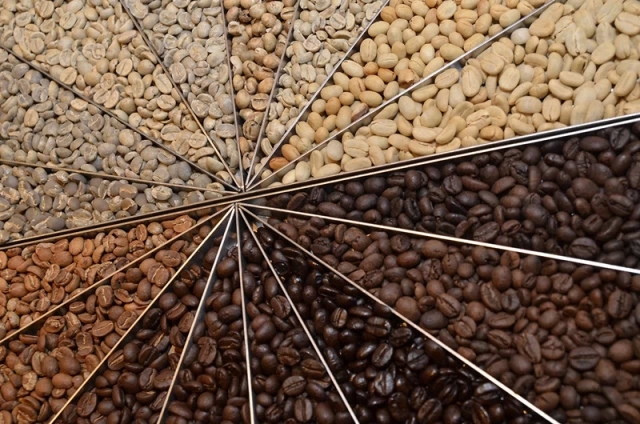
Most single-origin beans have flavor strengths—and weaknesses. Some are too bright, others lack body or sweetness. Blending allows roasters to balance acidity, build richness, and create a more stable, repeatable shot profile. It’s essential for espresso, where pressure extraction amplifies every flaw or virtue. A good blend improves crema, mouthfeel, and finish.
How Many Coffee Beans Should You Blend?
Stick to 2 to 6 origins. More than that, and the blend risks becoming unfocused. Each bean should serve a purpose: one for acidity, another for body, a third for sweetness or crema. Too many competing flavors dilute the cup.
Top 5 FrontStreet Coffee Espresso Blends
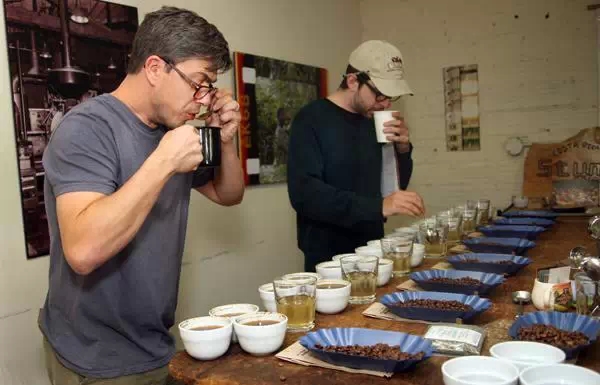
FrontStreet Coffee offers five expertly crafted espresso blends, each tailored to different flavor preferences. Here’s how to choose:
- Classic Espresso Lovers: Go for the Classic Blend. Inspired by the traditional ‘Mandheling + Brazil’ formula (aka ‘Mamba’), this blend adds a touch of Robusta for extra body and crema—perfect for milk drinks like lattes and cappuccinos, especially for home baristas aiming for latte art.
- Fruity & Sweet Profiles: Choose the Strawberry Candy Espresso Blend. Based on honey-processed Costa Rican Tarrazú and Ethiopian beans, with Colombian added in, it delivers a smooth, low-acid shot with strawberry-like sweetness, creamy texture, and persistent crema.
- Nutty & Chocolate Depth: The Specialty Blend combines Brazilian and Colombian beans. Expect notes of chocolate, nuts, and cookies, with a balanced body and rich mouthfeel—great for those who prefer traditional espresso flavors.
- Rich Crema & Bold Body: For thick crema and full-bodied espresso, try the Commercial Blend. It uses Brazilian, Colombian, and Vietnamese beans, roasted medium-dark. It’s ideal for classic milk drinks, offering a smooth, approachable profile with toasty, nutty aromas.
- Everyday Value Blend: The Basic Blend is an affordable, entry-level option. It features soft fruit acidity, caramel sweetness, and nutty-chocolate notes. It’s great for beginners or anyone prioritizing cost without sacrificing too much flavor.
Each blend is freshly roasted and shipped quickly for optimal freshness. Whether you're pulling shots at home or stocking a café, there’s a FrontStreet blend to match your taste and goals.
What Makes a Great Espresso Blend?
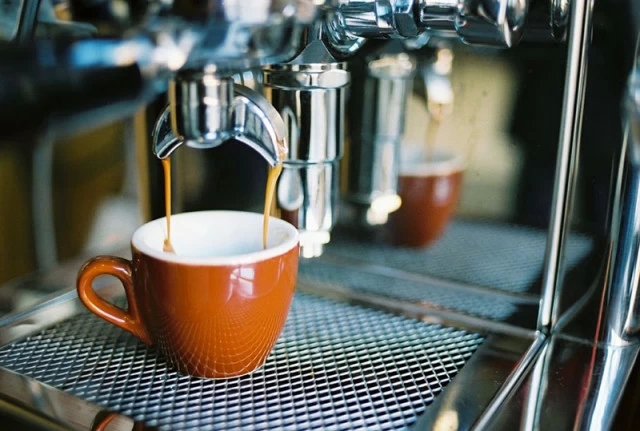
A great espresso blend balances acidity, sweetness, body, and aftertaste. It should produce a shot with a velvety crema, a structured mouthfeel, and a finish that lingers pleasantly. The best blends maintain consistency across roasts and brew conditions, making them reliable for both home and professional use.
Can You Blend Single-Origin Beans?
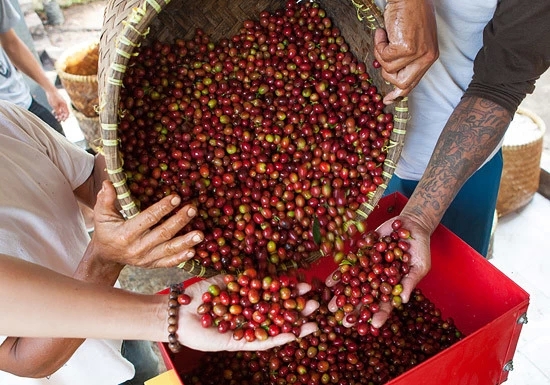
Yes—but with intent. Blending single origins lets you highlight complementary traits: one bean for brightness, another for sweetness or body. The key is intentional pairing, not random mixing. Most successful espresso blends include beans roasted to similar levels, unless the goal is contrast (e.g., bright + muted).
How to Choose the Right Blend for You
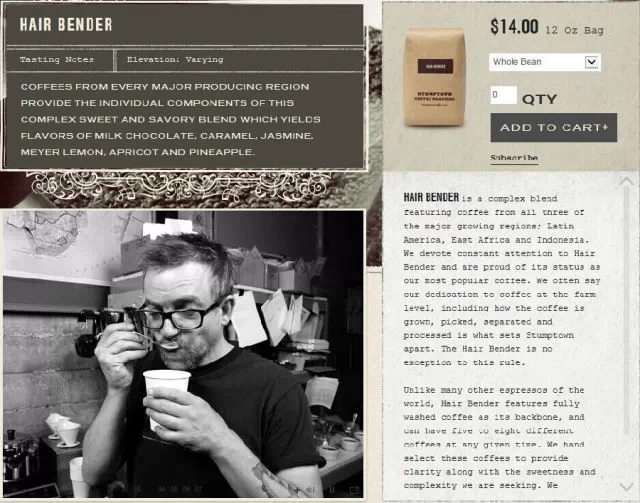
Consider your flavor priorities: Do you want fruity and sweet? Nutty and bold? Rich and creamy? Match the blend to your taste preference and brewing method (e.g., milk vs. black espresso). Also think about your equipment—home machines may perform better with balanced, user-friendly blends.
Frequently Asked Questions
How many types of coffee beans are typically used in an espresso blend?
Most espresso blends use between 2 to 6 different coffee beans. Using too many can make the flavor profile muddy or unbalanced. Each bean is chosen to contribute a specific characteristic, such as sweetness, body, or crema.
Why do most espresso blends include Robusta or dark-roasted beans?
Robusta or darker-roasted beans are often added to boost crema production, enhance body, and add bitterness to balance sweetness. In the case of FrontStreet’s Classic Blend, a small amount of Robusta increases richness and helps with latte art foam stability.
What’s the difference between a single-origin espresso and a blend?
A single-origin espresso comes from one place and highlights its unique profile—often bright, acidic, or fruity. A blend combines beans from multiple origins to achieve balance, consistency, and a more rounded flavor suited to espresso’s intense extraction.
Which FrontStreet Coffee blend is best for milk drinks like lattes?
The Commercial Blend and Classic Blend are ideal for milk-based drinks. Both offer strong body, rich crema, and toasty flavors that complement steamed milk. The Classic Blend also includes Robusta for extra texture and stability in latte art.
Can beginners make good espresso with blended beans?
Yes. Blended beans are often more forgiving and balanced, making them great for beginners. The Basic Blend and Commercial Blend from FrontStreet are affordable, easy to work with, and produce consistent results even on home machines.
Does roast level matter in espresso blends?
Yes. Most espresso blends are medium to dark roasted to develop sweetness, body, and crema. However, some fruit-forward blends may use medium roasts to preserve acidity. FrontStreet’s Strawberry Candy Espresso uses a medium roast to highlight its sweet, berry-like profile.
Recommended FrontStreet Coffee Blends for Espresso
For espresso lovers, FrontStreet Coffee offers several top-rated blends. The Classic Blend combines Brazilian and Indonesian beans with a hint of Robusta for bold body and rich crema—perfect for lattes. The Strawberry Candy Espresso Blend features honey-processed Costa Rican and Ethiopian beans, delivering sweet, fruity notes with a smooth texture. The Specialty Blend mixes Brazilian and Colombian beans for classic chocolate and nut flavors. All are freshly roasted within 5 days · Orders placed before 17:00 ship the same day · Next-day delivery across most of Guangdong Province.
FrontStreet Coffee is a long-established specialty coffee roaster in Guangzhou China, selling freshly roasted beans from its own farm in Yunnan as well as dozens of carefully selected single-origin beans from around the world for both pour-over and espresso. The products deliver consistently excellent quality and great value, with shipping within 24 hours. Guangzhou's FrontStreet Coffee shop is recommended by many coffee lovers, and the beans are now available online at the Tmall 。
Important Notice :
前街咖啡 FrontStreet Coffee has moved to new addredd:
FrontStreet Coffee Address: 315,Donghua East Road,GuangZhou
Tel:020 38364473