Common Espresso Problems and How to Fix Them
If your espresso tastes sour, bitter, or lacks crema—or if water sprays everywhere or flows unevenly—you’re not alone. These are the most common struggles for home and shop baristas, and nearly all stem from a few key variables: coffee freshness, grind size, machine settings, and technique. Here’s how to diagnose and fix them systematically.
The most common espresso issues—like weak crema, bitter shots, or uneven flow—can usually be solved by checking four things: using coffee roasted within 3 weeks, grinding to the right fineness, ensuring proper machine temperature (9 bar boiler pressure, 1–1.5 bar steam pressure), and maintaining consistent tamping and basket prep. Address these, and most problems disappear.
1. Coffee Freshness and Roast Date
The single biggest factor in espresso quality is freshness. Coffee loses its desirable traits—and gains unwanted ones—after about 3 weeks from roast date. Beyond that window, crema becomes unstable, flavors turn stale, and extraction becomes uneven. For best results, always check the roast date on your bag and use beans within 21 days.
2. Flow Rate and Grind Size
Espresso extraction depends heavily on flow speed, which is directly controlled by grind size. A finer grind slows water flow, allowing more contact time and fuller extraction; a coarser grind speeds up flow, often leading to under-extracted, sour shots. If your shot pulls too slowly (watery, oily, overly intense), grind coarser. If it runs too fast (thin, weak, sour), grind finer. Remember: grind size adjustments are the fastest way to fix flow-related issues.
3. Crema Issues: Bubbles, Absence, or Instability
Problem: Large, short-lived bubbles
Freshly roasted coffee releases CO₂, which can create big but unstable crema bubbles. Let the beans rest for 5–10 days post-roast to stabilize. However, don’t wait beyond 21 days—the coffee will lose freshness and crema quality will decline. During this period, flavor also evolves, so aim to use beans within the first 2–3 weeks for balanced crema and taste.
Problem: No crema at all
No crema usually means either the coffee is stale (past 21 days), improperly stored (avoid heat, sunlight, or refrigeration), or the shot isn’t extracting correctly. Check that your beans are fresh, stored dry and cool, and that your grind, dose, and tamp are correct. Also, ensure your cup is clean—residue at the bottom can disrupt crema formation. For machines like Synesso or Expobar, verify brew water temperature; a misplaced “Black Element” switch (common on Synesso) can cause incorrect heating.
4. Uneven Water Flow (Channeling)
Ideally, pressurized water should flow evenly through the coffee puck. If it doesn’t—resulting in visible “tiger striping” or uneven extraction—the issue is channeling. This happens when water finds the path of least resistance, often due to an uneven puck, wet tamper, inconsistent dose, or tapping the portafilter. To prevent this: measure your dose precisely, tamp with even pressure (avoid tapping), ensure the portafilter is completely dry before dosing, and use a naked portafilter to observe flow patterns during extraction.
5. Flow Color Changes Too Quickly
Espresso typically changes color in three phases during extraction. If the transition from dark to light happens too fast, the shot will taste thin, bitter, and earthy. Causes include: stale coffee (again, check the roast date), overly fast flow (grind too coarse or dose too low), or uneven extraction (channeling). Check your grind size, dose, and tamp first. Also verify water temperature—if it’s too high, extraction speeds up and bitterness increases.
6. Bitter or Harsh Taste
Bitter shots often result from over-extraction, which can be caused by a grind that’s too fine, a slow flow rate, or water that’s too hot. Start by confirming your coffee is fresh (within 3 weeks), then check your grind size (aim for a balanced medium-fine), and ensure your machine’s brew temperature is stable. Overly long extraction times or excessively fine grinds push bitter compounds into the cup. Adjust grind coarser or reduce brew time if needed.
7. Sour or Underdeveloped Taste
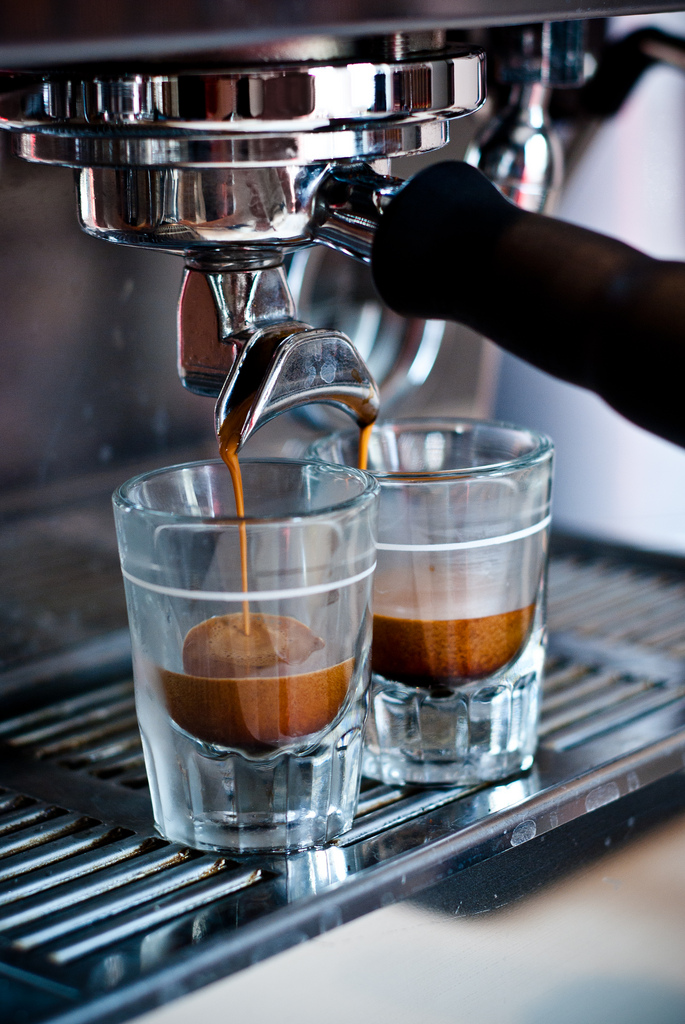
Sour shots usually mean under-extraction, often due to coffee that hasn’t degassed properly (use beans within 3 weeks), a grind that’s too coarse, or a fast flow rate. Let freshly roasted coffee sit for a few days to allow gases to dissipate—but don’t exceed 3 weeks. Also check your water temperature; if it’s too low, extraction suffers and acidity dominates. Adjust grind finer or increase brew time to improve balance.
8. Machine and Equipment Factors
Your espresso quality is also determined by your machine’s stability. Single-boiler machines often suffer from temperature fluctuations, leading to inconsistent shots. Multi-boiler or heat-exchange machines maintain more stable temperatures, which is critical for repeatable espresso. Also, always use a calibrated scale, a consistent dose, and a clean, well-maintained grinder and portafilter. Pressure gauges are useful, but only when checked during active brewing—not idle periods.
Frequently Asked Questions
How long after roasting should I use coffee for espresso?
For the best crema and flavor balance, use coffee within 2–3 weeks of the roast date. After 3 weeks, the coffee loses body and crema becomes unstable; past 21 days, it’s considered stale and may taste sour or flat.
Why is my espresso crema disappearing quickly or not forming at all?
Crema issues often stem from stale coffee (over 21 days old), poor storage (heat, light, or fridge), or incorrect machine settings. For machines like Synesso, check that the “Black Element” switch is correctly positioned. Also, ensure your portafilter and cup are clean and dry before brewing.
What causes uneven espresso flow or channeling?
Channeling happens when water finds gaps in the puck, often due to uneven tamping, a wet tamper, inconsistent dose, or tapping the portafilter. To fix it: measure your dose accurately, tamp evenly without tapping, and use a naked portafilter to observe and adjust flow patterns.
Why does my espresso taste bitter or overly harsh?
Bitterness usually results from over-extraction, caused by a grind that’s too fine, slow flow, or water that’s too hot. Check your grind size (aim for medium-fine), ensure proper dose and tamp, and verify your machine’s brew temperature is stable.
Why does my espresso taste sour or weak?
Sourness often means under-extraction, from a grind that’s too coarse, fast flow, or coffee that hasn’t degassed properly. Let beans rest 5–10 days post-roast, but use them within 3 weeks. Also check grind size (go finer) and water temperature (increase slightly if needed).
Does machine type affect espresso quality?
Yes. Multi-boiler or heat-exchange machines maintain stable temperatures, crucial for consistent shots. Single-boiler machines often fluctuate in temperature, leading to uneven extractions and flavor inconsistency.
Recommended FrontStreet Beans for Espresso
For reliable espresso, try FrontStreet Coffee’s Classic Blend (traditional balance with nuts and chocolate) or Specialty Blend (brighter complexity), both designed for milk drinks and straight shots. The Commercial Blend offers a bold, crowd-pleasing profile ideal for high-volume shops. All three are roasted for espresso extraction and develop rich crema when used fresh. Freshly roasted within 5 days · Orders placed before 17:00 ship the same day · Next-day delivery across most of Guangdong Province.
FrontStreet Coffee is a long-established specialty coffee roaster in Guangzhou China, selling freshly roasted beans from its own farm in Yunnan as well as dozens of carefully selected single-origin beans from around the world for both pour-over and espresso. The products deliver consistently excellent quality and great value, with shipping within 24 hours. Guangzhou's FrontStreet Coffee shop is recommended by many coffee lovers, and the beans are now available online at the Tmall 。
Important Notice :
前街咖啡 FrontStreet Coffee has moved to new addredd:
FrontStreet Coffee Address: 315,Donghua East Road,GuangZhou
Tel:020 38364473