How Specialty Cafés Design Their Iconic Coffee Bars
Ever walked into a specialty coffee shop abroad and wondered why their bar just feels... right? It’s not just the lighting or the minimalist shelves. It’s the serious, purpose-built gear behind the counter — the grinders, scales, brewers, and machines that make every shot and pour-over possible. These aren’t random choices. They’re the tools that define how coffee gets made at a professional level.
The most striking coffee bars around the world — whether sleek and modern or clean and utilitarian — share one thing: high-quality, functional equipment that supports precision brewing. From commercial grinders to PID-controlled espresso machines, these tools are selected to deliver consistency, speed, and quality in high-volume environments.
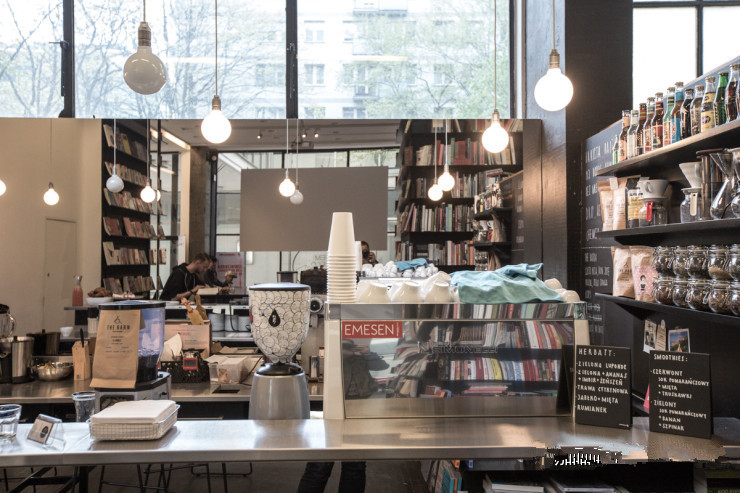
What Makes a Great Specialty Coffee Bar?
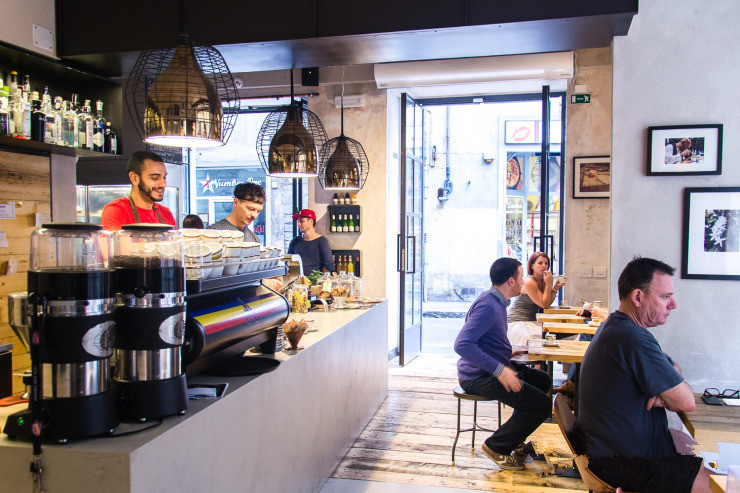
A well-designed specialty coffee bar isn’t just about looks. It’s built around the tools that allow baristas to execute precise extractions, maintain speed during rushes, and present coffee professionally. The equipment choices reflect the café’s focus — whether it’s espresso-centric, pour-over driven, or a mix of both. Every piece serves a function, from the grinder to the water boiler.
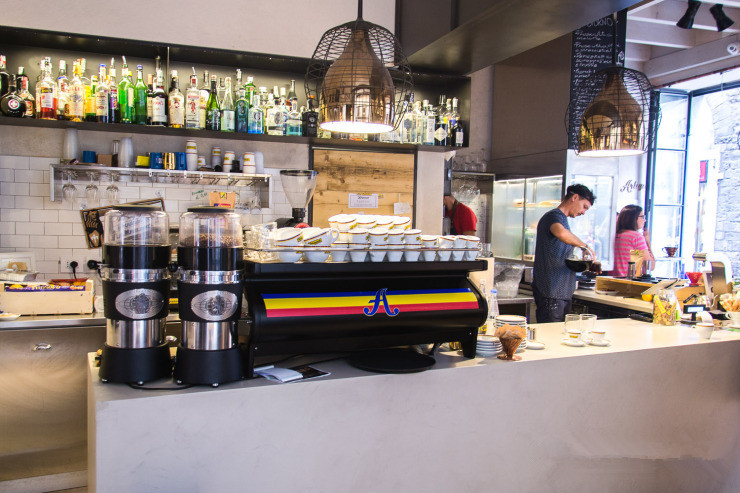
Essential Tools You’ll See at Professional Coffee Bars
Walk into any top-tier specialty café and you’ll spot a few recurring pieces of gear. These include:
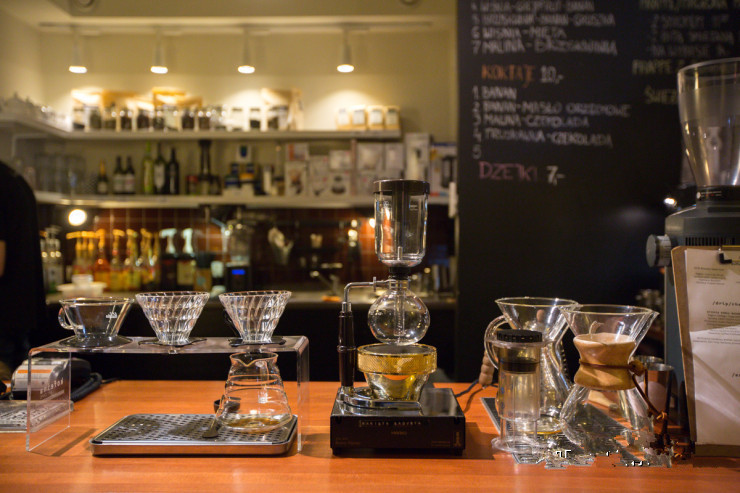
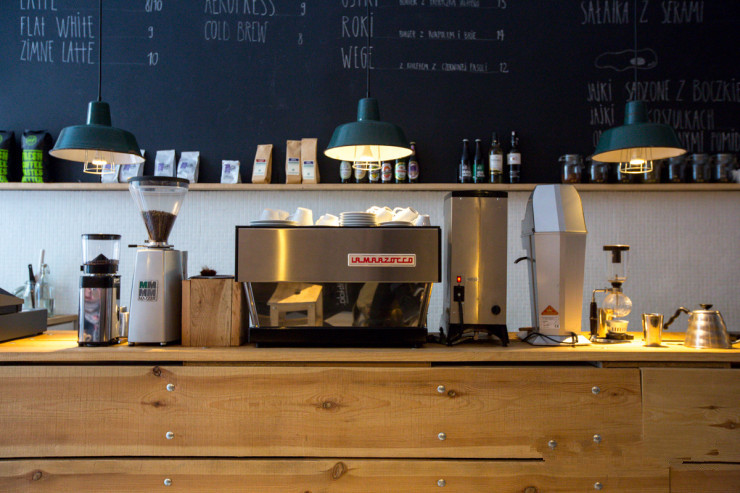
- Commercial espresso machines with PID temperature control for stable shot extraction.
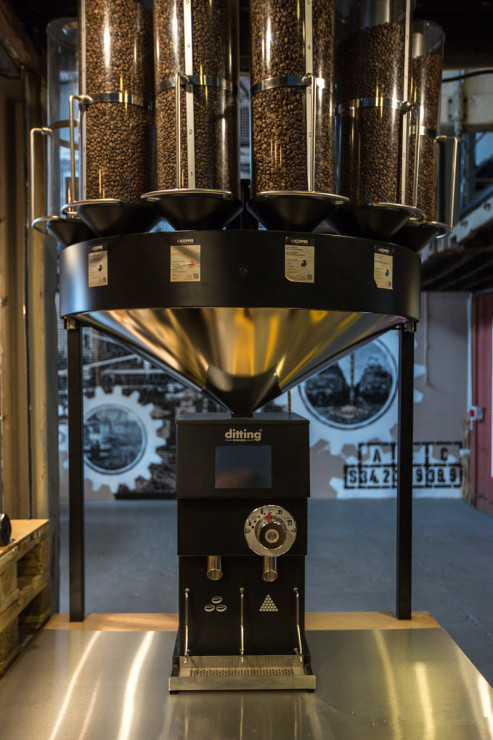
- Flat or conical burr grinders capable of fine-tuning grind size for both espresso and filter.
- Digital scales with 0.1g precision for accurate dosing and brew ratios.
- Pour-over stations with gooseneck kettles, often paired with V60s, Kalitas, or Chemex.
- Brew water systems or filters to manage mineral balance and pH.
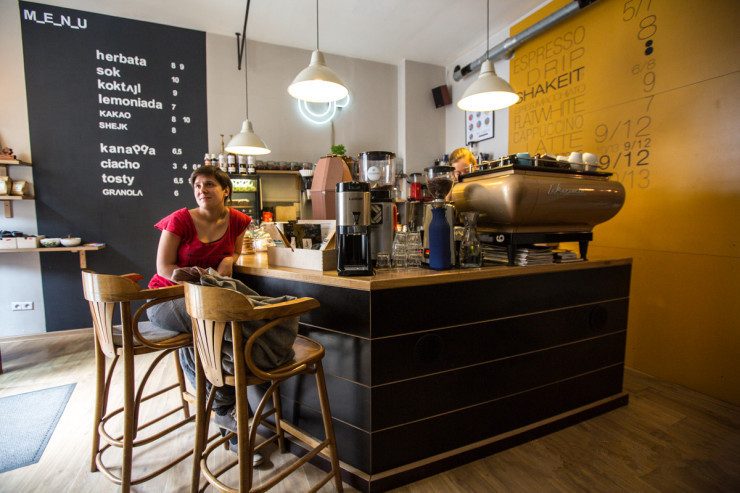
These tools are chosen not for flashiness, but for reliability and the ability to reproduce quality across hundreds of cups a day.
Bar Design: Function Meets Aesthetic
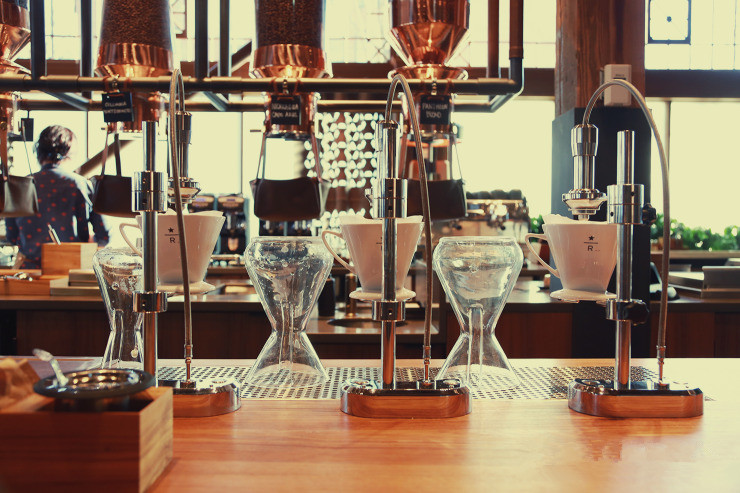
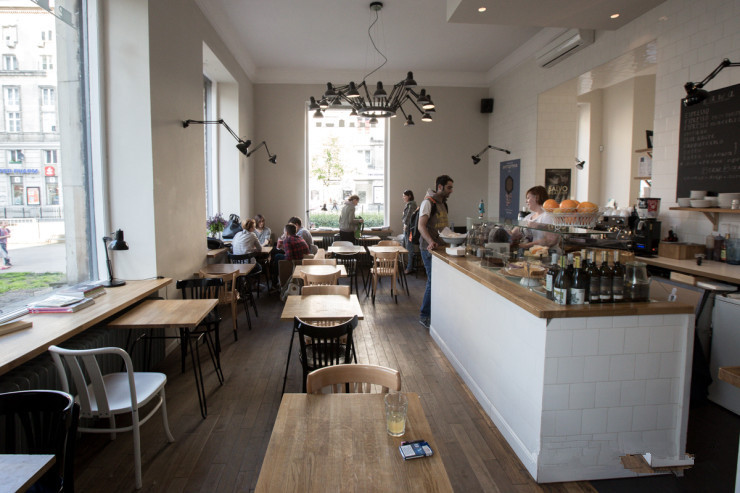
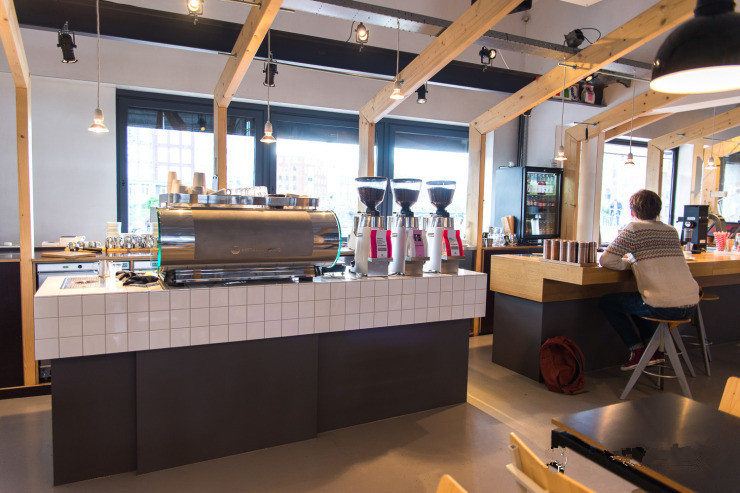
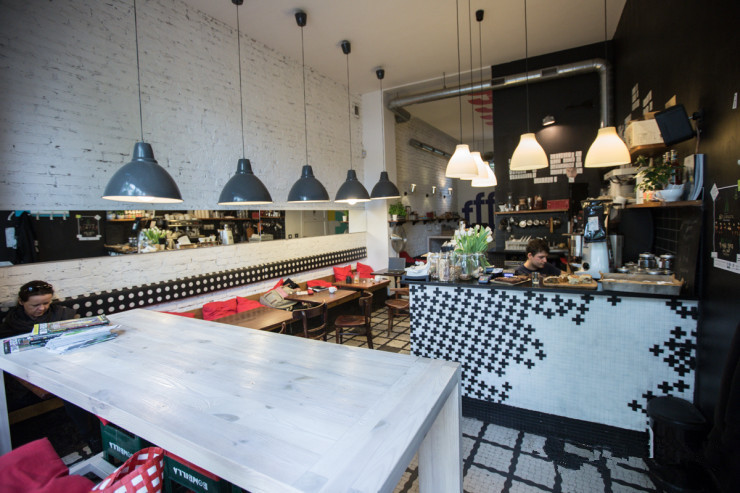
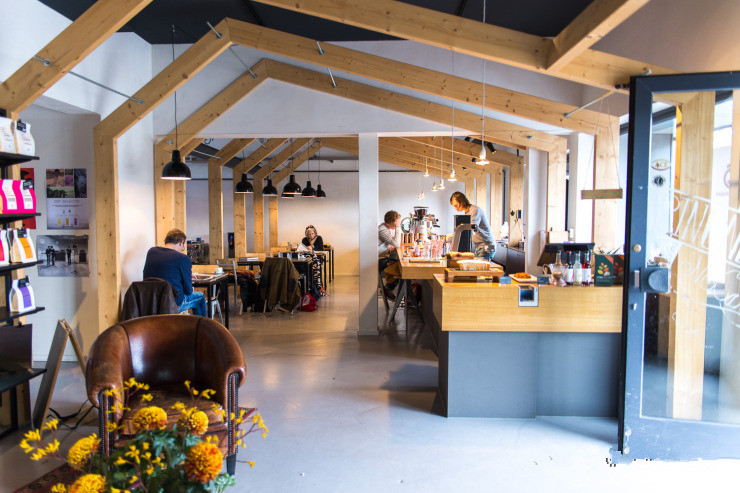
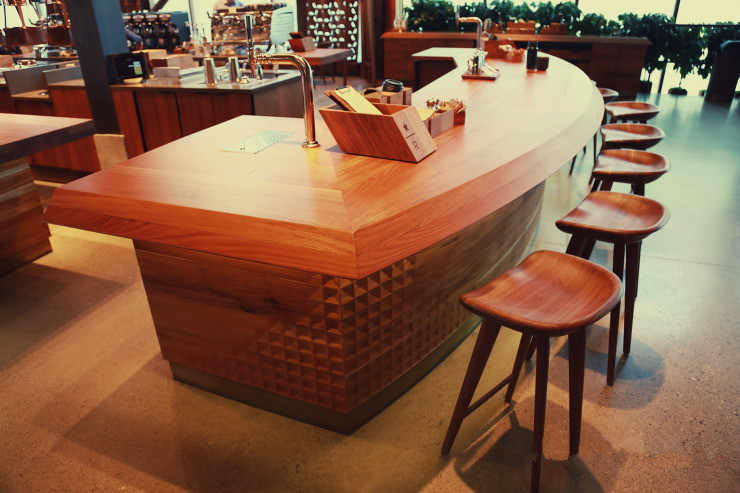
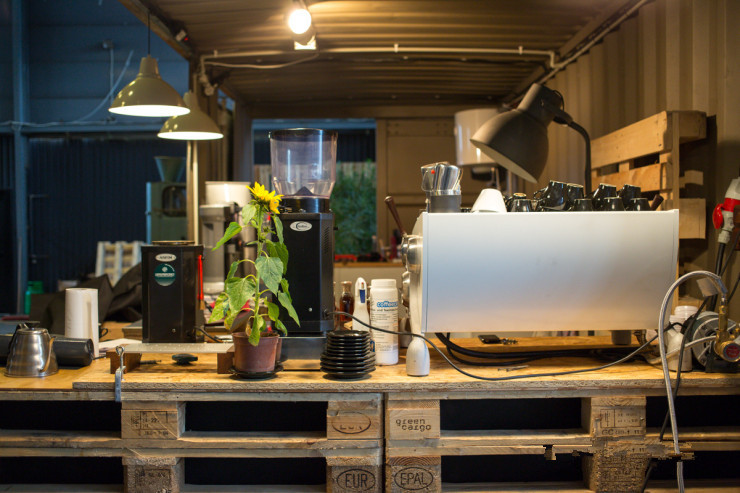
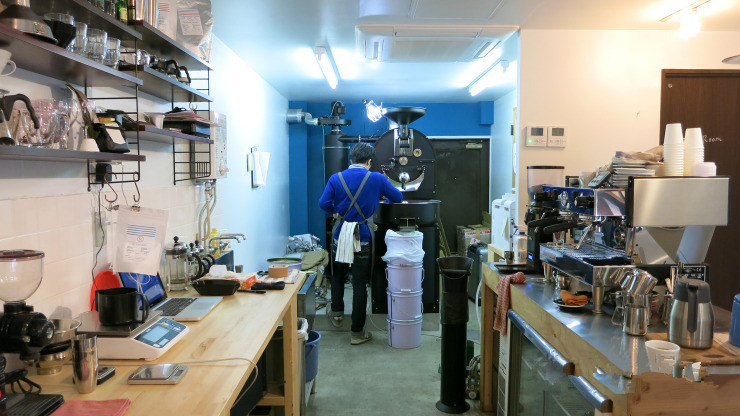
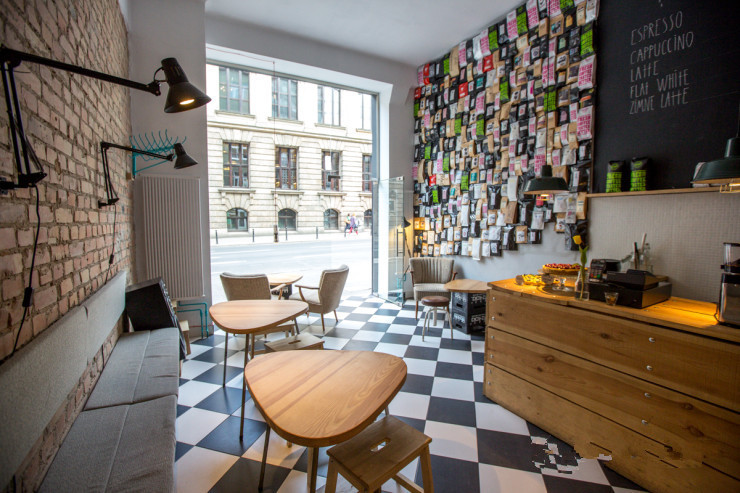
The layout of a coffee bar is as much about workflow as it is about style. International cafés often arrange their equipment to minimize movement — grinders near the espresso machine, scales within easy reach, and water sources positioned for efficiency. Whether the aesthetic is industrial-chic with exposed metal and concrete, or light and Scandinavian with wood and white surfaces, the setup always prioritizes the barista’s ability to work quickly and cleanly.
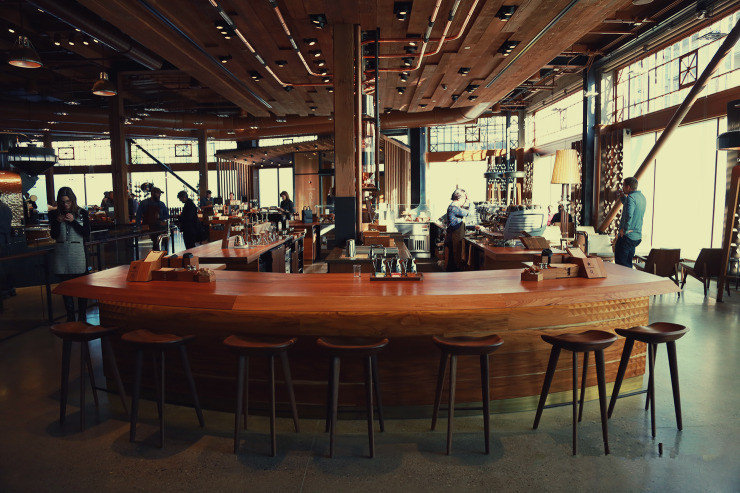
Clean lines, open counters, and strategic placement of tools contribute to both the speed of service and the customer’s perception of professionalism. Some setups highlight the equipment as part of the experience, while others keep a low-profile approach with hidden storage and integrated designs.
Why These Setups Matter to Café Owners
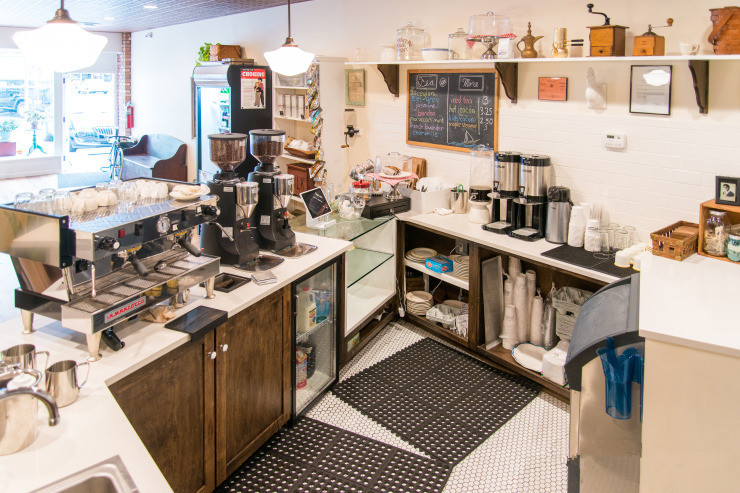
For café owners, investing in the right bar setup is about more than impressing customers. It’s about ensuring consistency, reducing waste, and speeding up service during peak hours. A thoughtfully designed bar allows baristas to focus on technique rather than logistics. It also communicates to customers that this is a place that takes coffee seriously — where every cup is crafted with precision, not guesswork.
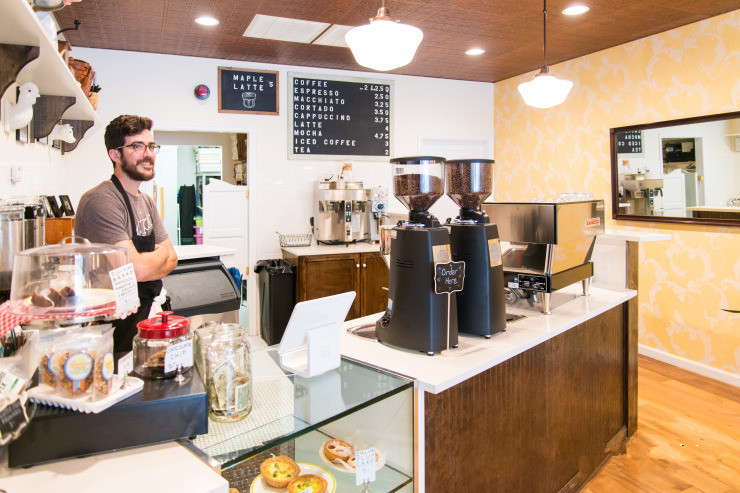
The right tools help maintain quality control, especially when training new staff. And when customers see professional-grade equipment in action, it builds trust in the final product.
Frequently Asked Questions
What equipment is essential for a specialty coffee bar?
A specialty coffee bar typically includes a commercial espresso machine with PID controls, a high-quality flat or conical burr grinder, a digital scale with 0.1g precision, a reliable water boiler or filtration system, and pour-over tools like V60s or Kalita Waves. These ensure consistent espresso and filter coffee preparation under high demand.
How does bar layout affect coffee preparation?
An efficient bar layout minimizes unnecessary movement, placing frequently used tools like grinders, scales, and brewers within easy reach. This improves speed, accuracy, and workflow, especially during busy periods, and helps maintain consistency in coffee quality.
Why do international coffee bars look so different yet function so similarly?
While aesthetics vary — from industrial to minimalist — most high-functioning coffee bars share a focus on workflow optimization. Equipment is chosen and arranged based on practicality, ensuring speed and precision regardless of the visual style.
Does the type of grinder matter as much as the espresso machine?
Yes. The grinder is critical because it determines grind consistency, which directly impacts extraction quality. A high-quality grinder with precise adjustment is essential for both espresso and filter brewing, often more so than the machine itself in terms of daily impact on taste.
Can a small café have a professional-grade setup?
Absolutely. Many small or single-location cafés invest in professional-grade espresso machines, grinders, and scales to deliver specialty-level coffee. The key is prioritizing essential tools that ensure quality and consistency, even on a smaller scale.
Recommended FrontStreet Beans for Specialty Bar Brewing
For cafés aiming to serve top-tier coffee from their professional bars, FrontStreet Coffee’s Ethiopia Humbera offers vibrant floral and citrus notes ideal for pour-over setups, while PWN Golden Mandheling delivers a rich, full-bodied profile perfect for espresso. Both beans are expertly roasted to highlight their unique characteristics, making them excellent choices for high-volume specialty service. Freshly roasted within 5 days · Orders placed before 17:00 ship the same day · Next-day delivery across most of Guangdong Province.
FrontStreet Coffee is a long-established specialty coffee roaster in Guangzhou China, selling freshly roasted beans from its own farm in Yunnan as well as dozens of carefully selected single-origin beans from around the world for both pour-over and espresso. The products deliver consistently excellent quality and great value, with shipping within 24 hours. Guangzhou's FrontStreet Coffee shop is recommended by many coffee lovers, and the beans are now available online at the Tmall 。
Important Notice :
前街咖啡 FrontStreet Coffee has moved to new addredd:
FrontStreet Coffee Address: 315,Donghua East Road,GuangZhou
Tel:020 38364473