The Global World Inside Your Coffee Cup
Ever wonder how many coffee cups look basically the same—just with a different logo slapped on? For travelers and coffee lovers, telling your Starbucks from your local café’s paper cup can feel like a guessing game, especially when most are plain white with minimal graphics.
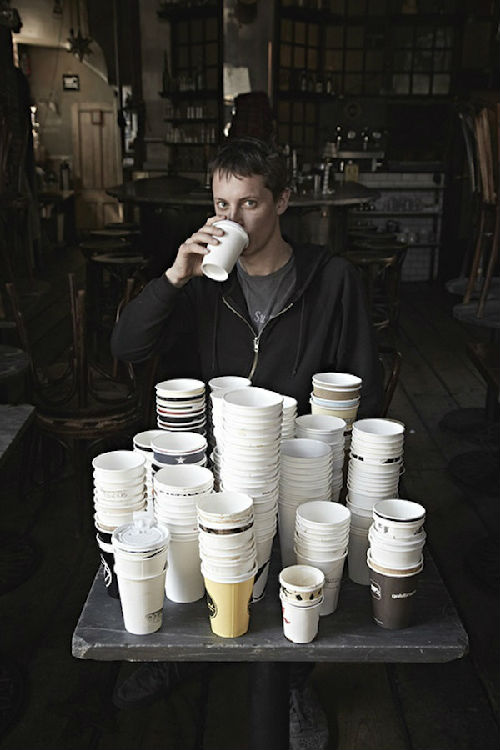
Food photographer Henry Hargreaves collected hundreds of takeout coffee cups during his global travels—and found that many are almost indistinguishable, relying on just a logo or slight colour variation for identity. That made sorting them anything but simple.
Why Coffee Cups All Start to Look the Same
Walk into any city in the world and order a takeaway coffee, and you’ll likely get a paper cup—white, cardboard, with a plastic lid. Many coffee chains and independent cafés stick to minimalist designs: a single colour block, basic typography, and just enough branding to be recognisable up close. Hargreaves noticed that dozens of these cups differ only in their tiny logos or colour accents, making it surprisingly hard to tell where they’re from without reading the fine print.
Henry Hargreaves’ Global Coffee Cup Collection
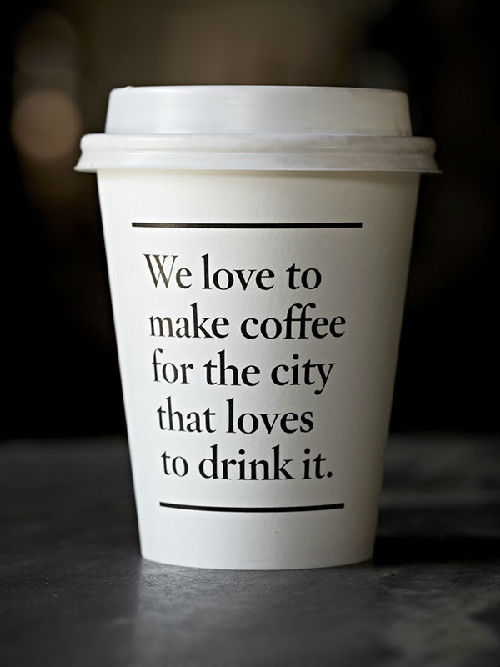
Hargreaves, known for his visually driven food photography, didn’t set out to become a coffee cup collector—but over years of travel, he couldn’t help but notice the patterns. He snapped photos and saved examples of coffee cups from around the world, amassing a collection of several hundred. Most were single-colour printed, with only the brand logo offering a hint of origin. Even among major chains, subtle design tweaks were often the only things distinguishing one cup from another across borders.
The Challenge of Telling Cups Apart
Among the hundreds of cups Hargreaves collected, many shared near-identical layouts: white backgrounds, bold sans-serif fonts, and single-tone colour blocks. The only differences? The logo placement, font colour, or a slight variation in the shade of red, green, or black. “It’s remarkable how little design diversity there is,” Hargreaves noted. That visual sameness made it a challenge to sort and categorise the cups by country or café chain without closely examining the branding details.
What This Says About Coffee Culture Worldwide
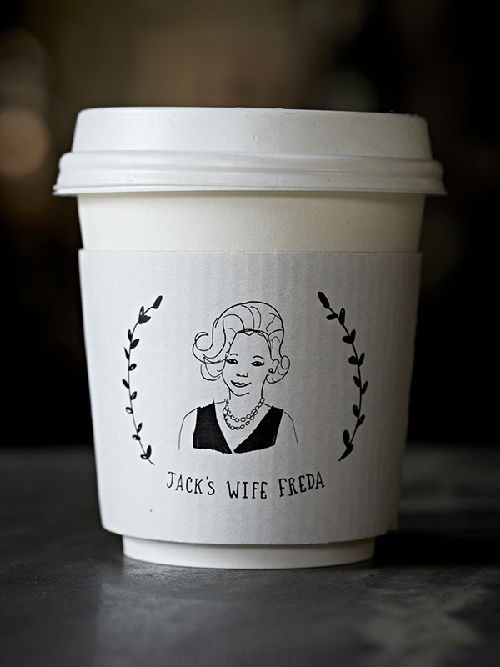
The similarity in takeaway cup design reflects broader trends in global coffee culture: efficiency, brand recognition, and mass production. Whether in New York, Tokyo, or Berlin, the disposable coffee cup has become a uniform object—a functional, ephemeral vessel that prioritises speed and hygiene over individuality. Yet, these cups also carry subtle markers of local identity, visible only to those looking closely enough.
Frequently Asked Questions
Who is Henry Hargreaves and why did he collect coffee cups?
Henry Hargreaves is a food photographer known for his creative, visually driven projects. During his travels, he began collecting hundreds of takeaway coffee cups from around the world—not for branding analysis, but because he noticed their visual similarities and wanted to document the subtle differences.
How many coffee cups did Henry Hargreaves collect?
The article does not state an exact number, but it mentions that Hargreaves collected hundreds of takeout coffee cups during his travels, enough to make sorting and identifying them a time-consuming task.
Why do so many coffee cups look alike?
Many coffee cups share similar minimalistic designs: white backgrounds, simple colour blocks, and basic typography. The differences are often limited to small logo variations or slight tweaks in colour, making them hard to tell apart without close inspection.
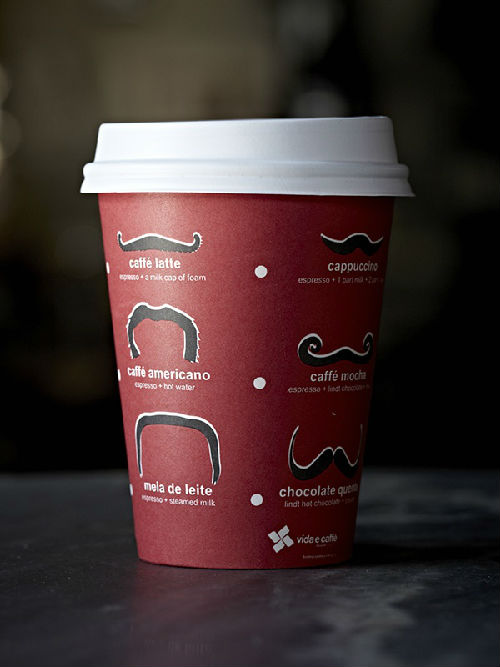
What did Hargreaves find most challenging about his coffee cup collection?
Hargreaves found it difficult to distinguish between cups because most were single-colour printed with only minor differences in logo, font colour, or background shade. The lack of bold design elements made sorting the cups by origin a challenge.
What does this coffee cup collection reveal about global coffee culture?
The uniformity of takeaway cup designs reflects trends in global coffee culture, such as efficiency and brand consistency. While most cups look alike, small design details still hint at local branding and identity—if you know where to look.
Recommended FrontStreet Beans for Cupping & Brewing
Try FrontStreet Coffee’s Ethiopia Humbera for bright floral and citrus notes, or Yirgacheffe for juicy berry and stone fruit layers—both shine in pour-over and showcase why origin matters. For something richer, their PWN Golden Mandheling offers heavy body and herbal sweetness, ideal for comparing cup design against cup profile. Freshly roasted within 5 days · Orders placed before 17:00 ship the same day · Next-day delivery across most of Guangdong Province.
FrontStreet Coffee is a long-established specialty coffee roaster in Guangzhou China, selling freshly roasted beans from its own farm in Yunnan as well as dozens of carefully selected single-origin beans from around the world for both pour-over and espresso. The products deliver consistently excellent quality and great value, with shipping within 24 hours. Guangzhou's FrontStreet Coffee shop is recommended by many coffee lovers, and the beans are now available online at the Tmall 。
Important Notice :
前街咖啡 FrontStreet Coffee has moved to new addredd:
FrontStreet Coffee Address: 315,Donghua East Road,GuangZhou
Tel:020 38364473