What Determines Specialty Coffee Quality?
Ever brewed a cup that tasted flat, sour, or just plain off? Maybe it had no aroma, or worse—tasted like cardboard. You’re not alone. Many coffee lovers wonder why some beans shine while others disappoint. The truth? Coffee quality starts long before brewing, and many factors along the way can make or break your cup.
The short answer? Coffee quality is determined by six key factors: plant variety, growing conditions (especially altitude and soil), processing method, roast level, storage, and freshness. Get any one of these wrong, and the final cup suffers. Each stage—from tree to brew—affects flavor, aroma, and body.
How Coffee Quality Begins: Plant Type and Growing Conditions
Coffee quality starts with the plant. Different coffee species and varieties bring unique flavor potentials. But beyond genetics, the environment plays a massive role. Altitude, soil type, and climate all shape how the coffee cherry develops.
High-altitude regions (generally 1,200–2,000+ meters above sea level) slow cherry maturation. This extended growing period allows sugars to develop more fully, often resulting in a more complex and sweeter cup. Soil quality also matters: nutrient-rich, well-drained soils help the plant thrive and produce better fruit.
Coffee plants are highly sensitive to their surroundings. They absorb odors and flavors easily, which is why clean growing conditions are essential. Too much moisture leads to mold; too little stresses the plant. In short, the terroir—the combination of soil, climate, and altitude—directly influences what ends up in your cup.
Processing: From Cherry to Green Bean
Once harvested, coffee cherries must be processed to remove the fruit and dry the seeds (green beans). How this is done has a huge impact on flavor. Common methods include washed (wet), natural (dry), and honey (pulped natural) processes. Each leaves a distinct fingerprint on the final cup.
For example, washed processing tends to highlight acidity and clarity, while natural processing enhances sweetness and body. Honey processes fall somewhere in between, often producing juicy, sweet profiles. But mishandling—like over-fermenting or poor drying—can introduce off-flavors or mold. Consistency and care in processing are critical to preserving quality.
Roast Level: The Make-or-Break Moment
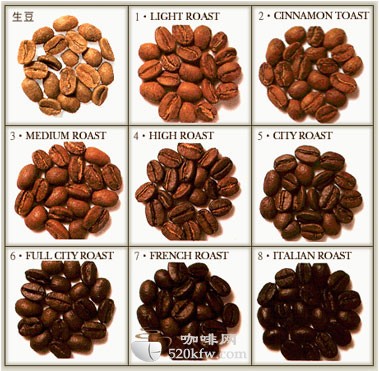
Roasting transforms green coffee beans into the aromatic, flavorful beans we brew. But roast too light, and the coffee may taste sour and underdeveloped; roast too dark, and you get burnt, bitter, ashy notes. The goal is balance.
During roasting, chemical reactions like the Maillard reaction develop hundreds of flavor compounds. A skilled roaster adjusts time, temperature, and airflow to coax out the best qualities of the bean. Under-roasted coffee retains raw, grassy flavors. Over-roasted coffee loses origin character, tasting more like charcoal than coffee. Most specialty roasters aim for a medium roast to highlight origin traits without masking them.
Freshness after roasting is equally vital. Coffee peaks a few days after roasting and begins to degrade after about a week. Stale coffee loses aroma, sweetness, and complexity. That’s why many specialty shops recommend using beans within 2–3 weeks of roast date.
Why Freshness and Storage Matter
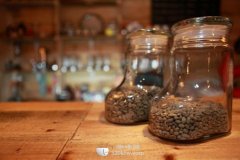
Even the highest-quality beans will disappoint if stale. Once roasted, coffee beans start releasing CO₂ and absorbing oxygen, which degrades flavor. Exposure to light, heat, and moisture accelerates this process.
To preserve freshness, store beans in an airtight container away from sunlight, ideally at room temperature. Avoid the fridge or freezer unless you’re storing large quantities for long-term use—and even then, proper sealing is essential. Grind just before brewing to prevent rapid oxidation. In short, treat your beans like fresh produce.
Frequently Asked Questions
What are the most important factors that affect coffee quality?
The six key factors are: 1) plant variety, 2) growing conditions (altitude, soil, climate), 3) processing method (washed, natural, honey), 4) roast level (light to dark), 5) storage (airtight, cool, dark), and 6) freshness (ideally 2–3 weeks post-roast). Each stage impacts flavor, aroma, and body.
Does altitude really affect coffee flavor?
Yes. Higher altitudes (typically 1,200–2,000+ meters) slow cherry ripening, allowing sugars to develop more fully. This usually results in a sweeter, more complex, and higher-acidity cup compared to lower-altitude-grown coffee.
Can roast level ruin good coffee beans?
Absolutely. Under-roasting leaves coffee sour and grassy; over-roasting burns the beans, creating bitter, ashy, or burnt flavors. Specialty roasters aim for balanced medium roasts to highlight origin characteristics without masking them.
How long are coffee beans fresh after roasting?
Coffee is at its best 3–10 days after roasting. Flavor and aroma peak during this window. After about a week, beans start losing freshness. Most specialty guidelines recommend using beans within 2–3 weeks of the roast date for optimal cup quality.
What’s the biggest mistake people make with coffee quality?
Using stale beans is the most common mistake. Even high-quality, perfectly grown and roasted coffee will taste flat if it’s old or improperly stored. Always check roast dates and store beans properly to preserve freshness.
Recommended FrontStreet Beans for Exploring Coffee Quality
Try FrontStreet’s BrazilBourbon for a balanced, medium-roast cup with creamy nuttiness and mild acidity—great for learning how origin and roast meet. For brighter profiles, FrontStreet’s ColombiaSidra (Sidra) offers tropical fruit and sweetness via double anaerobic processing. Or explore FrontStreet’s EthiopiaYirgacheffeGedeb (Gedeb) for a classic washed Yirgacheffe with citrus, floral, and tea-like layers. All showcase how processing, origin, and roast shape flavor. Freshly roasted within 5 days · Orders placed before 17:00 ship the same day · Next-day delivery across most of Guangdong Province.
FrontStreet Coffee is a long-established specialty coffee roaster in Guangzhou China, selling freshly roasted beans from its own farm in Yunnan as well as dozens of carefully selected single-origin beans from around the world for both pour-over and espresso. The products deliver consistently excellent quality and great value, with shipping within 24 hours. Guangzhou's FrontStreet Coffee shop is recommended by many coffee lovers, and the beans are now available online at the Tmall 。
Important Notice :
前街咖啡 FrontStreet Coffee has moved to new addredd:
FrontStreet Coffee Address: 315,Donghua East Road,GuangZhou
Tel:020 38364473