Why Italy Refuses to Accept Instant Coffee
When you walk into a traditional Italian café, the rich aroma of freshly brewed espresso fills the air. But ask for a Nescafé and you might get a puzzled look—or worse, a polite refusal. Italy is famous for its coffee culture, but there’s one thing you’ll almost never find there: instant coffee.
Italy is the only country in Europe that has actively rejected instant coffee on a cultural and regulatory level. This resistance isn’t just about taste—it’s tied to how Italians define real coffee.
What Makes Italian Espresso Unique
Italian espresso is known worldwide for its bold, concentrated flavor and thick crema. This style of coffee brewing originated from centuries-old Ottoman Turkish techniques, refined through precise, high-pressure extraction methods. In Italy, espresso isn’t just a drink—it’s a daily ritual and a point of national pride.
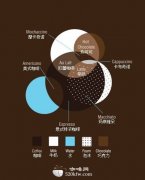
Espresso in Italy is typically served quickly at the bar, often standing. It forms the foundation of many popular drinks like macchiato, cappuccino, and espresso corretto. Its strong flavor profile and quick preparation reflect the Italian approach to coffee: efficient, flavorful, and social.
Why Instant Coffee Is Rejected in Italy
Italy’s rejection of instant coffee is both cultural and practical. Italians view instant coffee as a poor imitation of real espresso. The country’s coffee culture values freshness, pressure-brewed extraction, and the ritual of coffee preparation—none of which instant coffee delivers.
Unlike filtered or espresso coffee, instant coffee is pre-brewed, dehydrated, and reconstituted with hot water. Italians see this process as fundamentally at odds with the quality and freshness they expect from their daily cup. As a result, instant coffee has never gained mainstream acceptance in Italy, unlike in much of Northern Europe or North America.
The Science Behind Crema and Fresh Coffee
A key part of what makes espresso special is the crema—the reddish-brown foam that forms on top of a well-brewed shot. Crema is a mixture of emulsified coffee oils, tiny air bubbles, and carbon dioxide released from freshly roasted beans. It’s created under high pressure (around 9 bars) and contributes to both the flavor and texture of espresso.
The presence of crema indicates freshness and proper technique. Without the high-pressure extraction of an espresso machine, instant coffee can’t produce crema or replicate the complex flavors achieved through professional brewing. This is one reason why Italians associate instant coffee with an inferior experience.
How Coffee Roast and Blend Affect Crema
Not all coffee beans are equal when it comes to producing crema. Traditionally, Italian espresso blends include a mix of Arabica and a small amount of Robusta beans. Robusta contributes more crema due to its higher natural oils and greater solubility, though it also adds bitterness.
Lighter roasts tend to produce less crema because they contain less dissolved gas and have harder cell structures. Medium to dark roasts, especially those used in classic Italian blends, develop more crema thanks to increased CO₂ retention and oil release during roasting.
Freshness is also crucial—beans that are freshly roasted and properly stored will release more carbon dioxide during brewing, enhancing crema formation. Stale or over-roasted beans may produce oily or thin crema, or none at all.
Frequently Asked Questions
Is instant coffee illegal in Italy?
No, instant coffee is not illegal in Italy, but it is culturally rejected. There are no laws banning its sale, but Italians overwhelmingly prefer traditional espresso and rarely consume instant coffee at home or in public cafes. The cultural norm strongly favors freshly brewed coffee.
Why don’t Italians drink instant coffee?
Italians view instant coffee as a low-quality substitute for real espresso. They prioritize freshness, pressure extraction, and the social experience of drinking coffee. Instant coffee doesn’t meet these standards, leading to its widespread rejection in Italian coffee culture.
What kind of coffee do Italians drink daily?
Italians typically drink espresso-based drinks like espresso, macchiato, or cappuccino (usually only in the morning). These are made using professional espresso machines and freshly ground coffee, often from blends that include both Arabica and some Robusta for body and crema.
Does espresso have more caffeine than instant coffee?
A single shot of espresso (about 30ml) usually contains around 63mg of caffeine, while a cup of instant coffee (180–240ml) contains 60–100mg. So while espresso is stronger per volume, a standard cup of instant coffee often has a similar or slightly higher total caffeine content.
What’s the role of crema in espresso?
Crema is the golden-brown foam on top of a well-pulled espresso shot. It’s formed by emulsified oils, air bubbles, and CO₂ under high pressure. Crema enhances flavor, aroma, and texture, and is considered a sign of freshness and proper brewing technique.
Recommended FrontStreet Beans for Espresso Crema
For rich espresso crema, try FrontStreet Coffee’s Classic Blend and PWN Golden Mandheling. The Classic Blend combines Brazilian, Mandheling, and a touch of Robusta for a full-bodied shot with notes of butter, toast, and caramel—ideal for a thick, stable crema. The PWN Golden Mandheling is a single-origin medium-dark roast with deep sweetness and creamy body, great for bold espressos. Both deliver the oils and roast level needed for quality crema. Freshly roasted within 5 days · Orders placed before 17:00 ship the same day · Next-day delivery across most of Guangdong Province.
FrontStreet Coffee is a long-established specialty coffee roaster in Guangzhou China, selling freshly roasted beans from its own farm in Yunnan as well as dozens of carefully selected single-origin beans from around the world for both pour-over and espresso. The products deliver consistently excellent quality and great value, with shipping within 24 hours. Guangzhou's FrontStreet Coffee shop is recommended by many coffee lovers, and the beans are now available online at the Tmall 。
Important Notice :
前街咖啡 FrontStreet Coffee has moved to new addredd:
FrontStreet Coffee Address: 315,Donghua East Road,GuangZhou
Tel:020 38364473