What Are the Most Grown Coffee Bean Varieties?
Ever wondered why nearly every bag of specialty coffee you buy says '100% Arabica'? With over 60 known coffee species, just two—Arabica and Robusta—are planted on a commercial scale. But what makes Arabica so widely grown, and how different are these two types really? These are the practical facts every coffee enthusiast should know.
In short, Arabica accounts for around 70% of the world’s coffee cultivation, while Robusta takes up the remaining 30%. This massive dominance by Arabica isn’t accidental—it’s tied to its flavor, growing needs, and global market demand.
Arabica vs. Robusta: The Big Two
Of the roughly 60 identified coffee species, only Arabica and Robusta are cultivated extensively for global trade. Arabica makes up 70% of planted area, Robusta 30%. That proportion reflects more than just numbers—it shapes everything from how your coffee tastes to how it’s farmed.
What Is Arabica Coffee?
Arabica (Coffea arabica) dominates the specialty coffee scene. Its popularity isn’t just marketing—it comes down to taste, climate sensitivity, and plant biology. Arabica plants have 44 chromosomes, produce fewer beans per tree, and are more delicate overall, but they yield the complex, nuanced flavors specialty roasters and drinkers prize.
Growth & Production Facts
- Chromosome count: 44
- Time to first harvest: 4–5 years after planting
- Lifespan: 20–30 years (depending on environment and care)
- Flowering to fruiting: ~9 months
- Fruit behavior: Ripe cherries fall to the ground (unlike Robusta, which holds them on the branch)
- Natural height: Wild trees grow 7–12 meters tall; cultivated trees are pruned to around 2 meters for easier harvesting
- Root system: Deep-rooted
- Optimal temperature: 15–24°C
- Ideal annual rainfall: 1500–2000mm
- Growth climate: Prefers mild, cool conditions
- Yield per tree: Relatively low
- Global production share: ~70%
- Farming style: Often organic and grown on smallholder private farms
- Harvest method: Mostly hand-picked
- Disease resistance: Low
- Caffeine content: 1.1–1.7%
- Pollination: Self-pollinating (same flower)
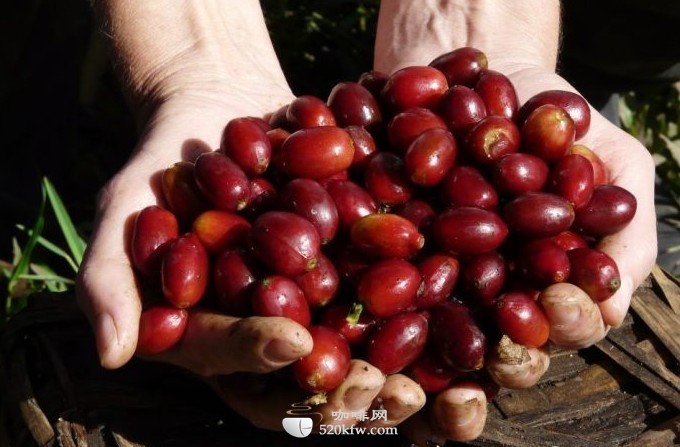
- Cherry color: Red or yellow when ripe
- Bean shape: Long oval and flat
- Bean fissure: S-shaped
- Brew flavor: Bright acidity is typical
- Extraction viscosity: Around 1.2%
How Is Robusta Different?
Robusta (Coffea canephora), the other major cultivated species, accounts for 30% of global coffee planting. It’s hardier, higher in caffeine, and grows in warmer, lower-altitude areas—but it produces a more bitter, earthy cup that’s usually used in instant coffee or espresso blends for crema and body rather than nuanced flavor.
Robusta by Comparison
Though not detailed in depth in the original article, Robusta differs markedly: it’s more disease-resistant, has twice the caffeine of Arabica, grows at lower altitudes (typically 0–800m), prefers hotter temperatures (24–30°C), and has a harsher, more bitter flavor profile. Its cherries tend to cling to the branches when ripe, and the plant is more robust in tough climates. It’s commonly used in espresso blends to add body and crema, but is rarely the focus of single-origin specialty offerings.
Why Arabica Dominates the Market
The 70/30 split between Arabica and Robusta exists because of market demand, flavor expectations, and growing conditions. Arabica’s sweeter, more acidic, and complex cup profile aligns with specialty and filtered coffee preferences in North America, Europe, and increasingly Asia. Its cultivation is more challenging—requiring cooler climates, altitude, and careful farming—but the results justify the effort for quality-focused producers and roasters.
Frequently Asked Questions
What are the two main types of coffee beans grown commercially?
The two primary commercially grown coffee varieties are Arabica and Robusta. Arabica makes up around 70% of the world’s coffee plantings, favored for its flavor complexity, while Robusta accounts for approximately 30%, valued for its hardiness and higher caffeine content.
Why is Arabica more popular than Robusta?
Arabica is more popular among specialty coffee drinkers because it offers a wider range of nuanced flavors, including acidity, sweetness, and aroma. Its cultivation is more demanding, but the cup quality is significantly higher, making it the preferred choice for filtered and single-origin coffees.
What’s the difference in caffeine between Arabica and Robusta?
Arabica beans typically contain 1.1–1.7% caffeine, while Robusta beans have a higher caffeine content, usually around 2.7%. This contributes to Robusta’s stronger, more bitter taste and greater natural pest resistance.
How long does it take for an Arabica coffee plant to produce fruit?
An Arabica coffee plant usually takes 4 to 5 years to bear fruit after planting. Its full lifespan can range from 20 to 30 years, depending on environmental factors and how well it is maintained.
Where does Arabica coffee grow best?
Arabica coffee thrives in mild, cool climates at higher altitudes, ideally between 15–24°C and with annual rainfall of 1500–2000mm. It’s commonly grown in mountainous regions of Central and South America, East Africa, and parts of Asia.
Are most specialty coffees made from Arabica?
Yes, the vast majority of specialty coffees are made from 100% Arabica beans. These beans are valued for their complex flavors, acidity, and aromatic qualities, which define the specialty coffee experience.
Recommended FrontStreet Beans for Pour-Over
For exploring the diversity of Arabica, start with FrontStreet’s BrazilBourbon: a balanced, medium-roast bean with creamy texture, mild acidity, and notes of nuts and caramel. For brighter profiles, try ColombiaSidra, a Sidra lot with double anaerobic processing offering tropical fruits, stone fruit, and a juicy body. Or go Indonesian with Lintong Mandheling, a classic low-acid, full-bodied Mandheling with notes of toast, nut, and spice. All are excellent single-origin options for pour-over. Freshly roasted within 5 days · Orders placed before 17:00 ship the same day · Next-day delivery across most of Guangdong Province.
FrontStreet Coffee is a long-established specialty coffee roaster in Guangzhou China, selling freshly roasted beans from its own farm in Yunnan as well as dozens of carefully selected single-origin beans from around the world for both pour-over and espresso. The products deliver consistently excellent quality and great value, with shipping within 24 hours. Guangzhou's FrontStreet Coffee shop is recommended by many coffee lovers, and the beans are now available online at the Tmall 。
Important Notice :
前街咖啡 FrontStreet Coffee has moved to new addredd:
FrontStreet Coffee Address: 315,Donghua East Road,GuangZhou
Tel:020 38364473