Home Coffee Roasting: How to Roast with a Basic Popcorn Popper or DIY Machine
Roasting coffee at home isn’t just for hobbyists — it’s one of the fastest ways to understand how light, medium, and dark roasts transform green beans into the complex cups you love. But without a high-end machine, can you still get consistent results? Yes, and many start with simple setups that anyone can assemble or buy for under $100.
The core idea is straightforward: apply heat to green coffee beans to trigger chemical reactions — Maillard reactions, caramelization, and first and second cracks — that develop flavor. You’ll need a heat source (like an alcohol or gas burner), a container to hold and tumble the beans (like a small drum or modified popcorn popper), and about 10–12 minutes to go from raw to roasted. Adjust time and heat to control roast level.
What Actually Happens During Coffee Roasting?
Coffee roasting turns hard, green, flavorless beans into aromatic, flavorful brown ones through controlled application of heat. Inside the bean, starches break down into sugars, acids develop, proteins convert, and moisture and CO₂ escape. Most visibly, the outer surface develops a shiny layer of oils during darker roasts. These internal changes define acidity, bitterness, sweetness, mouthfeel, and aroma. Because the process moves fast and small temperature shifts alter the outcome, precise adjustments are key — especially with basic equipment.
Limitations of Basic Home Roasting Equipment
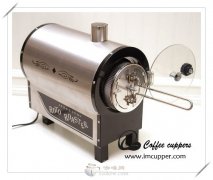
Common beginner-friendly roasters include alcohol-lamp or gas-powered devices (sometimes adapted from popcorn poppers). These tools let you see the beans roast directly and make it easy to remove chaff (the papery skin called silverskin). However, they lack digital controls, making temperature and airflow harder to manage precisely. That means you’ll need to watch the color, listen for cracks, and react quickly. Despite the lack of automation, these methods are proven entry points for exploring roast profiles.
How to Roast Coffee Using a Hand-Crank Drum Roaster
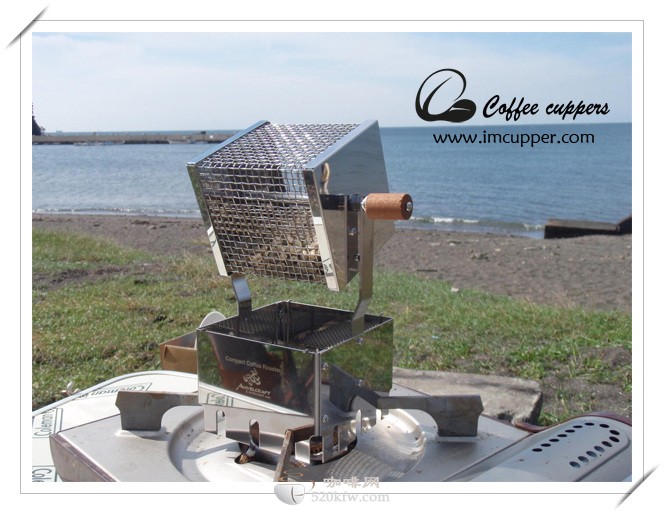
One widely used manual method involves a hand-crank, semi-direct-flame drum roaster. Here’s the step-by-step:
- 1. Load the Beans: Add green coffee beans into the roasting drum. Amount depends on drum size. Close the chamber securely.
- 2. Start Heating & Cranking: Ignite your flame source (alcohol lamp or gas burner). Begin turning the crank at a steady pace to keep beans moving evenly for consistent roasting.
- 3. Yellowing & First Reactions (3–4 mins): After 3–4 minutes, the beans will turn yellow and you’ll notice the silverskin beginning to loosen and fall off. Aromas will start developing.
- 4. Browning & First Crack (6–8 mins): By 6–7 minutes, beans become light brown and start releasing smoke. Around 8 minutes, you’ll hear the “first crack,” marking the start of light roast territory.
- 5. Development & Optional Second Crack (10–12 mins): At around 10 minutes, the first crack ends. For a lighter cup, you can stop here. For more body and roast flavor, continue into the development phase. By 12 minutes, you’ll hear the “second crack.” Stop roasting immediately when you reach your desired roast level.
- 6. Cool Quickly: Once you finish roasting (at first or second crack), pour the beans out and cool them rapidly using a fan or tray to stop further cooking.
Controlling Roast Level by Timing and Sound
The two most important auditory cues in roasting are the “first crack” (around 8 minutes) and “second crack” (around 12 minutes). The first crack signals light roast development. If you stop roasting here, you’ll get brighter, more acidic flavors. Waiting for the second crack leads to darker, fuller-bodied roasts with more bitterness and less origin character. You can stop anywhere in between — such as midway through the first crack for a City roast, or just after the first crack ends for a City+ or American roast. Timing varies slightly depending on bean origin, batch size, and heat intensity.
Why Accurate Timing and Observation Matter
Because basic roasters don’t offer digital temperature readouts or automatic timers, you’ll rely on visual cues (bean color), auditory signals (cracking sounds), and smell to determine when to stop. That means staying present throughout the entire roast — typically 10–12 minutes. Small adjustments in flame height, crank speed, or cooling time will affect the final cup. There’s no single “right” roast — just the one you prefer based on the bean and your taste goals.
Recommended FrontStreet Beans for Home Roasting Experiments
Try roasting FrontStreet Coffee’s Ethiopia Huakui for bright floral and citrus notes, Yirgacheffe for juicy berry and stone fruit tones, or their Classic Blend for a balanced medium roast base. These single origins highlight how roast level shifts flavor — from light and tea-like to medium and fruity, or balanced and sweet. Freshly roasted within 5 days · Orders placed before 17:00 ship the same day · Next-day delivery across most of Guangdong Province.
FrontStreet Coffee is a long-established specialty coffee roaster in Guangzhou China, selling freshly roasted beans from its own farm in Yunnan as well as dozens of carefully selected single-origin beans from around the world for both pour-over and espresso. The products deliver consistently excellent quality and great value, with shipping within 24 hours. Guangzhou's FrontStreet Coffee shop is recommended by many coffee lovers, and the beans are now available online at the Tmall 。
Important Notice :
前街咖啡 FrontStreet Coffee has moved to new addredd:
FrontStreet Coffee Address: 315,Donghua East Road,GuangZhou
Tel:020 38364473