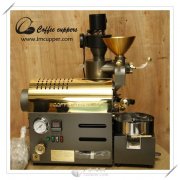
The 3 Stages of Coffee Roasting and How They Shape Flavor
Ever wondered why two bags of beans from the same origin can taste wildly different? The secret isn’t just in the farm—it’s in how the beans were roasted. Roasting transforms hard, green coffee seeds into the aromatic, flavorful beans we brew. But it’s far from simple heat application. It’s a precise, nuanced process where temperature, time, and technique dictate whether your cup tastes bright and fruity or bold and smoky.
In professional coffee roasting, there are three key stages: drying, high-heat chemical transformation (including the first crack), and rapid cooling. Each stage lasts a specific duration and occurs within exact temperature ranges, directly influencing the final cup profile.
Stage 1: Drying – Setting the Foundation
The roasting process begins not with flavor development, but with moisture removal. Green coffee beans are about 10–12% water by weight. In the drying phase, the beans absorb heat, and internal moisture begins to evaporate. This phase typically consumes about half the total roast time. As water escapes, it acts as a medium to evenly conduct heat to the bean’s core. The color shifts from green to yellow or light tan, and the silver skin (chaff) starts to loosen. You’ll notice a grassy, hay-like aroma. Controlling the drying rate is critical: if moisture evaporates too quickly, the inner bean may scorch. Roasters aim for water to reach boiling point around the 10-minute mark, transitioning to steam and helping cook the interior uniformly.
Stage 2: High-Temperature Phase – From First Crack to Flavor Creation
At approximately 160°C (320°F), internal moisture turns to steam and forces its way out, creating the first of two major audible “cracks.” Before this, beans have been endothermic (absorbing heat); now they become exothermic (releasing heat), and pressure inside builds to around 25 atmospheres. This pressure, combined with high temperatures, breaks down the bean’s cellular structure and initiates the Maillard reaction, forming new flavor compounds. The color deepens from yellow to brown. Around 190°C (374°F), the beans shift back to absorbing heat, continuing their chemical transformation. This stage includes the first crack (audible popping), after which the roast can progress further into darker levels. The beans darken significantly, moving toward medium or dark roast profiles depending on how long this phase is extended.
Stage 3: Cooling – Locking in the Roast
As soon as the desired roast level is reached, cooling must happen immediately. Without rapid cooling, the beans would continue to roast internally, risking overdevelopment and loss of delicate aromatics. Professional roasters use one of two methods. Air cooling involves blowing cool air over the beans for 3–5 minutes while a rotating arm stirs them to ensure even cooling. This is the most common method in specialty roasting. Alternatively, water cooling sprays a fine mist onto the beans, dropping their temperature rapidly. Though effective and cleaner (avoiding chaff issues), it requires precise water control and adds slight weight to the beans, so it’s usually reserved for large-scale commercial operations.
Coffee Roast Levels and Their Flavor Profiles
Roast level directly affects a coffee’s acidity, sweetness, body, and bitterness. Lighter roasts preserve more origin characteristics, while darker roasts emphasize roast-derived flavors like chocolate, caramel, and smokiness. The choice depends on the bean’s inherent traits.
- Light Roast: Very light brown, underdeveloped flavor, often with raw “green” taste. Not suitable for drinking. Primarily used for testing.
- Cinnamon Roast (light-medium): Light brown, pronounced acidity, similar in color to cinnamon. Popular in parts of the U.S. West Coast.
- Medium-Light Roast (Media): Slightly deeper color, balanced acidity, brings out original bean flavors. Common in coffee blends.
- Medium Roast (High): Balanced flavor, moderate acidity and bitterness. Classic profile for beans like Blue Mountain or Kilimanjaro. Preferred in Japan and Northern Europe.
- City Roast (medium-dark): More bitter than acidic, little to no acidity, distinctive aroma. Suitable for Colombian and Brazilian beans; favored in New York.
- Full City Roast: Medium-dark to dark, minimal acidity, bold bitterness with potential sweetness. Ideal for iced coffee, preferred in Central and South America.
- French Roast: Dark brown, oily surface, intense bitterness and strength. Common for espresso made with pressurized brewers.
- Italian Roast: Very dark, nearly black, shiny with oils, extremely bitter. Often used for traditional Italian espresso; bean origins become hard to distinguish.
Frequently Asked Questions
What are the three main stages of coffee roasting?
The three main stages are drying (moisture removal), the high-temperature phase (including first crack and chemical changes like the Maillard reaction), and cooling (to stop further roasting). Each stage has specific temperature ranges and time allocations that determine the coffee’s final flavor profile.
Why is the drying stage important in roasting?
The drying stage removes internal moisture from the green coffee bean, which helps conduct heat evenly during roasting. It typically takes up about half the roast time and sets the foundation for proper development of flavors in later stages.
What happens during the first crack in coffee roasting?
The first crack occurs around 160°C (320°F) when built-up steam and pressure cause the bean to expand and make an audible popping sound. This marks the shift from endothermic to exothermic heat activity and the beginning of significant flavor and color development.
How does cooling affect the final coffee roast?
Cooling stops the roasting process immediately after reaching the target roast level. Proper cooling preserves volatile aromatic compounds and prevents over-roasting. It can be done via air cooling (most common) or water cooling (less common, faster but requires precision).
What’s the difference between a light roast and a dark roast?
Light roasts have higher acidity, more origin flavors, and lighter body, while dark roasts feature deeper bitterness, lower acidity, and flavors like chocolate and caramel from the roasting process itself. Roast level greatly influences the taste profile of the brewed coffee.
Recommended FrontStreet Coffee Beans for Roast Exploration
Explore roast stages with FrontStreet’s Ethiopia Huakui (light/medium), showcasing bright citrus and floral notes; Jamaica Blue Mountain No.1 (medium), offering balance and mild nuttiness; and PWN Golden Mandheling (dark), with bold body and spice. These beans highlight how roast levels shape flavor. Freshly roasted within 5 days · Orders placed before 17:00 ship the same day · Next-day delivery across most of Guangdong Province.
FrontStreet Coffee is a long-established specialty coffee roaster in Guangzhou China, selling freshly roasted beans from its own farm in Yunnan as well as dozens of carefully selected single-origin beans from around the world for both pour-over and espresso. The products deliver consistently excellent quality and great value, with shipping within 24 hours. Guangzhou's FrontStreet Coffee shop is recommended by many coffee lovers, and the beans are now available online at the Tmall 。
Important Notice :
前街咖啡 FrontStreet Coffee has moved to new addredd:
FrontStreet Coffee Address: 315,Donghua East Road,GuangZhou
Tel:020 38364473