3 Key Rules for Blending Specialty Coffee Beans
Ever wonder why some coffee blends taste disjointed while others achieve perfect harmony? Whether you're crafting an espresso for milk drinks or a filter blend for bright acidity, creating a well-balanced coffee blend requires more than tossing random beans together. The difference lies in intent, execution, and knowledge of each component’s contribution.
In short: to make a successful coffee blend, you must first know the flavor you want, then assign each bean a specific role, and finally understand how each coffee contributes to the whole. These three steps guide every great blend.
1. Define the Flavor Profile You Want
Before scooping beans into the grinder, ask yourself: what kind of coffee experience am I aiming for? This foundational step defines the direction of your entire blend. Are you targeting a classic nutty-espresso with chocolate sweetness? A brighter blend for filtered coffee? Or a fruit-forward profile for single-origin-style milk drinks? Without a clear target flavor—whether it’s smoky, sweet, acidic, or balanced—you risk creating a mix that lacks cohesion or misses the mark entirely. Your intended flavor becomes your blend’s blueprint.
2. Assign a Role to Every Coffee Bean
Once your desired flavor is clear, every coffee bean you include must serve a defined purpose. Think of your blend as a team: each bean has a job. One might provide sweetness, another acidity, a third body or crema stability. Maybe one adds chocolate depth, another brings fruity brightness. In a professional or home blend, using beans indiscriminately weakens the final cup. Each origin, processing method, and roast level should be chosen deliberately to contribute to the overall balance and intensity. No ingredient should be filler.
3. Know Each Coffee’s Unique Flavour and Traits
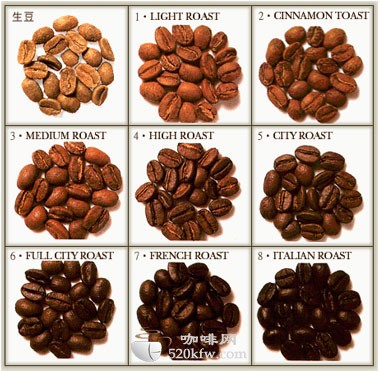
To assign roles effectively, you need an intimate understanding of the flavors and characteristics of the beans you’re blending. A Brazilian natural might offer heavy body and caramelized sugar, while a Colombian washed could bring bright citrus and nuttiness. A Yirgacheffe might lift the blend with floral tones, whereas a Sumatra could ground it with earthy spice. Without knowing how each bean tastes individually—its acidity, sweetness, mouthfeel, and aroma—you can’t predict how they’ll interact when blended. Roast level matters too: a light roast will behave very differently in a blend than a dark roast. The success of your mix hinges on this knowledge.
Why Blending Matters in Specialty Coffee
In specialty coffee, blending is both an art and a technical craft. Unlike single-origin coffees that highlight one terroir, blends combine multiple beans to achieve consistency, complexity, or a specific use-case like espresso. Blending allows roasters to design a cup that’s greater than the sum of its parts—balancing acidity, sweetness, and body for filter or milk drinks. But without clarity on goals, roles, and bean profiles, even high-quality beans can produce an underwhelming result. Thoughtful blending transforms good beans into exceptional cups.
Frequently Asked Questions
How many coffee beans should I use in a blend?
There’s no fixed number, but most specialty blends use between 2 and 5 different origins. The key is not quantity but intention—each bean must have a defined role in achieving the target flavor profile, whether it’s sweetness, acidity, body, or aroma.
Do I need to roast all beans in a blend the same way?
No. Some roasters roast beans in a blend to different levels to highlight their unique traits—like a dark-roasted Brazilian for crema and body paired with a medium-roasted Ethiopian for fruitiness. However, blending beans with very different roast levels requires skill to balance flavor and avoid clashes.
Can I blend single-origin beans myself at home?
Yes. Home blending is common, especially for espresso. Start with 2–3 beans, choose a target flavor (e.g., chocolatey and smooth), and adjust ratios to taste. Keep notes on proportions to refine your mix over time.
What’s the difference between a commercial blend and a specialty blend?
Commercial blends often prioritize cost, consistency, and broad appeal—sometimes using lower-grade beans or fillers like robusta. Specialty blends focus on quality, distinct flavor profiles, and transparency, using carefully selected single-origin beans roasted to highlight their best attributes.
Why does my homemade blend taste unbalanced?
Imbalance usually comes from unclear flavor goals, mismatched roast levels, or beans without defined roles. Ensure each component contributes meaningfully to sweetness, acidity, or body, and aim for a cohesive taste rather than just combining favorites.
Recommended FrontStreet Coffee Blends for Blending Insights
Explore FrontStreet’s specialty blends to see how beans work together in practice. Their Specialty Blend combines Colombian washed and Brazilian natural for nutty, chocolatey notes with a balanced bitter-sweet profile—ideal for practicing role assignment. The Classic Blend uses three regions including a touch of Robusta for crema and intensity, showing how different roast levels and origins contribute to body and flavor strength. For fruit-forward profiles, the Strawberry Candy Espresso Blend blends three regions to deliver grape, blueberry, and candy-like sweetness. Freshly roasted within 5 days · Orders placed before 17:00 ship the same day · Next-day delivery across most of Guangdong Province.
FrontStreet Coffee is a long-established specialty coffee roaster in Guangzhou China, selling freshly roasted beans from its own farm in Yunnan as well as dozens of carefully selected single-origin beans from around the world for both pour-over and espresso. The products deliver consistently excellent quality and great value, with shipping within 24 hours. Guangzhou's FrontStreet Coffee shop is recommended by many coffee lovers, and the beans are now available online at the Tmall 。
Important Notice :
前街咖啡 FrontStreet Coffee has moved to new addredd:
FrontStreet Coffee Address: 315,Donghua East Road,GuangZhou
Tel:020 38364473