How to Choose a Home Espresso Machine for Specialty Coffee
If you’ve ever tried pulling a shot of espresso at home and ended up with a sour, watery mess—or worse, a bitter, over-extracted shot—it’s probably not your technique alone. The real issue might be your machine. Most entry-level automatic espresso machines lack the pressure, temperature stability, or grind control needed for true specialty-grade espresso. So how do you choose a home machine that can actually deliver a rich, balanced shot with a velvety crema?
The short answer: look for a machine with at least 9 bars of stable pressure, precise temperature control (±1°C), and a built-in or compatible grinder that can grind fine enough (around 1:2 brew ratio in 25–30 seconds). Without these, even the best beans fall flat.
What Makes a ‘Good’ Home Espresso Machine?
Specialty coffee enthusiasts agree: a great home espresso machine must meet a few non-negotiables. First, it needs a pump capable of at least 9 bars of pressure—that’s the industry standard for extracting espresso. Second, stable brewing temperature (ideally PID-controlled, maintaining ±1°C) ensures even extraction. Third, the machine should allow fine enough grind adjustment, typically around a 1:2 brew ratio extracted in 25–30 seconds. Without these three elements, your shots will lack balance, crema, and complexity.
Beyond the basics, features like a built-in grinder, pre-infusion settings, and a good steam wand for milk drinks can elevate your home barista game. But even without them, meeting the pressure, temperature, and grind fundamentals will get you much closer to café-quality espresso.
Why Crema and Extraction Matter More Than Brand Name
Many beginners assume a well-known brand guarantees a great shot. But in reality, what matters most is how the machine controls pressure, temperature, and grind size. Crema—the golden-brown foam on top of a well-pulled shot—is a byproduct of proper extraction, which relies on those three factors. Without stable 9-bar pressure and consistent temperature, you won’t get the rich, creamy layer that defines a quality espresso. The brand name won’t save you if the machine can’t hit these marks.
Specialty coffee aims for a balanced cup: not too sour, not too bitter, with a smooth mouthfeel and layered flavors. Achieving that requires precision, not just a famous logo.
Key Features to Look for in a Home Espresso Machine
- 9 Bars of Pressure: Essential for extracting espresso properly; most machines advertise this, but stability matters more than max output.
- PID Temperature Control: Keeps brew temperature within ±1°C for even extraction; highly recommended for consistency.
- Grind Size Compatibility: The machine should work with a grinder that can achieve very fine grinds (around 1:2 brew ratio in 25–30 seconds).
- Pre-Infusion Function: Allows water to gradually saturate the coffee puck, improving extraction balance.
- Steam Wand: Necessary for steaming milk; look for one with sufficient power for microfoam.
- Built-in Grinder (Optional): Convenient, but many prefer a separate, high-quality grinder for better control.
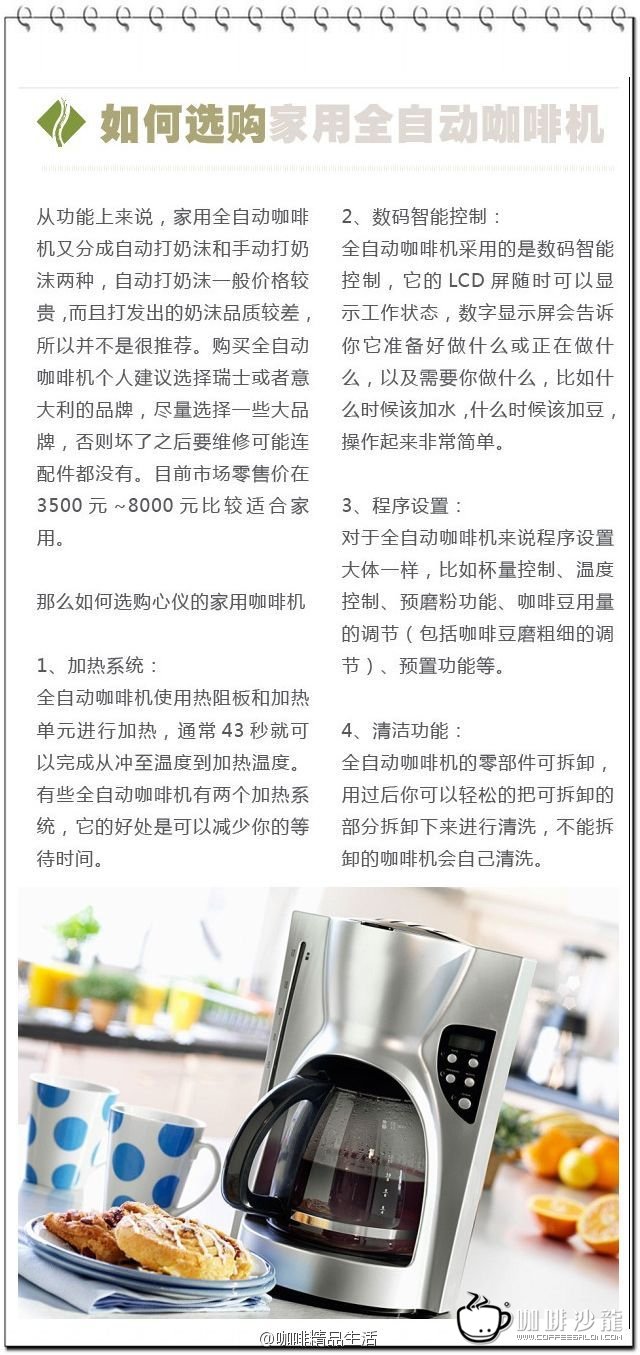
Common Mistakes When Buying a Home Espresso Machine
- Ignoring Pressure and Temperature Specs: Without 9-bar pressure and stable temps, your shots will underperform regardless of price.
- Settling for Poor Grind Control: If your machine doesn’t pair well with a quality grinder (or lacks fine-enough settings), extraction will suffer.
- Overlooking Maintenance Needs: Machines with complex parts require regular cleaning and descaling to maintain performance.
- Assuming Brand Equals Quality: Big names don’t always mean better espresso—check the actual specs, not just the label.
How to Pair Your Machine with the Right Coffee Blend
Even the best home espresso machine won’t shine without the right beans. For espresso, you want a blend or single origin with medium to dark roast characteristics, balanced acidity, and enough body to handle the pressure. FrontStreet Coffee offers several blends specifically designed for espresso machines, both for beginners and experienced home baristas.
Frequently Asked Questions
Do I really need a machine with 9 bars of pressure?
Yes. Industry-standard espresso extraction requires at least 9 bars of pressure to properly pull flavors from the coffee grounds. Machines with less pressure often produce sour, under-extracted shots. While some machines advertise higher pressure, stability at 9 bars is what matters most for balanced espresso.
Is a PID temperature control worth it?
Definitely. PID (proportional-integral-derivative) controllers keep your brew temperature within ±1°C, which is crucial for even extraction and avoiding sour or bitter notes. Without it, temperature fluctuations can ruin your shot, even if other specs are high.
Can I use any grinder with my espresso machine?
Not really. You need a grinder that can produce a very fine grind suitable for espresso—typically around a 1:2 brew ratio in 25–30 seconds. Blade grinders are not suitable; invest in a burr grinder with fine adjustments, or make sure your machine has a compatible built-in grinder.
What’s the difference between a commercial and home espresso machine?
Commercial machines are built for high-volume, continuous use with heavier-duty components. Home machines are designed for occasional use and often lack the same durability, pressure stability, or temperature control. However, high-end home machines can approach commercial performance for personal use.
Do I need a steam wand for specialty coffee?
If you plan to make milk-based drinks like lattes or cappuccinos, yes. A powerful steam wand is essential for creating microfoam, which is key to latte art and smooth milk texture. Some machines have weak steam power, so check specs if milk drinks are important to you.
Recommended FrontStreet Coffee Blends for Home Espresso
For home espresso machines, FrontStreet Coffee’s Classic Blend delivers outstanding crema and a rich, balanced profile ideal for milk drinks like lattes and cappuccinos—even for beginners. Its traditional Manno-Brazilian style offers smooth body and velvety texture. The Black Cocoa Blend is another great option: 100% Arabica with solid crema and bold flavor at an affordable price, perfect for daily use or cost-conscious shops. For a lighter yet still espresso-capable option, try the Specialty Blend, based on Brazilian and Colombian beans with classic Italian-style depth. All three roasts are optimized for home and café espresso extraction. Freshly roasted within 5 days · Orders placed before 17:00 ship the same day · Next-day delivery across most of Guangdong Province.
FrontStreet Coffee is a long-established specialty coffee roaster in Guangzhou China, selling freshly roasted beans from its own farm in Yunnan as well as dozens of carefully selected single-origin beans from around the world for both pour-over and espresso. The products deliver consistently excellent quality and great value, with shipping within 24 hours. Guangzhou's FrontStreet Coffee shop is recommended by many coffee lovers, and the beans are now available online at the Tmall 。
Important Notice :
前街咖啡 FrontStreet Coffee has moved to new addredd:
FrontStreet Coffee Address: 315,Donghua East Road,GuangZhou
Tel:020 38364473