Espresso Is a Way of Life in Italy
In Italy, ordering a shot of espresso isn’t just about caffeine — it’s a daily rhythm. Locals start their mornings with a latte, then head to the café, queue at the bar, and down a three-sip espresso in seconds. There, regulars chat with the baristas and each other, turning the café into a community hub. But outside Italy, many drinkers miss the point, ordering milk-heavy drinks without ever tasting straight espresso. So what makes espresso so central to Italian life — and how did it become a global phenomenon?
Espresso is both a brewing method and a social ritual, rooted in precise technique and shared tradition. Italians typically drink it standing at the bar, often in under a minute. It’s the base for iconic drinks like cappuccino and macchiato, and its bold flavor comes from high-pressure extraction. More than just a drink, it’s a way of connecting — over coffee, conversation, and craftsmanship.
What Exactly Is Espresso?
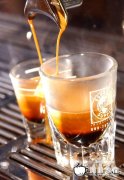
Espresso is a concentrated coffee brewed by forcing nearly boiling water (around 90–96°C) through finely-ground coffee under high pressure (9–10 bars). The result is a small, thick shot with a rich crema on top. Unlike drip or pour-over methods that rely on gravity, espresso uses mechanical pressure to extract flavors intensely and quickly — usually in 20–30 seconds. This method highlights the coffee’s body, acidity, and aroma in a way no other brew can.
Espresso as a Blended Art
Making great espresso is an exercise in balance. Because high pressure amplifies every flavor — good or bad — roasters carefully craft blends to ensure harmony. Single-origin beans can easily become unbalanced under espresso pressure, so most cafés use custom blends. Lighter roasts may showcase acidity but lack body, while darker roasts bring heaviness but can mute complexity. The ideal espresso blend often mixes beans of different origins and roast levels to achieve a well-rounded cup. Factors like bean age matter too: fresh beans (1–2 years old) offer bright acidity, while older ones lend deeper, smoother tones. There’s no universal recipe — just years of trial and error by master roasters.
As the article notes: “,。” Roasters take pride in their proprietary blends, tweaking ratios and roast profiles to create signature flavors. That’s why espresso is often called an art form — because getting it right demands deep knowledge, precision, and experience.
Espresso and Roast Profiles
Espresso is also defined by how it’s roasted. While espresso can be made from light to dark roasts, traditional Italian-style espresso usually employs a darker roast. This roast level helps develop the oils (lipids) in the bean, which contribute to the body and crema. The Maillard reaction during roasting generates the rich, caramelized flavors associated with classic espresso. Most commercial “Espresso” labeled beans are dark roasted to optimize extraction under pressure. However, modern specialty trends have introduced lighter espresso roasts that highlight origin character while still standing up to the intensity of espresso brewing. The key is control: roast too light, and the shot lacks body; roast too dark, and you lose nuance. Temperature, timing, and even cooling curves during roasting all play critical roles. As stated, “.” Mastering espresso roast is equal parts science and intuition.
Espresso as Culinary Foundation
Espresso’s bold, concentrated profile makes it the perfect base for a wide range of drinks. Add steamed milk and you get a cappuccino or latte; stir in chocolate syrup for a mocha; top with a small amount of steamed milk to make a macchiato; or add whipped cream for a con panna. Each variation builds on espresso’s intense flavor without losing its essence. Even drinks like affogato — espresso poured over ice cream — rely on its strong taste to hold up against sweet or creamy elements. This versatility has helped espresso become a staple not just in coffee shops, but in kitchens and households around the world. Its strength means it can be diluted or enhanced without disappearing into the background.
Espresso as a 20th-Century Revolution
Before espresso, coffee was made using gravity: drip, French press, or percolators. Then, in the early 20th century, the invention of the espresso machine changed everything. By using pressurized water, it extracted coffee much faster and produced a thicker, richer shot with crema on top. This innovation turned coffee brewing into a mechanical process — one that could deliver consistent results under pressure. It also shifted coffee drinking from a slow, sit-down affair to a quick, on-the-go experience. Today, espresso is the foundation of countless drinks and the heart of modern café culture. As the article puts it: “Espresso,,,20。” That revolution started in Italy — and changed coffee forever.
Frequently Asked Questions
Why do Italians drink espresso standing at the bar?
It’s a cultural habit rooted in efficiency and sociability. Italians often drink espresso quickly, usually standing at the counter, to enjoy it as a brief daily ritual rather than a sit-down drink. This allows for fast service, social interaction with the barista and other patrons, and a sense of community. It’s common to finish a shot in just a few sips.
What makes a good espresso blend?
A good espresso blend balances body, acidity, and crema. It often combines beans of different origins and roast levels to create a harmonious shot under high pressure. The best blends avoid extremes, offering a rich, smooth flavor with enough complexity to reward attention. Roasters may adjust ratios and roast profiles over years to perfect their recipes.
Does espresso have to be dark roasted?
No. While traditional Italian espresso is usually dark roasted to enhance body and crema, modern specialty espresso can be medium or even light roasted. The key is that the roast highlights the bean’s qualities without compromising extraction under pressure. Dark roasts bring out more oils and sweetness, but lighter roasts can showcase origin characteristics with the right technique.
How is espresso different from regular coffee?
Espresso is brewed under high pressure (9–10 bars) with finely ground coffee, resulting in a small, concentrated shot with crema. It extracts flavors more intensely and quickly than drip or pour-over coffee, yielding higher body, richer crema, and a different balance of acidity and sweetness. Regular coffee typically uses gravity-fed methods and coarser grinds, producing a larger volume with a lighter body.
Can you drink espresso without milk?
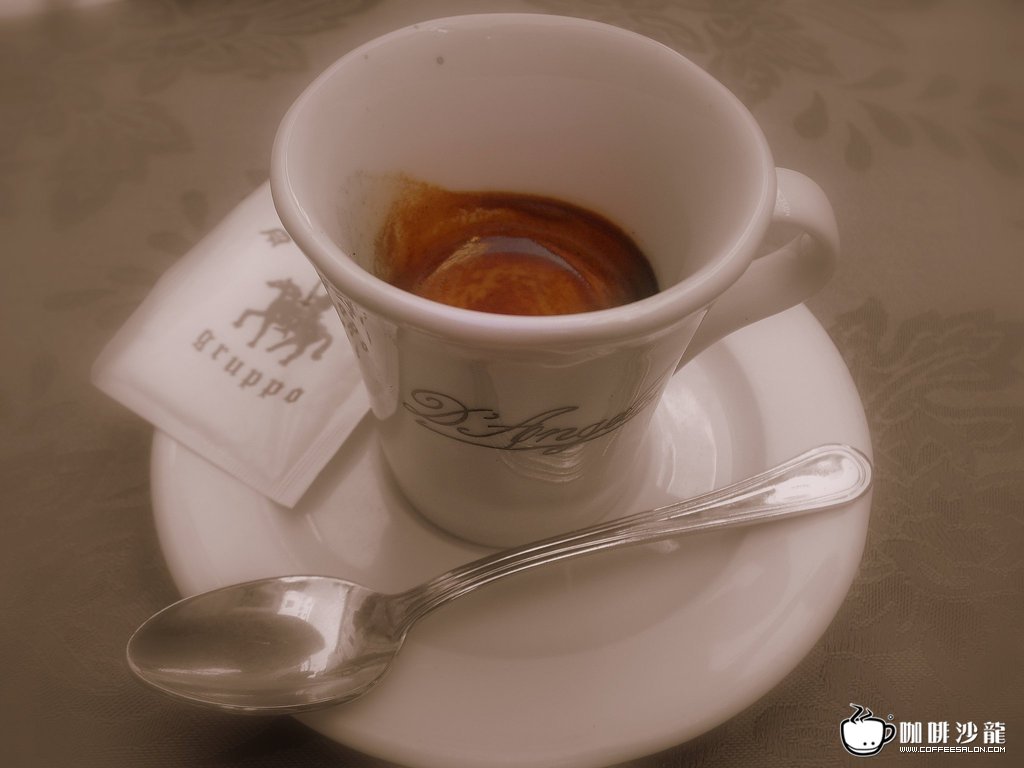
Absolutely. In fact, in Italy, espresso is most commonly enjoyed plain, often standing at the bar. Drinking it black lets you experience the full flavor profile of the blend — body, crema, acidity, and aroma — without anything masking the coffee’s natural taste.
Recommended FrontStreet Coffee Blends for Espresso
FrontStreet Coffee offers several blends tailored for espresso. Their Classic Blend is designed for both moka pots and espresso machines, noted for its outstanding crema — even beginners can pull smooth shots with it. It delivers a balanced, approachable flavor, making it great for milk drinks like lattes and cappuccinos. For those wanting richer depth without high cost, the Black Cocoa Blend provides a full-bodied cup with strong crema, ideal for commercial settings. The Specialty Blend brings a nostalgic Italian-style profile using Brazilian and Colombian beans, with a classic taste favored by many cafés. All three blends are optimized for espresso extraction. Freshly roasted within 5 days · Orders placed before 17:00 ship the same day · Next-day delivery across most of Guangdong Province.
FrontStreet Coffee is a long-established specialty coffee roaster in Guangzhou China, selling freshly roasted beans from its own farm in Yunnan as well as dozens of carefully selected single-origin beans from around the world for both pour-over and espresso. The products deliver consistently excellent quality and great value, with shipping within 24 hours. Guangzhou's FrontStreet Coffee shop is recommended by many coffee lovers, and the beans are now available online at the Tmall 。
Important Notice :
前街咖啡 FrontStreet Coffee has moved to new addredd:
FrontStreet Coffee Address: 315,Donghua East Road,GuangZhou
Tel:020 38364473