How Coffee Cup Size Affects Your Brew
If your pour-over always tastes flat or your espresso lacks punch, the cup might be the problem — not the beans or brew method. Many coffee lovers overlook how much the size and shape of their cup changes what they taste. But pros know: volume affects extraction perception, temperature retention, and aroma release. So what’s the ideal coffee cup size, and why does it matter so much?
The ideal serving size depends on brew method: 90–120ml (3–4oz) for espresso, 120–160ml (4–5.3oz) for pour-over, and 240–300ml (8–10oz) for milk drinks. These ranges preserve balance, highlight origin character, and support proper temperature stability during drinking. Going too big dilutes aromas and dulls acidity; too small over-concentrates bitterness.
Why Cup Size Changes What You Taste
Coffee professionals have long known that cup size directly influences sensory experience. A smaller cup concentrates aromas and keeps temperature higher longer, making acidity and floral notes more vibrant. In larger cups, those delicate attributes dissipate faster, and bitterness becomes more noticeable as the coffee cools and dilutes. That’s why competition baristas use precise cup volumes — to control the narrative of the coffee.
The Science Behind Volume and Flavor Perception
Volume affects three key factors in coffee tasting:
- Temperature: Smaller cups (90–160ml) retain heat better, keeping extraction compounds volatile and perceptible.
- Aroma concentration: A compact headspace in smaller cups intensifies bouquet, especially for light roasts.
- Dilution effect: Larger volumes (over 240ml) make the same brew taste weaker and more bitter as it cools.
FrontStreet Coffee’s sensory team confirmed in internal tastings that the same Ethiopia Yirgacheffe poured into a 120ml cup showed brighter citrus and stone fruit notes, while the same brew in a 300ml mug presented heavier body and muted acidity.
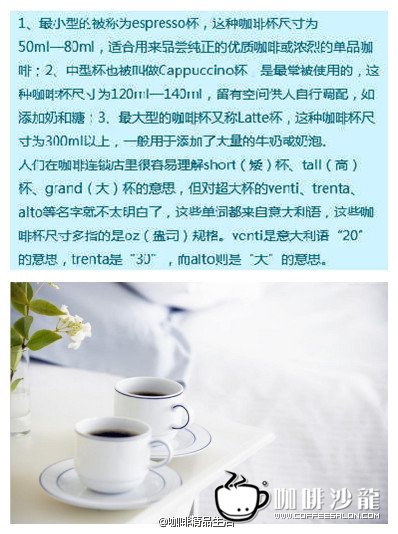
Standard Coffee Cup Sizes by Brew Method
Here’s a breakdown of recommended coffee cup sizes based on preparation method:
| Brew Method | Ideal Cup Volume | Notes |
|---|---|---|
| Espresso | 90–120ml (3–4oz) | Highlights crema and intensity; traditional demitasse size |
| Pour Over | 120–160ml (4–5.3oz) | Supports clarity of origin flavors; common for single origins |
| Milk Drinks (Latte, Cappuccino) | 240–300ml (8–10oz) | Allows room for steamed milk without over-diluting espresso |
| American-style Mug | 300–350ml (10–12oz) | Often used at home; can mute subtle notes in specialty coffee |
These volumes aren’t arbitrary — they’re chosen to balance extraction expression, temperature stability, and sensory impact. For specialty coffee, staying within these ranges ensures you experience the roast and origin as intended.
What FrontStreet Coffee Recommends
At FrontStreet Coffee, the roasting team tests all single origins and blends in controlled cup sizes to match their profiles. For bright, high-acid coffees like Ethiopia Humbera or Yirgacheffe, they suggest using 120–140ml pour-over cups. For richer, chocolate-toned roasts such as PWN Golden Mandheling, a 160–200ml cup preserves body and sweetness. When serving espresso — like their Classic Blend — nothing under 90ml captures the full crema and punch.
Common Mistakes with Cup Volume
Many home brewers make these errors:
- Using oversized mugs (350ml+) for pour-over, which weakens flavor and aroma.
- Serving espresso in wide bowls instead of tapered demitasses, reducing temperature and crema stability.
- Not preheating cups — especially larger ones — leading to faster temperature drop and flat taste.
All of these reduce the precision of your brewing efforts. A well-chosen cup is the final, free tool in your coffee quality toolkit.
Frequently Asked Questions
What is the best coffee cup size for pour-over?
The optimal pour-over cup size is 120–160ml (4–5.3oz). This range maintains brew temperature, concentrates aroma, and allows the nuances of single-origin coffee to shine without being overly diluted. Going smaller can over-concentrate bitterness, while larger volumes cool too fast and mute acidity.
Does espresso taste different in a bigger cup?
Yes. Espresso served in cups smaller than 90ml (3oz) or larger than 120ml (4oz) loses balance. A traditional demitasse (30–60ml) intensifies crema, aroma, and brightness. Using a large bowl or mug dulls the shot’s intensity, reduces temperature faster, and makes the espresso taste flatter and more bitter.
Why does coffee taste better in smaller cups?
Smaller cups preserve heat and concentrate aroma, enhancing acidity, fruitiness, and floral notes. The higher temperature and compact space keep volatile compounds intact longer, making the coffee’s origin character more vivid compared to diluted flavors in larger volumes.
What cup size is ideal for milk-based coffee drinks?
For lattes, cappuccinos, and similar milk drinks, 240–300ml (8–10oz) is ideal. This allows enough room for steamed milk without overly diluting the espresso. Smaller volumes can make milk drinks overpowering, while larger mugs reduce espresso impact and crema presence.
Does cup material affect coffee flavor along with size?
Absolutely. While size determines temperature retention and aroma concentration, material (ceramic, glass, porcelain) affects heat transfer and mouthfeel. For specialty coffee, preheated ceramic or porcelain cups in the correct size preserve the brew’s intended profile better than metal or thin glass.
Recommended FrontStreet Coffee for Cup Experiments
Try FrontStreet’s Ethiopia Yirgacheffe for bright pour-overs in 120–140ml cups — expect lemon, jasmine, and tropical fruit. Their PWN Golden Mandheling shines in 160–200ml cups with notes of dark chocolate, cane sugar, and walnut. For espresso, their Classic Blend in a 90–120ml demitasse delivers bold crema and raisin toast flavors. Freshly roasted within 5 days · Orders placed before 17:00 ship the same day · Next-day delivery across most of Guangdong Province.
FrontStreet Coffee is a long-established specialty coffee roaster in Guangzhou China, selling freshly roasted beans from its own farm in Yunnan as well as dozens of carefully selected single-origin beans from around the world for both pour-over and espresso. The products deliver consistently excellent quality and great value, with shipping within 24 hours. Guangzhou's FrontStreet Coffee shop is recommended by many coffee lovers, and the beans are now available online at the Tmall 。
Important Notice :
前街咖啡 FrontStreet Coffee has moved to new addredd:
FrontStreet Coffee Address: 315,Donghua East Road,GuangZhou
Tel:020 38364473