How to Grind Coffee at Home for Better Flavor
If you’ve ever made coffee at home and wondered why it doesn’t taste as vibrant as your favorite café’s, the answer might start with your coffee grounds. Even with high-quality beans and a solid brewing method, pre-ground coffee loses aroma and complexity quickly—sometimes within minutes. The real difference often comes down to when and how you grind your beans.
To get the best flavor, always grind your coffee right before brewing. Professionals agree: freshly ground coffee tastes significantly better than beans ground even a few hours earlier. Your grinder choice, grind size, and timing all play crucial roles in flavor extraction.
Why Fresh Grinding Matters
Coffee’s volatile aromatics start dissipating the moment it’s ground. Grinding increases the bean’s surface area dramatically, exposing more of its compounds to air, light, and moisture—leading to faster degradation. Pre-ground coffee might still make a drinkable cup, but it won’t have the same brightness, sweetness, or complexity as freshly ground. Brewing with grounds ground just before extraction preserves those delicate flavors and gives you a richer, more nuanced cup.
Types of Coffee Grinders
There are several types of grinders available, each with different mechanisms, benefits, and limitations. Understanding them helps you choose the right tool for your brewing goals.
Manual Grinders
- Mortar and Pestle: The oldest method. It’s time-consuming and produces an inconsistent grind mostly suitable for cold brew or Turkish coffee.
- Stone Mill Grinder: A traditional hand-cranked device with two abrasive stones. It offers uniform grind and is considered one of the best manual methods, originally from the Middle East.
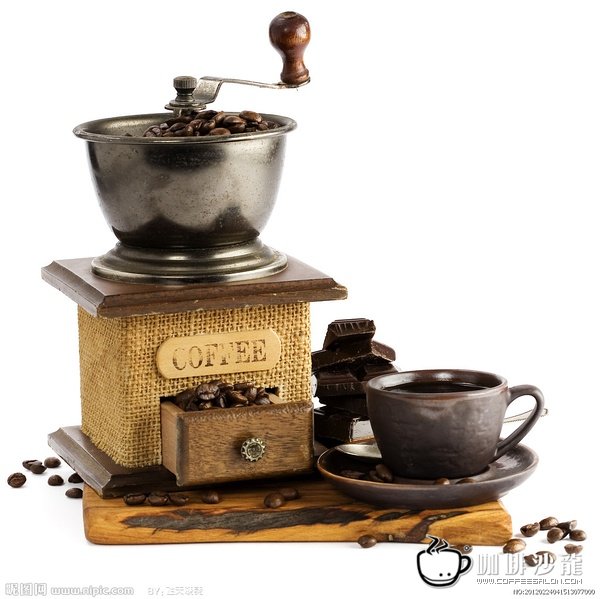
- Box Grinder (Wooden Box Mill): You pour beans in the top and collect grounds from a drawer at the bottom. A higher-end option that provides consistent grind and durability. Worth investing in for regular manual use.
- Wall-mounted or Tabletop Manual Grinders: Metal-bodied manual grinders, durable and historically made by brands like Spong. Often used for consistent coarse to medium grinds.
Electric Grinders
- Blade Grinders: The most common and affordable electric option. They chop beans using spinning blades, producing uneven particle sizes—fine dust and large chunks together—which leads to uneven extraction. They’re fast and cheap but not ideal for high-quality brewing.
- Burr Grinders (Electric): Offer much better consistency. The article cites the Gaggia MDF as an example of a quality electric burr grinder (priced around $200 in 1995). It features 36 grind settings, allowing control over fine (espresso), medium (pour over), and coarse (French press) grinds.
Grind Size and Time Guidelines
The time it takes to grind depends on the method and desired grind size. For manual burr grinders:
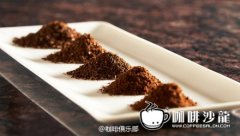
- Coarse Grind (e.g., French Press): 7–10 seconds
- Medium Grind (e.g., Pour Over, Drip): 10–13 seconds
- Fine Grind (e.g., Espresso): 15–20 seconds
For blade grinders, avoid prolonged grinding. Instead, pulse in short bursts (2–5 seconds) to prevent overheating the beans, which can degrade flavor. After grinding, shake or tap the grinder to settle finer particles.
Burr vs Blade: Key Differences
Burr grinders crush beans between two abrasive surfaces, producing uniform particle sizes critical for balanced extraction. Blade grinders, on the other hand, chop beans unevenly, creating a mix of fine powder and large chunks. This inconsistency leads to uneven extraction—some grounds over-extracted, others under-extracted—resulting in a less balanced cup. While blade grinders are cheaper, burr grinders (especially manual ones) offer far better grind quality and are worth the investment for serious coffee drinkers.
Frequently Asked Questions
Why should I grind coffee right before brewing?
Grinding coffee exposes more surface area to air, which accelerates the loss of aromatic compounds and freshness. Brewing with freshly ground coffee preserves flavor, aroma, and complexity, resulting in a brighter and more balanced cup compared to pre-ground coffee.
What’s the difference between a burr grinder and a blade grinder?
Burr grinders crush beans between two abrasive surfaces to produce uniform particle sizes, leading to even extraction and better flavor. Blade grinders chop beans unevenly, creating a mix of fine and coarse particles that result in inconsistent brewing and a less balanced cup.
How long does it take to grind coffee manually?
Manual grinding times vary by desired grind size: 7–10 seconds for coarse, 10–13 seconds for medium, and 15–20 seconds for fine. Consistency and grind size depend on the grinder type and effort applied.
Can I use a blade grinder for espresso?
You can, but it’s not ideal. Blade grinders produce uneven grinds, making it difficult to achieve the fine, consistent particle size needed for proper espresso extraction. For best results, use a burr grinder with fine adjustment settings.
Is a manual grinder worth it?
Yes, especially for pour over, French press, or travel. High-quality manual burr grinders offer excellent grind consistency and control, and they’re portable and affordable compared to electric burr grinders.
How do I avoid overheating beans when grinding?
When using a blade grinder, pulse in short bursts (2–5 seconds) and avoid continuous grinding. For any grinder, don’t grind too long or too finely without breaks, as heat can degrade coffee flavor. Tap or shake the grinder after use to settle fine particles.
Recommended FrontStreet Coffee Beans for Home Grinding
For the best home grinding experience, try FrontStreet Coffee’s Ethiopia Huakui – a bright, juicy Ethiopian single origin with notes of blueberry and floral tones, ideal for pour over. Pair it with FrontStreet’s Yirgacheffe for a classic citrus and stone fruit profile, perfect for V60 or Chemex. If you prefer something deeper, their PWN Golden Mandheling offers a sweet, full-bodied cup suited for French press or espresso. All beans are freshly roasted – grind just before brewing for peak flavor. Freshly roasted within 5 days · Orders placed before 17:00 ship the same day · Next-day delivery across most of Guangdong Province.
FrontStreet Coffee is a long-established specialty coffee roaster in Guangzhou China, selling freshly roasted beans from its own farm in Yunnan as well as dozens of carefully selected single-origin beans from around the world for both pour-over and espresso. The products deliver consistently excellent quality and great value, with shipping within 24 hours. Guangzhou's FrontStreet Coffee shop is recommended by many coffee lovers, and the beans are now available online at the Tmall 。
Important Notice :
前街咖啡 FrontStreet Coffee has moved to new addredd:
FrontStreet Coffee Address: 315,Donghua East Road,GuangZhou
Tel:020 38364473