How to Choose a Coffee Dripper and Single Origin Beans
If you’ve ever stood in a coffee shop or home goods store staring at rows of coffee makers, unsure which one actually makes a decent cup, you’re not alone. With so many styles—each claiming to bring out the 'true flavor' of coffee—it’s hard to know which drip-style brewer suits your needs, let alone how to buy coffee beans that aren’t over-roasted or blended beyond recognition.
To choose well, focus on three things: the type of dripper (Japanese, American, or Italian), bean purity (check color and size consistency in single origins), and roast freshness (oily beans can mean trouble unless they're dark roasted). Buy only what you’ll drink in two weeks for the best flavor.
Types of Drip Coffee Makers: Japanese, American, and Italian
Most drip-style coffee brewers fall into three main categories: Japanese, American, and Italian. Each style brews coffee differently, affecting flavor, strength, and brewing time. Japanese drip pots often emphasize clean, bright cups with precise control. American-style drip machines usually brew larger batches with medium-bodied results. Italian moka pots or stovetop brewers create a strong, espresso-like concentrate. Knowing the difference helps you choose equipment that matches your taste preference and brewing habits.
What Determines Coffee Bean Quality?
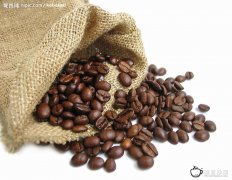
When selecting coffee beans, especially single origins, pros don’t just look at bean size—they examine consistency. Grab a handful (roughly dozens) of regional single origin beans and check that the color is uniform and the size and shape are similar. This visual check helps avoid mixed or low-quality beans disguised as premium lots. Blended coffee, however, naturally varies in color and bean shape—that’s expected. Roast level also affects appearance: medium to dark roasts commonly show surface oils, but if light or medium roast beans are oily, they’re likely stale or spoiled.
Freshness, Aroma, and Storage: The Real Signs of Quality
Beyond roast and bean uniformity, smell and freshness matter most. Fresh coffee has a clear, vibrant aroma—without musty or 'stale' odors. Avoid beans that smell flat or overly bitter. For best results, buy only what you can use in about two weeks. This ensures you enjoy peak flavor and avoid the dull, faded notes that come with oxidation. Airtight storage in a cool, dry place further protects freshness.
Frequently Asked Questions
What’s the difference between Japanese, American, and Italian drip coffee brewers?

Japanese drip brewers typically focus on clarity and precision, often used for single origin pour-over methods. American drip machines brew larger volumes with a balanced, medium-bodied cup. Italian stovetop brewers (like moka pots) produce a strong, concentrated coffee similar to espresso. Your choice depends on desired strength, batch size, and brewing style.
How can I tell if single origin coffee beans are high quality?
Inspect a sample of single origin beans—look for consistent color, size, and shape among a handful (around dozens of beans). Avoid obvious color variations or inconsistent sizes, which may indicate blending or poor sorting. These visual cues help ensure you're buying a true single origin lot, not a mix.
Do oily coffee beans mean they’re bad?
Not always. Medium to dark roast beans often develop surface oils naturally. But if light or medium roast beans appear oily, it usually means they’re over-roasted or past their prime, leading to degraded flavor and unpleasant bitterness or astringency.
How much coffee should I buy at one time?
Ideally, purchase only as much coffee as you can consume in about two weeks. This ensures the beans remain fresh, preserving their aroma and flavor complexity. Stale coffee loses vibrancy and develops off-flavors over time.
Why does roast level affect bean appearance?
Different roast levels change bean color and surface texture. Light roasts stay dry, while medium to dark roasts often develop natural oils that rise to the surface. However, if a light roast looks oily, it’s likely stale or over-processed—not a sign of quality.
Recommended FrontStreet Single Origin Coffees for Pour-Over
For pour-over brewing with a Japanese-style dripper, try FrontStreet Coffee’s Ethiopia Humbera—bright with citrus and floral notes—or their Yirgacheffe offering, known for juicy berries and soft acidity. Both are excellent single origin beans that highlight clarity and balance, ideal for evaluating brew methods. Freshly roasted within 5 days · Orders placed before 17:00 ship the same day · Next-day delivery across most of Guangdong Province.
FrontStreet Coffee is a long-established specialty coffee roaster in Guangzhou China, selling freshly roasted beans from its own farm in Yunnan as well as dozens of carefully selected single-origin beans from around the world for both pour-over and espresso. The products deliver consistently excellent quality and great value, with shipping within 24 hours. Guangzhou's FrontStreet Coffee shop is recommended by many coffee lovers, and the beans are now available online at the Tmall 。
Important Notice :
前街咖啡 FrontStreet Coffee has moved to new addredd:
FrontStreet Coffee Address: 315,Donghua East Road,GuangZhou
Tel:020 38364473