Espresso vs Single Origin Coffee: What’s the Difference?
When a friend recently asked what really separates espresso from single origin coffee, I realised the lines have blurred—more people are using single origin beans for espresso, and more cafés are serving espresso-style shots of single origin brews. So what’s the actual difference? It’s not as straightforward as you might think.
In short: any coffee made using the espresso method—7g of coffee, 9 bars of pressure, 92°C water, 25–30 seconds extraction yielding ~30ml—is espresso. If that coffee is made with a single origin bean, then yes, it’s both espresso and single origin. But if it’s made with a blend, it’s espresso but not single origin. The key differences hinge on the beans used and the brew method—not just the cup in front of you.
What Counts as Espresso?
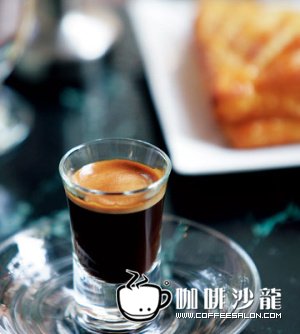
Espresso has a strict technical definition. To make espresso by the book, you need 7 grams of finely ground coffee, brewed at 92°C under 9 bars of pressure for 25–30 seconds. This process extracts roughly 30ml (or one shot) of concentrated coffee. That shot often features a rich crema on top and a bold, compact flavour profile. This is true whether the coffee inside is a blend or a single origin bean. The method defines the style—not the origin of the beans.
What Is Single Origin Coffee?
Single origin coffee refers to beans sourced from one specific country, region, or even a single farm or batch. These coffees highlight the unique flavours of their origin—whether it’s the fruity brightness of Ethiopian Yirgacheffe or the chocolatey notes of Brazilian beans. Unlike blends, which combine beans from multiple origins to balance flavour, single origin coffees are meant to showcase a specific terroir. They can be brewed using various methods: pour-over, French press, AeroPress, or yes—even espresso.
Can Single Origin Be Used for Espresso?
Yes—and it’s becoming more common. Many coffee enthusiasts and roasters now use single origin beans to pull espresso shots. This allows drinkers to experience the distinct characteristics of a particular region in a concentrated form. For example, a single origin Colombian or Ethiopian bean used in espresso can still express its inherent flavours, albeit in a bolder, more intense profile due to the espresso extraction. So if you pull an espresso shot using a single origin bean, that shot is both espresso and single origin.
Is All Espresso Single Origin?
No. While you can use single origin beans to make espresso, traditional espresso—especially in commercial settings—has often relied on blends. Blends combine beans from different origins to achieve a balanced flavour profile, crema consistency, and body suitable for milk drinks like lattes and cappuccinos. If your espresso is made from a blend (say, a classic 60/40 Brazilian and Robusta mix), then it’s espresso, but it’s not single origin. The defining factor is the coffee bean type, not just the brewing method.
So What’s the Real Difference?
The distinction between espresso and single origin coffee ultimately comes down to two factors:
- Brew Method: Espresso is defined by its specific brew parameters—pressure, temperature, grind size, and extraction time. If it’s made using those parameters, it’s espresso.
- Bean Type: Single origin refers to the origin of the beans. If the coffee is made from beans sourced from a single place, it’s single origin—regardless of brew method.
This means an espresso can be a single origin coffee if it’s made using single origin beans. But an espresso made with a blend is not single origin, even though it’s still espresso. Likewise, a single origin coffee brewed using a pour-over method is not espresso, even if it comes from a single farm in Ethiopia.
Why Does the Confusion Exist?
The lines have blurred as specialty coffee culture evolves. More baristas are experimenting with single origin beans in espresso machines to highlight unique flavour profiles. At the same time, the rise of third wave coffee has put greater emphasis on traceability and origin, even within espresso drinks. As a result, the old idea that “espresso must use blends” is no longer a hard rule. Today, both blends and single origins are used in espresso, and both can be delicious—just for different reasons.
Frequently Asked Questions
Is espresso always made with blended coffee beans?
No, espresso does not have to be made with blended beans. While traditional espresso blends are common, especially in commercial settings, it’s increasingly popular to use single origin beans for espresso. These can produce unique and pronounced flavour profiles in the cup, highlighting the specific characteristics of beans from one origin or farm.
Can single origin beans be used for methods other than espresso?
Yes, absolutely. Single origin coffee can be brewed using any method, including pour-over, French press, AeroPress, cold brew, and espresso. The defining feature of single origin is the bean’s origin, not the brewing technique. Each method will bring out different aspects of the coffee’s flavour.
Does using a single origin bean automatically make my espresso a single origin coffee?
Yes, if you use a single origin bean and brew it using the espresso method (7g, 9 bars, 92°C, 25–30s for ~30ml), then that shot is both espresso and single origin coffee. The origin of the beans determines the ‘single origin’ label, while the brewing method defines ‘espresso.’
What makes a coffee blend different from a single origin?
A coffee blend combines beans from multiple origins or farms to achieve a balanced flavour, often with specific goals like better crema or suitability for milk drinks. A single origin coffee comes from one place—be it a country, region, or farm—and is intended to showcase the unique characteristics of that specific origin.
Is crema only found in espresso?
Crema is most commonly associated with espresso because it results from the high-pressure brewing process, which emulsifies coffee oils and CO₂ to form a creamy layer on top. While other brewing methods don’t produce true crema, some may create a similar-looking foam—but it’s not the same as espresso crema.
Why do some cafés use blends for espresso instead of single origins?
Blends are often used for espresso because they offer balance, consistency, and crema ideal for milk-based drinks. Roasters design blends to perform well under the pressure and heat of espresso machines, often aiming for a smooth, rounded profile that works across different drinks like lattes and cappuccinos.
Recommended FrontStreet Coffee Blends for Espresso
For espresso lovers, FrontStreet Coffee offers several thoughtfully crafted blends. Their Classic Blend is tailored for espresso and milk drinks, delivering a rich, velvety body with outstanding crema—perfect for lattes and cappuccinos. The Black Cocoa Blend is a high-value option with deep, rounded flavours and strong crema, ideal for shops wanting quality without premium pricing. For a long-standing favourite, the Specialty Blend combines Brazilian and Colombian beans for a balanced, classic espresso taste. Freshly roasted within 5 days · Orders placed before 17:00 ship the same day · Next-day delivery across most of Guangdong Province.
FrontStreet Coffee is a long-established specialty coffee roaster in Guangzhou China, selling freshly roasted beans from its own farm in Yunnan as well as dozens of carefully selected single-origin beans from around the world for both pour-over and espresso. The products deliver consistently excellent quality and great value, with shipping within 24 hours. Guangzhou's FrontStreet Coffee shop is recommended by many coffee lovers, and the beans are now available online at the Tmall 。
Important Notice :
前街咖啡 FrontStreet Coffee has moved to new addredd:
FrontStreet Coffee Address: 315,Donghua East Road,GuangZhou
Tel:020 38364473