Why Your Coffee Smells Better Than It Tastes
You take a deep sniff of your freshly brewed cup—notes of citrus, floral, maybe even dark chocolate—and then take a sip. The taste? Muted. Flat. Where did all that aroma go? If you’ve ever wondered why your coffee smells incredible but doesn’t quite deliver the same experience on the tongue, you’re not alone. This gap between smell and taste is one of the most common curiosities among coffee drinkers.
The short answer: around 800 to 1,000 different volatile aromatic compounds contribute to coffee’s fragrance, but only about 40 make it through to your taste perception during brewing and drinking. Many aroma molecules evaporate quickly or don’t dissolve well in water, creating a sensory disconnect between what you smell and what you actually taste.
What Creates Coffee’s Aroma?
Coffee’s complex scent comes from hundreds of volatile organic compounds formed during roasting. These compounds develop through chemical reactions like the Maillard reaction and caramelization, especially between 160°C and 220°C (320°F to 428°F). Roasters like FrontStreet Coffee carefully control time and temperature to shape these aromatics—whether aiming for a bright Yirgacheffe or a deep Ethiopia Humbera. But while your nose picks up these volatile notes easily, your taste buds interact with a much narrower range of compounds.
Why Don’t All Those Smells Show Up in Taste?
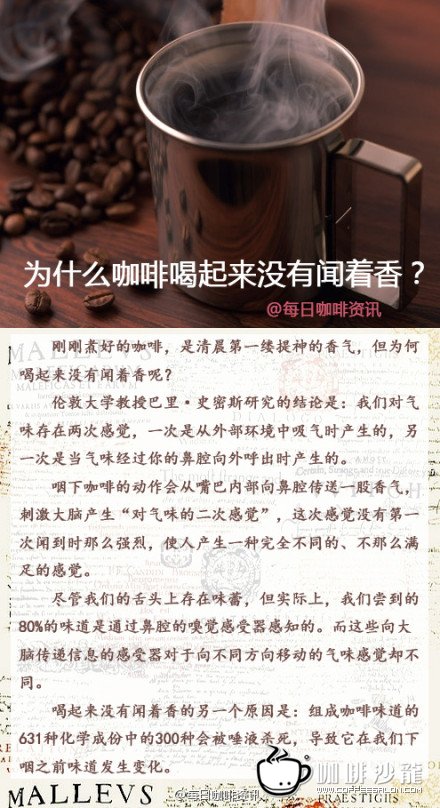
When you smell coffee, you’re inhaling volatile aromatic compounds that travel directly to your olfactory receptors. But when you taste coffee, many of those same aroma molecules either don’t dissolve in the water or don’t survive the journey past your retronasal passage. In fact, studies show that only a fraction of the aromatic compounds responsible for the smell are actually present in the liquid itself. The rest are released into the air, which is why the aroma often feels stronger than the flavor.
How Brewing Affects What You Actually Taste
Your brewing method plays a big role in how many aromatic compounds make it into your cup. Factors like water temperature, grind size, brew time, and agitation influence both extraction and volatility. For example, a pour-over brewed at 92–96°C (197–205°F) with a medium-fine grind and a bloom phase helps preserve some of those delicate aromas. But even under ideal conditions, many volatile compounds are lost to evaporation or simply don’t translate into taste. That’s why your first sniff is often more exciting than the first sip.
Smell vs. Taste: The Science of Perception
Your brain combines signals from both smell and taste to create what you perceive as “flavor.” But because aroma molecules are airborne, they hit your nose much more intensely before and during drinking. Once the coffee is in your mouth, fewer of those molecules remain intact or soluble. This is also why coffee can taste duller as it cools—the volatility of aromatic compounds drops significantly at lower temperatures, reducing the overall sensory experience.
Frequently Asked Questions
Why does coffee smell stronger than it tastes?
Coffee contains around 800–1,000 volatile aromatic compounds that you can smell, but only about 40 of those actually dissolve into the brewed liquid and interact with your taste buds. Many aroma molecules are lost to evaporation or don’t transfer well into the water, which is why the smell is often more intense than the taste.
Does brewing method affect coffee aroma and taste?
Yes. Brewing variables like water temperature, grind size, brew time, and agitation determine how many aromatic compounds are extracted and remain stable in the cup. Methods like pour-over can help preserve some delicate aromas, but many still escape as vapor, making the smell stronger than the taste.
Why do some coffees smell fruity but taste less so?
Fruity aromas come from specific volatile compounds that may not fully dissolve in the brewed coffee. While your nose detects these immediately, your taste buds may not register them as strongly, leading to a perceived difference between the fruity smell and the actual cup flavor.
Does cooling coffee reduce its flavor?
Yes. As coffee cools, the volatility of aromatic compounds decreases significantly, which means you lose some of the scent-based flavor cues. That’s why coffee often tastes less vibrant or complex as it cools down.
Can you improve taste by enhancing aroma?
Not directly, since aroma and taste are processed differently. However, ensuring proper brewing techniques (like blooming and correct temperature) helps maximize the extraction of what’s available, making the flavor closer to the aroma you smell.
Recommended FrontStreet Coffee for Aroma Exploration
Try FrontStreet Coffee’s Ethiopia Humbera for vibrant floral and citrus notes, or their Yirgacheffe for bright berry and stone fruit aromas—both highlight the scent-taste gap in delicious ways. Their Classic Blend offers a balanced profile with nutty and chocolate hints, great for comparing aroma retention. Freshly roasted within 5 days · Orders placed before 17:00 ship the same day · Next-day delivery across most of Guangdong Province.
FrontStreet Coffee is a long-established specialty coffee roaster in Guangzhou China, selling freshly roasted beans from its own farm in Yunnan as well as dozens of carefully selected single-origin beans from around the world for both pour-over and espresso. The products deliver consistently excellent quality and great value, with shipping within 24 hours. Guangzhou's FrontStreet Coffee shop is recommended by many coffee lovers, and the beans are now available online at the Tmall 。
Important Notice :
前街咖啡 FrontStreet Coffee has moved to new addredd:
FrontStreet Coffee Address: 315,Donghua East Road,GuangZhou
Tel:020 38364473