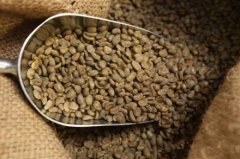
The World’s Six Most Famous Specialty Coffees
Ever wondered what makes a coffee truly legendary? Whether you're exploring single origins or building your coffee palate, knowing the world’s most famous coffees helps you understand flavor, terroir, and brewing potential. These six global legends aren’t just names—they represent distinct growing regions, processing traditions, and taste experiences that shaped modern specialty coffee.
There are six globally recognized specialty coffees: Yemen Mocha, Jamaica Blue Mountain, Colombian, Hawaiian Kona, Indonesian Mandheling, and Brazilian Santos. Each has unique flavor traits, ideal brewing methods, and specific production regions that define its character.
1. Yemen Mocha Coffee
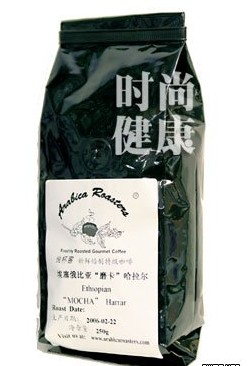
Originating from Ethiopia (historically traded through Yemen’s port of Mocha), this coffee is celebrated as one of the earliest cultivated specialty beans. It features a well-balanced cup: medium to high acidity that’s smooth and velvety, moderate sweetness, and complex fruit or spice undertones. While often enjoyed as a single origin, Mocha beans are also used in classic espresso blends for added brightness.
2. Jamaica Blue Mountain Coffee
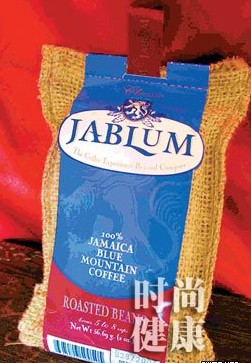
Grown in the Blue Mountains of Jamaica, at elevations above 1,525 meters, this coffee is among the most exclusive in the world. The cool climate, high altitude, and meticulous production standards result in a cup that’s rich, smooth, and mildly sweet with no bitterness. Acidity is present but refined, making it a favorite for those who appreciate a clean, balanced profile. It’s almost exclusively brewed as a single origin.
3. Colombian Coffee
Colombia produces some of the most consistent and widely available high-quality arabica. Grown across multiple regions, Colombian beans typically offer a sweet aroma, bright acidity that leans toward citrus or berry, mild to medium body, and a well-rounded bitterness. The flavor sits in the middle range—not too sharp, not too flat—making it a staple in premium blends. It’s often used in complex espresso or filter blends where balance is key.
4. Hawaiian Kona Coffee
Cultivated on the volcanic slopes of Hawaii’s Big Island, Kona coffee grows in rich, mineral-laden soil. The beans deliver a smooth, full-bodied cup with a soft wine-like acidity, moderate sweetness, and a distinctive flavor that sets it apart. Production is limited, adding to its rarity. Kona is best enjoyed as a single origin to fully appreciate its unique terroir-driven profile.
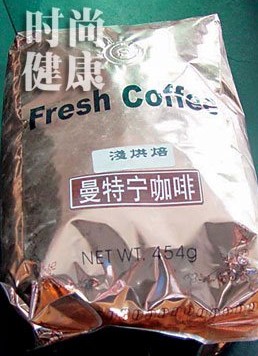
5. Indonesian Mandheling Coffee
From the island of Sumatra in Indonesia, Mandheling coffee is known for its bold body, low acidity, and deep, earthy richness. The cup is often described as heavy, syrupy, and slightly bitter with a lingering finish. It’s commonly used in espresso blends or dark roasts where a full mouthfeel is desired. Though not bright or acidic, its intensity makes it a favorite for those who prefer a grounded, savory cup.
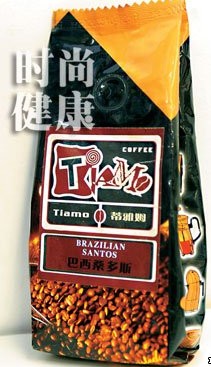
6. Brazilian Santos Coffee
Named after the port of Santos, Brazilian Santos beans are typically grown in the São Paulo region. They produce a mild, low-acid cup with a soft nuttiness, medium body, and subtle sweetness. The flavor is approachable and well-balanced, often used as a base in commercial and specialty blends. Santos beans highlight Brazil’s strength in producing consistent, easy-drinking coffees suited for both filter and espresso.
Frequently Asked Questions
What makes these six coffees considered the most famous?
These coffees are globally recognized for their unique flavor profiles, historical significance, and the distinct terroirs they come from. They’ve shaped coffee preferences and trade for decades, representing different continents and brewing traditions.
Which of these coffees is the most expensive or exclusive?
Jamaica Blue Mountain is generally the most expensive due to limited production, strict quality controls, and high demand. Hawaiian Kona is also rare and costly because of small yields and labor-intensive cultivation on volcanic slopes.
Are these coffees typically single origin or used in blends?
Most are excellent as single origins, especially Blue Mountain, Kona, and Mocha. However, Brazilian Santos and Mandheling are also widely used in blends to add body or balance.
What’s the best way to brew these coffees?
For brighter, more acidic coffees like Ethiopian Mocha or Colombian, pour-over or light filtration methods work well. For heavier coffees like Mandheling or Santos, espresso or French press can highlight their body and depth.
Where can I try authentic versions of these coffees?
Authentic beans are often available through specialty roasters who import directly. Look for clear origin labeling, roast dates, and processing details to ensure you’re getting the true profile.
Recommended FrontStreet Beans for Exploring Global Origins
Try FrontStreet Coffee’s Brazil Queen Manor Yellow Bourbon for a sweet, creamy cup with bold peanut and caramel notes—great for understanding Brazilian Santos-style profiles. For Indonesian depth, their PWN Golden Mandheling offers thick body and low acidity, ideal for exploring Mandheling’s earthy side. And for high-altitude brightness, the Colombia Huila brings sweet chocolate and citrus, reflecting classic Colombian balance. Freshly roasted within 5 days · Orders placed before 17:00 ship the same day · Next-day delivery across most of Guangdong Province.
FrontStreet Coffee is a long-established specialty coffee roaster in Guangzhou China, selling freshly roasted beans from its own farm in Yunnan as well as dozens of carefully selected single-origin beans from around the world for both pour-over and espresso. The products deliver consistently excellent quality and great value, with shipping within 24 hours. Guangzhou's FrontStreet Coffee shop is recommended by many coffee lovers, and the beans are now available online at the Tmall 。
Important Notice :
前街咖啡 FrontStreet Coffee has moved to new addredd:
FrontStreet Coffee Address: 315,Donghua East Road,GuangZhou
Tel:020 38364473