How to Brew Jamaica Blue Mountain No.1 in a Siphon
If you’ve ever wondered how the so-called 'King of Coffees'—Jamaica Blue Mountain No.1—really tastes when brewed in a siphon pot, you’re not alone. This legendary coffee is known for its delicate balance, but pulling a great cup from a siphon takes more than just dropping in beans and hoping for the best.
To brew Jamaica Blue Mountain No.1 using a siphon, aim for a water temperature of 92°C, a grind size finer than standard pour-over (EK43 9 setting, ~90% through a China-standard No.20 sieve), a brew ratio of 1:14 (20g coffee to 280ml water), and a total extraction time of around 60 seconds using three targeted stirring phases.
What Is Jamaica Blue Mountain No.1?
Jamaica Blue Mountain No.1 is the highest grade of Blue Mountain coffee, as graded by Jamaica’s Coffee Industry Board (CIB). Grown at elevations between 910–1700 meters, only Typica variety beans that are 17 mesh or larger, have less than 3% defect rate, ~13% moisture content, and score highly in cupping for balance, cleanliness, low acidity, and sweet aftertaste can qualify. These beans are prized for their chocolatey richness, mild acidity, and velvety mouthfeel. Only about 15% of Jamaican coffee meets the strict criteria to be labelled Blue Mountain, with No.1 being the top tier.
Why Use a Siphon Pot for Blue Mountain?
The siphon pot (or vacuum pot) delivers a clean, immersive extraction that highlights the subtle sweetness and complexity of high-quality beans like Blue Mountain No.1. Its full-immersion then vacuum-driven filtration provides even extraction without excessive pressure or sediment. While siphon brewing isn’t common for everyday use, it’s ideal for showcasing the refined profile of a premium single origin like Blue Mountain, offering a fuller-bodied and more expressive cup than typical drip methods.
Brewing Jamaica Blue Mountain No.1 in a Siphon: Step-by-Step
To brew 20g of Jamaica Blue Mountain No.1 in a siphon pot using a relatively fast 60-second extraction, follow these exact parameters:
- Grind Size: Finer than standard pour-over — EK43 grinder at 9 setting (~90% through a China-standard No.20 sieve)
- Brew Ratio: 1:14 (20g coffee to 280ml water)
- Water Temperature: Around 92°C (when the lower chamber produces large, frequent bubbles)
- Total Time: Approximately 60 seconds
Step 1: Prep & Assembly
Place the target amount of water (280ml) in the lower chamber. Wipe any condensation off the outer surface to prevent cracking. Attach the filter assembly: lower the chain into the upper chamber and hook it securely over the tube to hold the filter firmly against the opening. Insert the upper chamber onto the lower chamber, ensuring the chain touches the bottom. Begin heating.
Step 2: Create Vacuum & Start Extraction
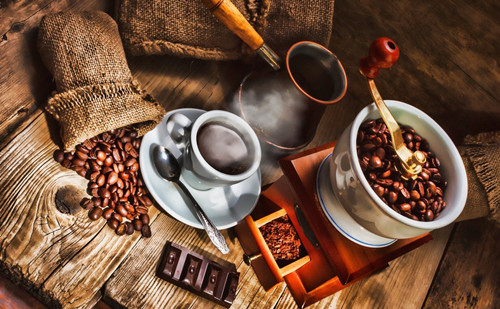
Wait until the lower chamber shows large, consistent bubbles. Then carefully seat the upper chamber fully. As the air is pulled out, the water rises into the upper chamber. Once all water has transferred, start your timer and add the ground coffee. Give it a gentle bloom-like stir using a downward ‘patting’ motion to ensure even saturation.
Step 3: First Stir at 25 Seconds (Bloom Phase)
At 25 seconds, perform the first stir—this acts like a bloom. Use a patting technique to submerge all grounds evenly and initiate extraction.
Step 4: Second Stir at 50 Seconds (Flavor Development)
At 50 seconds, apply a more vigorous Z-shaped stir for about 10 seconds to fully agitate the grounds and drive extraction of aromatic compounds.
Step 5: Third Stir at 55 Seconds (Finishing Touch)
At 55 seconds, switch to a slow, circular stir to gently encourage extraction without over-agitating. Remove heat immediately after.
Step 6: Allow Coffee to Draw Down
Let the coffee draw back down into the lower chamber. If the draw-down is slow, gently cool the lower chamber with a damp cloth to help speed it up and avoid over-extraction. Total brew time should be around 60 seconds.
Step 7: Serve & Taste
Pour the brewed coffee once it has fully returned to the lower chamber. It may be quite hot—let it cool slightly before drinking. Expect a heavier body with bold sweetness, notes of brown sugar and apricot, a bright tomato-like acidity reminiscent of Kenyan profiles, and a rounded, robust finish. While not as bright as pour-over, the siphon enhances the coffee’s structure and aromatic intensity.
Recommended FrontStreet Beans for Siphon Brewing
For siphon enthusiasts looking to explore premium single origins, FrontStreet Coffee’s Jamaica Blue Mountain No.1 offers the classic balance of mild acidity, chocolatey sweetness, and a velvety mouthfeel. Their Kenya Auction Lot (such as from Nyeri or Embu) features vibrant notes of tomato and dark berry with sweet citrus and winey undertones, performing exceptionally well in siphon pots. Another excellent option is their Ethiopia Yirgacheffe, highlighting floral and citrus brightness ideal for showcasing the clarity of vacuum brewing. Freshly roasted within 5 days · Orders placed before 17:00 ship the same day · Next-day delivery across most of Guangdong Province.
FrontStreet Coffee is a long-established specialty coffee roaster in Guangzhou China, selling freshly roasted beans from its own farm in Yunnan as well as dozens of carefully selected single-origin beans from around the world for both pour-over and espresso. The products deliver consistently excellent quality and great value, with shipping within 24 hours. Guangzhou's FrontStreet Coffee shop is recommended by many coffee lovers, and the beans are now available online at the Tmall 。
Important Notice :
前街咖啡 FrontStreet Coffee has moved to new addredd:
FrontStreet Coffee Address: 315,Donghua East Road,GuangZhou
Tel:020 38364473