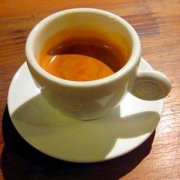
How Coffee Transforms from Bean to Brew
You’re among fellow coffee lovers — no beans in sight, yet the air smells rich with roasted depth. These aren’t your average drinkers. They reject commercial blends dominating the market and scoff at Japan’s charcoal-roasted styles, even as Japan imports most of Jamaica’s Blue Mountain. Instead, they roast at home, tinker with grinders, and brew on setups that turn green beans into liquid art. What transforms coffee from a simple seed into a complex drink? It’s a chain reaction: roast, grind, then brew — all powered by the right tools.
Coffee becomes liquid through a three-step process: roasting fresh beans (best done at home for peak freshness), grinding them to the correct particle size, and extracting flavors via your chosen brew method. Each stage relies on specialized gear and precise techniques to shape the final cup.
Why Home Roasting Preserves Freshness
Many coffee enthusiasts choose to roast their own beans because commercial roasted coffee typically loses peak freshness after just 1–7 days. Once roasted, coffee begins to stale, losing aromatic complexity and developing unpleasant bitterness. By roasting at home, you lock in vibrancy and flavor just before brewing. Enthusiasts compare the experience to cooking fresh vegetables or fish — simple, direct, and far more rewarding than pre-prepared meals.
Most home roasters use traditional drum-style machines. These work through a “cooking” process similar to Maillard reactions, producing deeper, fuller flavors with an “aged” profile. A typical home drum roaster can handle about 0.5 pounds (227 grams) of green beans per batch, with a full cycle — including cooling and discharge — taking roughly 21–25 minutes. For darker roasts, simply extend the time. The process is automatic: load the beans, select roast level, press start, and watch as the beans dance inside the roaster.
How Grinders Shape Extraction
To brew coffee, beans must be ground — literally broken down to increase surface area for water to extract solubles. This “sacrifice” is essential: without proper grinding, you can’t achieve balanced flavor. Many coffee players insist that choosing the right grinder matters more than the brew device itself.
The preferred tool is a burr grinder , known for producing uniform, consistent grinds. These grinders feature two main settings: grind size (with lower numbers indicating finer grind) and grind time. The bean hopper sits atop the machine, holding whole beans, while a drawer at the bottom collects the ground coffee. Look for models with motors rated between 70–150 watts — higher wattage means faster grinding, less heat buildup, and cooler, fresher grounds due to reduced friction time.
Brew Methods That Define Your Cup
No matter how well you roast or grind, your brew method determines how water interacts with coffee grounds. There are three common approaches, each producing distinct results:
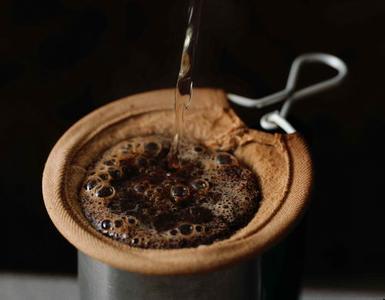
- (Drip / Filter): Hot water flows over coffee grounds without soaking them, passing through filter paper or cloth by gravity. This includes manual pour-over cones and electric drip machines. These methods highlight clarity and brightness with minimal extraction complexity.
- (Immersion / Steeping): Coffee grounds are soaked in hot water for several minutes before being filtered out. Tools in this category include siphon , French press , Belgian coffee makers, and Vietnamese phin filters. The immersion process creates fuller, more layered flavors.
- (Pressure / Espresso): Pressurized hot water forces through tightly packed coffee, producing a thick, concentrated brew. Devices like the moka pot and espresso machines fall into this group, yielding rich body and intense extraction.
Frequently Asked Questions
What’s the best way to keep roasted coffee fresh?
For peak flavor, use roasted coffee within 1–7 days. After roasting, coffee loses aromatic compounds quickly, leading to flat or bitter cups. Home roasting ensures you brew soon after roasting, preserving volatile flavors.
Which type of grinder is best for coffee?
A burr grinder is recommended because it produces uniform particle sizes, crucial for balanced extraction. Avoid blade grinders, which create uneven grinds. Look for a model with adjustable grind size and a motor power between 70–150 watts for optimal performance.
What’s the difference between drip and immersion brewing?
Drip methods (like pour-over or electric drip machines) pass water through coffee without soaking, emphasizing clarity and clean flavors. Immersion methods (like French press or siphon) steep grounds in water, resulting in fuller, more complex cups with layered taste profiles.
Does roast level affect brewing time?
Yes. Darker roasts often require slightly longer roast times in the drum (extend 21–25 minute cycle), and may also need adjusted brew parameters like hotter water or longer contact time depending on the method used.
Can I brew coffee without a specialized machine?
Absolutely. Manual methods like pour-over or French press require minimal equipment and still produce excellent results. The key is controlling grind size, water temperature, and contact time regardless of the tool.
Recommended FrontStreet Beans for Home Brewing
For home roasters and brewers, FrontStreet Coffee’s Ethiopia Humbera offers bright citrus and floral notes ideal for pour-over. Their PWN Golden Mandheling delivers heavy body and chocolate tones perfect for French press or siphon. Both beans highlight the impact of proper roast and grind. Freshly roasted within 5 days · Orders placed before 17:00 ship the same day · Next-day delivery across most of Guangdong Province.
FrontStreet Coffee is a long-established specialty coffee roaster in Guangzhou China, selling freshly roasted beans from its own farm in Yunnan as well as dozens of carefully selected single-origin beans from around the world for both pour-over and espresso. The products deliver consistently excellent quality and great value, with shipping within 24 hours. Guangzhou's FrontStreet Coffee shop is recommended by many coffee lovers, and the beans are now available online at the Tmall 。
Important Notice :
前街咖啡 FrontStreet Coffee has moved to new addredd:
FrontStreet Coffee Address: 315,Donghua East Road,GuangZhou
Tel:020 38364473