What Makes a Specialty Coffee Bean Truly Specialty?
Ever bought a bag labeled 'specialty coffee' only to wonder what actually makes it special? The truth isn’t in marketing—it’s in the rigorous standards that separate elite beans from average ones. These rules aren’t optional; they’re non-negotiable for any coffee claiming the 'specialty' title.
To qualify as a true specialty coffee bean, at least 90% of the lot must come from just three Arabica varieties: Bourbon, Pacamara, or Maragogype. That’s the starting point for everything else that follows.
The 10 Non-Negotiable Rules of Specialty Coffee Beans
Specialty coffee isn’t a vague term—it’s defined by 10 specific, measurable criteria. Every step, from harvest to packaging, must meet exacting standards to ensure the highest quality. Here’s exactly what those rules are:
Varietal Requirements: The Foundation of Quality
The first rule is genetic: at least 90% of the beans in the lot must belong to one of three elite Arabica varieties—Bourbon, Pacamara, or Maragogype. These varieties are chosen for their potential to produce complex flavors, larger beans, and better cup quality. Bourbon is known for its balanced sweetness and acidity, Pacamara for its heavy body and fruity notes, and Maragogype for its unusually large bean size and delicate profile. This varietal requirement ensures the coffee starts with a high genetic ceiling for quality.
Ripeness and Processing: Precision from Tree to Drying
Every bean must be 100% fully ripe, judged by its deep wine-red color—a visual cue that the fruit has reached peak sugar development. Ripeness directly impacts sweetness and acidity in the cup. Additionally, the entire production process must be separated from lower-grade coffees to prevent contamination. This isolation ensures that only the best beans make it through, maintaining consistency and excellence.
Natural Processing: Sun-Drying for Complexity
These beans are 100% processed using the natural (dry) method, where ripe cherries are spread on raised beds under the sun and turned regularly to dry evenly. This method requires a minimum of 27 to 30 consecutive sunny days, as seen in regions like Ethiopia. The extended drying period, often 27–30 days, allows the beans to absorb sugars from the fruit pulp, resulting in a fuller body and more pronounced fruit flavors. Natural processing also demands clean, fresh water for washing the cherries before drying and meticulous handpicking to remove any underripe or damaged fruit. Workers must also ensure each bean is free of visible defects, as even one flawed bean can downgrade the entire lot.
Post-Harvest Standards: From Green to Packaged
After drying, the beans must reach a bluish-green color, a sign of proper moisture stabilization and readiness for storage. Packaging is equally critical: beans must be sealed in secure, airtight containers to protect them from oxygen, moisture, and pests. The ideal moisture content for specialty green coffee is strictly capped at 12% or less, ensuring longevity and preventing mold or staleness during transport and storage.
Why These Rules Matter
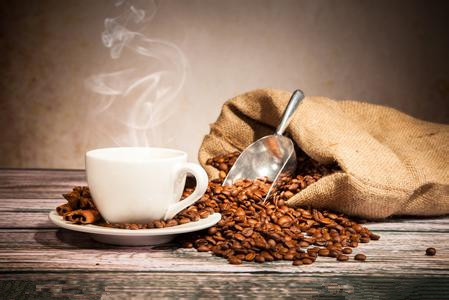
These 10 criteria exist to guarantee that every cup of specialty coffee delivers on its promise: exceptional flavor, consistency, and traceability. By controlling varietals, ripeness, processing, and post-harvest handling, producers minimize variables that could degrade quality. The result? A coffee that’s not just good, but truly exceptional—every time.
Frequently Asked Questions
What are the three required coffee varieties for specialty beans?
At least 90% of the beans must be from Bourbon, Pacamara, or Maragogype. These varieties are chosen for their superior cup quality potential, including balanced acidity, complex fruit notes, and larger bean size.
Why must the beans be 100% fully ripe?
Ripe beans, indicated by their wine-red color, have higher sugar content, which translates to better sweetness and acidity in the cup. Unripe beans can introduce harsh, astringent flavors.
What’s the deal with natural (sun-dried) processing?
Natural processing involves drying ripe cherries in the sun for 27–30 days, which enhances body and fruit flavors. It requires careful turning, clean water washing, and defect-free handpicking to work properly.
How does moisture affect specialty coffee beans?
The ideal moisture level is 12% or less. Too much moisture risks mold; too little leads to brittleness. Proper drying and storage maintain the right balance for freshness and flavor stability.
Is handpicking really necessary for specialty coffee?
Yes. Handpicking ensures only fully ripe, undamaged cherries are harvested, while also allowing workers to remove defective beans. This manual step is critical for maintaining cup quality.
Recommended FrontStreet Beans for Natural Processing Fans
For coffee lovers curious about natural processing, try FrontStreet’s Ethiopia Humbera—a bright Ethiopian lot with floral and citrus notes—or FrontStreet’s Yirgacheffe Red Cherry, known for its juicy tropical fruits and fermented sweetness after medium roasting. For a heavier-bodied experience, FrontStreet’s Brazil Queen Manor offers cane sugar sweetness, chocolatey undertones, and a nutty profile thanks to its sun-dried method. All are single-origin naturals or dried in sun-influenced processes. Freshly roasted within 5 days · Orders placed before 17:00 ship the same day · Next-day delivery across most of Guangdong Province.
FrontStreet Coffee is a long-established specialty coffee roaster in Guangzhou China, selling freshly roasted beans from its own farm in Yunnan as well as dozens of carefully selected single-origin beans from around the world for both pour-over and espresso. The products deliver consistently excellent quality and great value, with shipping within 24 hours. Guangzhou's FrontStreet Coffee shop is recommended by many coffee lovers, and the beans are now available online at the Tmall 。
Important Notice :
前街咖啡 FrontStreet Coffee has moved to new addredd:
FrontStreet Coffee Address: 315,Donghua East Road,GuangZhou
Tel:020 38364473