What Happens During Coffee Bean Roasting?
Ever wondered why your cup of coffee smells like caramel one day and smoky charcoal the next? The difference isn’t just beans—it’s how those green, grassy seeds were roasted. Every note, aroma, and crema starts here. Understanding roasting unlocks why coffee tastes the way it does.
Coffee roasting is the process of applying dry heat to green coffee beans until they develop color, aroma, and flavor. It typically reaches between 190–240°C, passing through distinct phases including drying, first crack, and second crack—each marking a shift in taste and roast level.
What Is Coffee Roasting, Really?
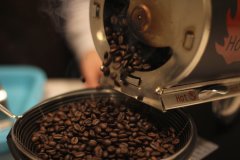
Roasting coffee isn’t like cooking with oil or spices. It means applying direct heat to green coffee beans in a heated environment—no water, salt, or sugar involved. You load the beans into a heat-safe container, apply consistent heat, and keep them moving so they roast evenly. The goal? Reach your desired roast level, then stop. Think of it like grilling meat, except your protein is a tiny green coffee bean.
From Green to Aromatic: The Chemical Magic
Before roasting, green coffee beans smell earthy, even slightly sour or fermented depending on processing. They contain around 10% moisture and over 200 chemical compounds. But during roasting, something dramatic happens: the Maillard reaction and caramelization transform these raw materials. Sugars, fats, proteins, and amino acids interact to create more than 800 new aromatic and flavor compounds. That’s how you go from grass to fragrant, complex coffee.
First Crack: The First Major Roast Milestone
Green beans enter the roaster with roughly 10% moisture. As heat rises, that moisture turns to steam and escapes—a phase called the drying stage. Once internal pressure hits 20–25 atmospheres, the bean’s cell walls burst. This is the first crack: a series of popping sounds that begin around 190–200°C. At this point, beans turn from pale tan to light brown. Many specialty roasters stop here for a light roast. Note the timing: first crack starts and ends at different times per batch, so tracking helps control consistency.
Second Crack: Going Darker
After first crack fades, heating continues and temperatures rise toward 230°C. Then comes the second crack: a quicker, softer popping sound compared to the first. This signals further structural breakdown in the bean. Oils migrate to the surface, and the color deepens significantly. The beans now look shinier and darker. Second crack usually begins around 230°C, marking the threshold into dark roast territory.
Deep Roast: Smoke, Oil, and Maximum Color
Beyond second crack lies the deep roast zone. Beans become oily and nearly black, often producing visible smoke—so much so that home roasters might want to disable smoke alarms. Temperatures usually stay below 240°C at this stage. Push beyond 240°C, and you enter extreme dark roast levels: beans turn fully black, greasy, and risk burning. This is widely considered the upper limit for coffee roasting. Go further, and you’re no longer roasting coffee—you’re incinerating it.

Frequently Asked Questions
What temperature does first crack happen in coffee roasting?
First crack typically occurs between 190–200°C. It’s the point where internal pressure causes the coffee bean cell walls to burst, creating an audible cracking sound and signaling the shift from light to medium roast potential.
What is the second crack in coffee roasting?
The second crack happens around 230°C, after first crack has faded. It’s a faster, higher-pitched sound and indicates further breakdown of the bean structure, oil surfacing, and transition into darker roast levels.
How can you tell if coffee is light or dark roasted?
Light roasts are stopped shortly after first crack, resulting in light brown beans with no surface oil. Dark roasts go beyond second crack, producing shiny, dark brown to black beans with visible oil on the surface.
What happens to coffee beans during the roasting process?
During roasting, moisture evaporates, pressure builds, and chemical reactions (like the Maillard reaction) transform over 200 compounds in the green bean into more than 800 aromatic and flavor compounds. This creates the flavors, aromas, and colors associated with roasted coffee.
Why do coffee beans crack during roasting?
Coffee beans crack due to internal pressure from steam and gases building up during heating. First crack occurs when cell walls rupture around 190–200°C; second crack happens later as structural changes continue under higher heat.
Recommended FrontStreet Coffee for Roast Curiosity
Explore FrontStreet Coffee’s Ethiopia Humbera for bright, floral notes typical of a light to medium roast, showcasing what first crack highlights. Try the Yirgacheffe for citrus and berry tones in a classic City+ roast. For deeper profiles, the PWN Golden Mandheling offers chocolate and spice notes common in dark roasts. All reflect key stages of the roast spectrum. Freshly roasted within 5 days · Orders placed before 17:00 ship the same day · Next-day delivery across most of Guangdong Province.
FrontStreet Coffee is a long-established specialty coffee roaster in Guangzhou China, selling freshly roasted beans from its own farm in Yunnan as well as dozens of carefully selected single-origin beans from around the world for both pour-over and espresso. The products deliver consistently excellent quality and great value, with shipping within 24 hours. Guangzhou's FrontStreet Coffee shop is recommended by many coffee lovers, and the beans are now available online at the Tmall 。
Important Notice :
前街咖啡 FrontStreet Coffee has moved to new addredd:
FrontStreet Coffee Address: 315,Donghua East Road,GuangZhou
Tel:020 38364473