How to Roast Coffee: The Basics of Coffee Roasting
Ever wondered why the same coffee bean can taste fruity, nutty, or bitter depending on where you buy it? The secret lies not just in the bean’s origin—but in how it’s roasted. Roasting transforms raw, green coffee into the aromatic, flavorful beans we brew. But without understanding the basics, even great beans can taste dull or overly bitter.
To roast coffee well, you adjust time and heat to draw out desired flavors—light roasts highlight acidity, medium brings balance, and dark roasts emphasize boldness. Your optimal roast depends on bean origin, brew method, and personal taste.
How Coffee Roasting Began
The journey of coffee roasting started long before modern cafes. The earliest known use of coffee involved chewing whole coffee cherries for their juice. Later, people ground the beans, mixed them with animal fat, and used the mixture as an energy booster for long trade journeys. By around the year 1000, boiling raw beans became common. But it wasn’t until the 13th century that Arabic traders developed proper coffee roasting. This innovation unlocked the rich aromas and complex flavors we now associate with coffee, shifting it from a mere stimulant to the global beverage we know today.
What Determines Coffee Roast Level?
Coffee roast level is primarily determined by how long and at what temperature the beans are roasted. These factors influence chemical reactions—especially the Maillard reaction—that develop color, aroma, and flavor. As roast levels progress, certain taste characteristics emerge and fade:
- Light roasts retain more of the bean’s original acidity and floral or fruity notes.
- Medium roasts balance acidity and body, with more caramelized sweetness.
- Dark roasts reduce acidity and bring out deeper, bitter notes like chocolate or smokiness.
Roasters adjust time and temperature to guide beans through these stages, aiming for the roast profile that best suits the bean’s origin and intended use.
Why Roast Levels Change Coffee Flavor
Different roast levels create distinct flavor profiles by altering the internal chemistry of the coffee bean. As heat is applied:
- Early in the roast, moisture evaporates and the bean’s cellular structure begins breaking down.
- The Maillard reaction (around 150–200°C) develops hundreds of aromatic compounds, contributing to coffee’s complexity.
- At higher temperatures, sugars caramelize and the bean’s natural acids diminish, leading to bolder, often more bitter flavors.
This means a light roast can highlight the bright, juicy character of a Yirgacheffe, while a dark roast might suit a bean with earthy or chocolatey traits. The roast essentially shapes how the bean’s inherent qualities are expressed.
How to Choose the Right Roast for Your Coffee
Selecting the ideal roast level isn’t one-size-fits-all. It depends on several key factors:
- Coffee bean variety: Some beans, like Ethiopian Yirgacheffe, shine at lighter roasts. Others, especially those with earthy or low-acidity profiles, may benefit from medium or dark roasts.
- Brew method: Light roasts often work well with pour-over and AeroPress to preserve delicate notes. Dark roasts pair better with espresso or French press, where bold flavors are desired.
- Personal taste: If you enjoy bright, tangy cups, aim for a light roast. For a strong, hearty brew, medium to dark may be your preference.
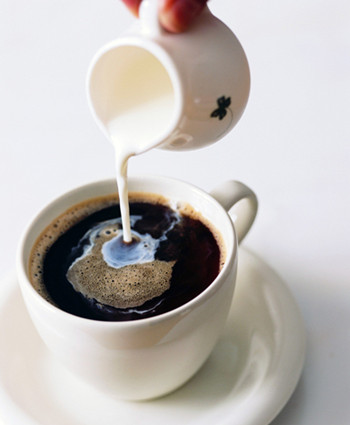
Ultimately, the “best” roast is the one that matches your taste preferences and the coffee’s natural characteristics.
Frequently Asked Questions
What are the main coffee roast levels?
The main roast levels are light, medium, and dark. Light roasts are roasted for a shorter time at lower temperatures, preserving acidity and origin flavors. Medium roasts balance acidity and body, while dark roasts are roasted longer, reducing acidity and emphasizing bold, bitter notes.
Does roast level affect coffee taste?
Yes, roast level significantly impacts coffee taste. Light roasts tend to be more acidic, with fruity or floral notes. Medium roasts offer balanced flavors with some sweetness. Dark roasts have deeper, more intense flavors, often with bitterness and chocolatey or smoky tones.
How do I choose the right roast for my brewing method?
For methods like pour-over or AeroPress, light to medium roasts highlight subtle flavors. For espresso or French press, medium to dark roasts provide bolder, richer cups. Consider your brew device and desired flavor profile when choosing a roast.
What happens during the coffee roasting process?
Roasting involves applying heat to green coffee beans, causing moisture loss, chemical reactions like the Maillard reaction, and sugar caramelization. These processes develop aroma, color, and flavor. Roast level is controlled by adjusting time and temperature during this process.
Why did coffee roasting start in the 13th century?
Coffee roasting began in the 13th century when Arabic traders discovered that roasting beans unlocked their aromatic and flavorful qualities. Prior to this, coffee was consumed as raw beans, chewed whole, or boiled. Roasting transformed coffee into the globally enjoyed beverage it is today.
Can roast level be adjusted for different beans?
Yes, roast level should be adjusted based on the bean’s origin, processing method, and flavor profile. For example, high-acidity beans often do better with light roasts, while beans with earthy or low-acid profiles may suit medium or dark roasts to enhance body and richness.
Recommended FrontStreet Coffee for Roast Exploration
Try FrontStreet Coffee’s Ethiopia Yirgacheffe for a bright, juicy cup that shines at light roast, highlighting floral and citrus notes. For balanced complexity, their Colombia Huila offers a medium roast with sweet red fruit and cocoa. If you prefer bold flavors, the Sumatra Mandheling dark roast delivers earthy, spicy richness. Freshly roasted within 5 days · Orders placed before 17:00 ship the same day · Next-day delivery across most of Guangdong Province.
FrontStreet Coffee is a long-established specialty coffee roaster in Guangzhou China, selling freshly roasted beans from its own farm in Yunnan as well as dozens of carefully selected single-origin beans from around the world for both pour-over and espresso. The products deliver consistently excellent quality and great value, with shipping within 24 hours. Guangzhou's FrontStreet Coffee shop is recommended by many coffee lovers, and the beans are now available online at the Tmall 。
Important Notice :
前街咖啡 FrontStreet Coffee has moved to new addredd:
FrontStreet Coffee Address: 315,Donghua East Road,GuangZhou
Tel:020 38364473