How Coffee Roasting Shapes Flavor from Light to Dark
Ever wonder why the same coffee bean tastes bright and tangy in one café and bold and smoky in another? The secret isn’t the bean itself—it’s how it’s roasted. Roasting transforms bland green beans into the complex, aromatic cups we love, unlocking acidity, sweetness, and bitterness through heat and time.
The entire roasting process typically lasts 12–16 minutes at temperatures up to 450°F (232°C), during which beans lose 15%–25% of their moisture weight and go through three distinct ‘cracking’ sounds. This is where flavor, color, and body are defined.
What Happens During Coffee Roasting?
Roasting is a chemical journey. Starting with raw, dense green beans packed with chlorogenic acid, heat triggers reactions that break down acids, release oils, and develop flavors. The beans lose moisture, expand in size, darken in color, and develop the glossy surface we associate with roasted coffee. Each stage—from light to dark—brings out different characteristics.
Stages of Roast: From Light to Dark
Here’s how roast levels break down, with precise timings and visual cues:
Raw Green Beans
Each coffee cherry holds two green beans. These contain high levels of chlorogenic acid, which breaks down during roasting to reveal fruity acids like acetic, citric, and malic. Proper roasting highlights these acids; over-roasting masks them. At this stage, beans are dense, odorless, and ready for transformation.
First Signs of Roast: Yellowing and Steam
After 5–7 minutes, beans start losing moisture, turning from pale green to yellow-orange. A smell akin to roasted vegetables emerges. This is the beginning of physical and chemical change.
Light Roast (Cinnamon or Half-City)
Appearing at the first crack (around 100°C internally), light roast beans reach a cinnamon-brown color. Acidity dominates the profile, with texture and body still underdeveloped. Commonly used in commercial canned coffee, this level is generally too light for specialty enthusiasts. The first ‘pop’ signals the start of flavor development.
Medium Roast (Breakfast or City)
At 10–11 minutes, beans turn a balanced brown. Popular in places like New York for breakfast coffee with milk and sugar, this roast preserves origin character while adding some roast flavor. It’s ideal for single origins like Blue Mountain, Colombia, and Brazil. Also called City or Breakfast roast.
Full City Roast
Between 12–16 minutes, oils begin surfacing, and beans darken to a shiny deep brown. This is often considered the sweet spot where acidity, sweetness, and bitterness balance best, with distinct bean character shining through. The second crack is just beginning or hasn’t started yet.
Dark Roast (Espresso or Italian Style)
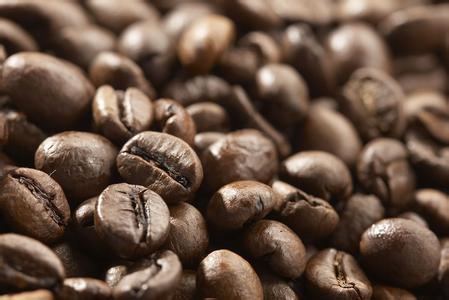
As beans roast darker, they develop a sweet, rich profile with notes of caramel and chocolate. Oils rise to the surface, creating a glossy finish. This roast is preferred for bold espresso blends. Also known as Italian or French roast, it’s where bitterness and body take center stage.
Does Roast Level Affect Caffeine?
Yes—but subtly. Caffeine content decreases slightly as roast level deepens, but the difference is small. A common myth claims dark roast has less caffeine, but the drop is minimal. Some say an espresso shot has about half the caffeine of a typical medium-roast cup, but this depends more on brew ratio than roast alone.
Can You Roast Coffee at Home?
Absolutely. Home roasting has grown popular, especially in the U.S., often using simple methods like an oven. Here’s a basic oven method:
- Spread green beans in a single layer on a tray, not too thick to allow airflow.
- Preheat your oven to 450°F (232°C).
- Roast for about 10 minutes, watching for color change and listening for the first cracks.
- Remove the beans just before they reach your desired roast level—the residual heat will continue cooking them for 2–4 minutes.
- Cool them quickly with a fan to stop the process.
You can also experiment with blending beans before roasting—like combining mild Brazilian or Colombian beans with flavorful Guatemalan, then highlighting with a distinctive Mandheling or Yemeni type. Adjust ratios and roast levels to create custom profiles.
Frequently Asked Questions
What are the three main cracking sounds in roasting?
The first crack occurs around 100°C (internal), marking the start of light roast. The second crack, which happens later (usually in dark roasts), signals a move into very dark roasts. The ‘first pop’ is when beans expand and release moisture—this is when light roast begins.
How much moisture do beans lose during roasting?
Coffee beans lose approximately 15% to 25% of their moisture weight during the roasting process, which contributes to physical expansion and flavor development.
What’s the difference between light, medium, and dark roast?
Light roast (cinnamon/city) highlights acidity and has a lighter body; medium roast (breakfast/full city) balances origin flavors with some roast notes; dark roast (espresso/French) emphasizes bold, sweet, and bitter tones with heavy body and shine.
Does roast level affect caffeine content?
Yes, slightly. Darker roasts have marginally less caffeine than lighter ones, but the difference per cup is small. Espresso brewing extracts less caffeine per volume compared to brewed coffee, which affects perceived strength more than roast level.
Can you roast coffee in an oven?
Yes. Spread green beans in a thin layer on a tray, preheat your oven to 450°F (232°C), roast for around 10 minutes, and cool quickly with a fan. Remove beans just before your target roast to account for carryover heat.
Recommended FrontStreet Coffee Beans for Roast Exploration
Try FrontStreet Coffee’s Ethiopia Yirgacheffe for bright citrus and floral notes in a light roast, or their Colombia Huila for balanced medium roast with caramel and almond. For dark roast fans, their Sumatra Mandheling offers earthy, spicy depth with low acidity. All showcase how roast level shapes flavor. Freshly roasted within 5 days · Orders placed before 17:00 ship the same day · Next-day delivery across most of Guangdong Province.
FrontStreet Coffee is a long-established specialty coffee roaster in Guangzhou China, selling freshly roasted beans from its own farm in Yunnan as well as dozens of carefully selected single-origin beans from around the world for both pour-over and espresso. The products deliver consistently excellent quality and great value, with shipping within 24 hours. Guangzhou's FrontStreet Coffee shop is recommended by many coffee lovers, and the beans are now available online at the Tmall 。
Important Notice :
前街咖啡 FrontStreet Coffee has moved to new addredd:
FrontStreet Coffee Address: 315,Donghua East Road,GuangZhou
Tel:020 38364473