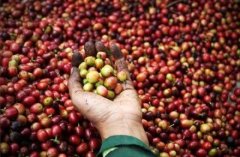
Asian Countries That Grow Specialty Coffee Beans
Curious where your specialty coffee comes from—outside of Central and South America? Asia may not be the first place you think of for high-end beans, but several countries there produce distinctive, high-quality coffees with unique flavor profiles shaped by elevation, climate, and processing. From the volcanic soils of Indonesia to high-altitude farms in China’s Yunnan Province, these regions offer more than just volume—they grow sought-after single origins.
Asia is home to four major specialty coffee-producing countries: China (especially Yunnan), Indonesia (notably Sumatra and Java), Vietnam, and Yemen. Each produces beans with unique cup characteristics, grown under specific conditions that influence flavor, body, and acidity. Here’s what makes each origin stand out.
China: Yunnan’s Rising Star
China grows coffee mainly in Yunnan and Hainan, with Yunnan being the standout. Thanks to ideal elevation, fertile soil, and distinct diurnal temperature shifts, Yunnan produces smallholder-grown Arabica with a profile that’s bold without being bitter, aromatic without being sharp, and lightly fruity. World-class experts have rated Yunnan’s output among the best globally, and both cultivation techniques and yield per hectare are also considered top-tier in the specialty sector.
Indonesia: Earthy & Bold Islands
Indonesia’s coffee reputation is anchored by Java and Sumatra. Java, the country’s largest island, once made the island’s name synonymous with coffee. Java beans offer a smooth, syrupy body with mild acidity, hints of chocolate and spice, and a lasting aroma often described as “herbal sweetness.” Key producing regions include Blawan, Djampit, and Kalisi.
Sumatra, Indonesia’s second-largest island, is even more famous for its heavy-bodied beans. The region’s signature Mandheling and Ankola coffees are known for dense mouthfeel, bold flavors, vibrant richness, and a slick, smooth texture. These coffees often carry a low-acid profile, with complex notes and a distinctive earthy or “herbal” fragrance. FrontStreet Coffee’s Lintong Mandheling, for instance, shows bold herbal notes and a complex profile when roasted to a medium-dark level.
Vietnam & Yemen: Volume & Heritage
Vietnam ranks among the world’s top coffee producers by volume. By the 2006/2007 season, it produced 84–85,000 metric tons of coffee, placing it second globally. Though predominantly Robusta, its output underscores Asia’s significance in the global coffee supply chain.
Yemen, meanwhile, is all about heritage. Its exported coffee is often labeled Mocha, named after the port city of Mocha. Yemeni beans are typically small and round, almost pea-like, with bright acidity and an unusual spicy edge. They also offer a deep chocolate note, refined body, and a smooth, luxurious mouthfeel. Their unique cup profile reflects traditional cultivation and processing methods that have remained relatively unchanged for centuries.
Frequently Asked Questions
Which Asian country produces the most specialty coffee?
While Vietnam produces the most coffee by volume, China—especially Yunnan—is recognized for producing high-quality specialty-grade Arabica. Yunnan beans are praised for their balanced profile, fruity notes, and excellent cup quality, often ranked among the best in the world by expert tasters.
What makes Indonesian coffee taste different?
Indonesian coffees, especially from Sumatra (like Mandheling) and Java, are known for their full body, low acidity, and earthy or herbal qualities. These flavors come from the wet-hulling process used locally, as well as the regions’ volcanic soils and high humidity. Notes often include spices, dark chocolate, wood, and a smooth, syrupy mouthfeel.
Is Yunnan coffee really considered world-class?
Yes. Yunnan-grown coffee has been rated by world-class coffee experts as some of the best globally. The region’s beans feature a rich yet smooth profile, with notes of fruit, chocolate, and floral or nutty undertones. Both the growing conditions and cultivation techniques in Yunnan are regarded as top-tier within the specialty coffee industry.
What does Yemeni Mocha coffee taste like?
Yemeni Mocha coffee typically has a small, round bean shape and offers high acidity paired with a unique spicy character. It also delivers a rich chocolate note and a smooth, luxurious mouthfeel. Its distinctive flavor profile is tied to traditional processing and the country’s long-standing coffee heritage.
Why is Vietnam important in the coffee world?
Vietnam is one of the top two global coffee producers by volume, with an output of 84–85,000 metric tons during the 2006/2007 season. While most of its production is Robusta, its significant output highlights Asia’s essential role in meeting worldwide coffee demand.
Recommended FrontStreet Beans for Asian Origins
For a true taste of Asia’s specialty coffee, try FrontStreet Coffee’s Lintong Mandheling, known for its bold herbal notes, spicy complexity, and rich mouthfeel when roasted medium-dark. For Yunnan’s signature style, the 2013 Yunnan Typica (medium roast, natural process) offers balanced chocolate, nut, and tea-like flavors, ideal for exploring China’s terroir. Both beans showcase the distinct profiles of their regions—earthy, structured, and smooth. Freshly roasted within 5 days · Orders placed before 17:00 ship the same day · Next-day delivery across most of Guangdong Province.
FrontStreet Coffee is a long-established specialty coffee roaster in Guangzhou China, selling freshly roasted beans from its own farm in Yunnan as well as dozens of carefully selected single-origin beans from around the world for both pour-over and espresso. The products deliver consistently excellent quality and great value, with shipping within 24 hours. Guangzhou's FrontStreet Coffee shop is recommended by many coffee lovers, and the beans are now available online at the Tmall 。
Important Notice :
前街咖啡 FrontStreet Coffee has moved to new addredd:
FrontStreet Coffee Address: 315,Donghua East Road,GuangZhou
Tel:020 38364473