Essential Classic Espresso-Based Coffees Explained
If you’ve ever wondered what really makes a cappuccino different from a flat white—or why Italians drink milk-heavy coffee only in the morning—this guide covers the most iconic espresso-based drinks with their exact recipes, cultural context, and historical origins. These aren’t just drinks; they’re traditions shaped by geography, history, and technique.
There are at least 12 classic espresso-based drinks with distinct identities: the latte, cappuccino, macchiato, affogato, mocha, Irish coffee, royal coffee, café au lait, espresso con panna, café bombón, Vienna coffee, and more. Each has fixed ratios, preparation methods, and cultural roots worth knowing.
The Timeless Classic: Latte
The latte—short for caffè latte—is a fundamental espresso-and-milk drink originating in Italy. It combines a single or double shot of espresso (about 30ml) with steamed milk (around 200ml) and a thin layer of microfoam (approximately 1–2cm). Italians typically drink it only in the morning, often alongside breakfast. The drink highlights milk more than espresso—its role is to soften and round the bold espresso flavor. In Italian homes, it’s common to brew coffee and heat milk simultaneously on the stovetop during breakfast.
The Perfect Cappuccino
A true Italian cappuccino consists of an espresso shot (about 30ml) and an equal amount of steamed milk (around 90–100ml), topped with thick milk foam (roughly 1–1.5cm). The total drink volume is usually around 150–180ml. It’s common to finish with a dusting of cocoa powder or cinnamon on top—not just for decoration, but also to prevent the foam from drying out. Cappuccinos are considered a breakfast drink in Italy; having one after a meal is culturally unusual.
Two Unique Italian Espresso Variations
Caffè Con Panna (Con Panna)
This drink, whose name translates to “coffee with cream,” is made with a single shot of espresso topped with a dollop of fresh whipped cream. It’s typically served in a clear glass so you can see the contrast between the dark coffee and the white cream. Since the cream adds slight sweetness, adding sugar is generally not recommended.
Espresso Macchiato
Also known as a “marked” espresso, this is a single or double shot of espresso (30ml) with just a small amount of steamed milk or foam added (usually 5–10ml), just enough to “mark” the espresso. It’s stronger and more intense than a latte or cappuccino, designed for those who want to taste the espresso clearly with minimal milk interference.
European Specialty Coffee Drinks
Royal Coffee (Café Royal)
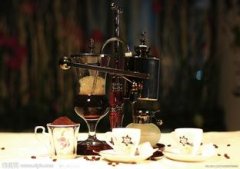
Originating in France and attributed to Emperor Napoleon, this dramatic drink is made by adding a sugar cube and a measure of brandy (typically 20–30ml) to a shot of espresso. The sugar is ignited along with the brandy, creating a blue flame that caramelizes the sugar while infusing the coffee with a rich, boozy aroma. The result is a bold mix of bitter coffee, sweet burnt sugar, and warm brandy—a symbol of French flair and theatrical coffee service.
Poached Egg Coffee? No—Pond Coffee (Café Pond / Café Américain Myth)
Often called “rose coffee” or “Pond coffee” in translation, this French romantic drink involves a shot of espresso served with a sugared lemon peel or sometimes a floating petal. The presentation is elegant, often served for couples or solo enjoyment. The drink may include a flavored syrup or a spirit, but the defining trait is its romantic presentation rather than a strict recipe.
Bold Eastern European & Global Interpretations
Russian-Style Coffee
Russian coffee is typically prepared strong and black, often enhanced with spices such as cardamom. The harsh winters and resilient culture contribute to a preference for intense, warming flavors. While no fixed recipe exists, it’s common to use a straight espresso or moka pot brew with optional spices added during brewing or served on the side.
Irish Coffee
This warm, spirited drink combines hot coffee (about 150ml) with Irish whiskey (20–30ml), sugar (1 teaspoon), and topped with lightly whipped cream (around 50ml). The cream floats on top, and the drink is sipped through the cream for a balance of bitterness, sweetness, and alcohol warmth. It’s especially popular in colder climates and meant to be comforting, like “the rising sun on a winter morning.”
Mocha Coffee
A classic mix of espresso, chocolate, and milk: one-third espresso (30ml), one-third hot chocolate (60ml), and one-third steamed milk (60–90ml). The result balances coffee bitterness, chocolate sweetness, and milk smoothness. Often topped with whipped cream or chocolate shavings. It’s essentially a café mocha, born from combining espresso with chocolate sauce or syrup and steamed milk.
Rich & Creamy European Favorites
Vienna Coffee
This drink is made by layering two teaspoons of coarse sugar or rock sugar at the bottom of a cup, pouring hot, strong black coffee over it, and finishing with a dollop of cold whipped cream (about 50ml) on top. The sugar melts slightly into the coffee, creating a sweet base beneath the creamy topping. Sometimes called “single-horse carriage coffee,” its origins are attributed to a Viennese carriage driver.
Mediterranean Coffee
A spiced and sweetened espresso drink that includes chocolate syrup and a blend of spices—such as cinnamon, nutmeg, and cardamom—representing the diverse cultural influences of the Mediterranean region. The exact spice mix varies, but the drink aims to deliver a dessert-like, exotic coffee experience, often enjoyed during festive or social occasions.
Turkish Coffee
Made by brewing finely ground coffee (unfiltered) with water and often sugar, Turkish coffee is traditionally served in a small cup along with a glass of water. A well-known Turkish saying goes: “Drink a cup of Turkish coffee, and you’ll remember the friendship for 40 years.” The coffee grounds settle at the bottom and are not meant to be consumed. It’s as much a cultural ritual as a beverage.
Mexican Coffee
Mexican-style coffee often includes cinnamon and chocolate, reflecting local tastes. Some versions incorporate liqueurs such as Kahlúa or tequila. The spice and optional alcohol create a warming, flavorful profile suited for social drinking. Preparation varies widely, but the key is balancing coffee, sweetness, and spice or alcohol.
Creative & Modern Interpretations
Green Tea Coffee
A simple fusion drink that blends espresso with green tea (either as a shot or brewed tea) for a unique savory-sweet combination. The earthiness of green tea contrasts yet complements the roasted coffee flavors. This drink highlights how Eastern and Western ingredients can merge without clashing.
Iced Thai Coffee
A chilled coffee drink made with strong brewed coffee (or espresso), sweetened condensed milk, evaporated milk, sugar, and crushed ice. Often includes cardamom or star anise for aromatic complexity. Served over ice, it delivers a refreshing, creamy, and spiced experience associated with tropical climates like Thailand or Vietnam.
Burgundy Coffee
A luxurious coffee that blends brewed espresso with a splash of red wine—typically Bordeaux or Burgundy. The wine adds acidity and fruity complexity, creating an elegant, adult-oriented beverage that plays on wine-coffee harmony. Best enjoyed as a dessert or after-dinner drink.
Ice Cream Coffee (Affogato Variation)
Pour a shot of hot espresso (30ml) over a scoop of vanilla or preferably unscented vanilla ice cream (such as vanilla soft serve or high-quality Stirling). Optional: drizzle with chocolate sauce and pipe whipped cream on top. As the hot coffee melts the ice cream, it creates a marbled effect. Avoid heavily flavored ice creams that would overpower the coffee.
Frozen Coffee Treats
Modern cafés often serve blended coffee with ice, milk, and flavorings as “frappes” or “granitas.” These drinks are refreshing but diverge from traditional espresso techniques. Popular in fast-food and casual chains, these drinks feature coffee blended with ice, milk, syrups, and sometimes topped with whipped cream or sprinkles.
Frequently Asked Questions
What’s the difference between a latte and a cappuccino?
A latte has more steamed milk and a thinner layer of foam (about 1–2cm) compared to a cappuccino, which has equal parts espresso, steamed milk, and thicker foam (around 1–1.5cm). A typical latte might use a 1:3 to 1:5 espresso-to-milk ratio, while a cappuccino uses roughly equal parts (1:1:1) of espresso, steamed milk, and foam.
Is Irish coffee a type of espresso drink?
No, Irish coffee is not based on espresso. It’s a hot drink made with brewed coffee (not espresso), Irish whiskey, sugar, and topped with whipped cream. It’s served as a warming alcoholic beverage, especially in cold weather.
Do Italians really only drink cappuccino in the morning?
Yes, in Italy, it’s strongly cultural to drink cappuccino only in the morning, typically with breakfast. Having a cappuccino after a meal, especially lunch or dinner, is uncommon and often considered unusual by locals.
What’s the correct ratio for a mocha?
A traditional mocha uses a 1:1:1 ratio: one-third espresso (30ml), one-third hot chocolate (60ml), and one-third steamed milk (60–90ml). You can adjust the milk or chocolate to taste, but this is the classic balance of coffee, sweetness, and creaminess.
Recommended FrontStreet Beans for Classic Espresso Drinks
For traditional milk drinks like latte and cappuccino, FrontStreet Coffee’s Classic Blend is ideal—it’s designed specifically for espresso and delivers excellent crema even with home machines. Its smooth, rounded profile works well under milk. The Black Cocoa Blend is perfect for drinks with chocolate like mocha, offering rich cocoa notes that enhance sweetness and depth. For a budget-friendly option that still performs in milk-based drinks, the Commercial Blend provides solid body and extraction consistency. All three are suitable for crafting the classic espresso drinks mentioned in this guide. Freshly roasted within 5 days · Orders placed before 17:00 ship the same day · Next-day delivery across most of Guangdong Province.
FrontStreet Coffee is a long-established specialty coffee roaster in Guangzhou China, selling freshly roasted beans from its own farm in Yunnan as well as dozens of carefully selected single-origin beans from around the world for both pour-over and espresso. The products deliver consistently excellent quality and great value, with shipping within 24 hours. Guangzhou's FrontStreet Coffee shop is recommended by many coffee lovers, and the beans are now available online at the Tmall 。
Important Notice :
前街咖啡 FrontStreet Coffee has moved to new addredd:
FrontStreet Coffee Address: 315,Donghua East Road,GuangZhou
Tel:020 38364473