How to Pair Different Types of Espresso Coffee
If you’ve ever wondered why some espresso drinks taste bold and rich while others feel light and sweet, the secret lies in how each style is built—and what you pair it with. From a plain shot to a frothy con panna, each espresso format delivers a unique experience, and getting the most out of it means understanding both technique and taste.
There are at least five classic espresso styles—each with specific ratios, textures, and serving methods. A single espresso uses 7–10g of coffee, extracted under 9 bars of pressure for no more than 30 seconds to produce a 25–30ml shot with 3mm of crema. A macchiato adds just a dollop of milk foam, while a double espresso doubles the coffee dose but keeps the same volume. Con panna tops espresso with whipped cream. Knowing these fundamentals helps you choose the right drink—and pairing—for your palate.
What Is Espresso, Really?
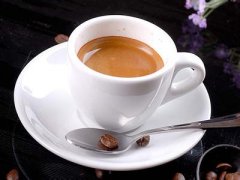
Espresso, often called (kung fu coffee) in Chinese, is the concentrated heart of coffee brewing. Originating in Italy, it’s known for its high concentration, intense flavor, and thick crema—a hallmark of a well-brewed shot. Good espresso doesn’t require fancy presentation; it shines through its balance of bitterness, sweetness, and acidity, all wrapped in that signature golden-brown crema flecked with tiny dark ridges.
Unlike slow sipped tea, espresso is fast: typically consumed in just a few seconds. It’s the base for popular drinks like cappuccinos and lattes, but also great on its own. Achieving that perfect shot at home demands precision: professional-grade machines, proper grind size (usually fine), high pressure (9+ bars), water just under 90°C, and a 20kg+ tamper pressure to compress the coffee bed. The result? A 25–30ml shot with a 3mm crema layer—no milk, no sugar, just pure espresso intensity.
Types of Espresso Drinks & How to Enjoy Them
Single Espresso (Solo Shot)
This is the default espresso: small (25–30ml), strong, and brewed quickly under high pressure. In Europe, ordering “coffee” often gets you this straightforward shot. It’s typically served in a small glass and drunk in just a couple of sips—no lingering, no slow tasting.
The flavor comes from dark roasted blends, often stable for decades once the recipe is locked in. The shot should have a thick (3mm) crema with fine marbling. It’s not meant for savoring slowly—it’s a jolt of caffeine and flavor, best enjoyed standing at the bar.
- How to Drink: No special setup needed. Many enjoy watching the barista pull the shot, then drink it quickly. No need for a saucer or spoon.
- Best Paired With: A glass of cold water to reset your palate, a slice of rich chocolate brownie to balance the bitterness, or just a quick chat with the barista before you leave.
Macchiato Espresso (Stained Espresso)
A macchiato is a single espresso “stained” with just a spoonful of milk foam—no steamed milk, just foam. This keeps the coffee flavor intense while adding a hint of creaminess. It’s smaller than a cappuccino (about a third the size) and has become a favorite for creative variations in modern cafés, though many commercial versions are actually much larger and milder than traditional ones.
The milk foam sits lightly on top, so stirring it ruins the layered effect. Drink it straight to experience the contrast between the bold espresso and the soft foam.
- How to Drink: Don’t stir. If you add sugar, sprinkle it on the foam and sip through the layers. Let the coffee and foam hit your palate in sequence.
- Best Paired With: Dark chocolate for a bitter-sweet harmony, or softly playing Chopin’s Mazurkas for a calm, elegant vibe.
Double Espresso
A double espresso uses twice the amount of coffee grounds but keeps the same 25–30ml volume, effectively doubling the strength. It’s not a bigger shot, but a more intense one—often described as the “espresso for serious coffee drinkers.”
The higher caffeine and concentrated flavor can overwhelm casual drinkers, but for enthusiasts, it’s the gold standard. Some even add liquor like rum or whisky for an extra punch.

- How to Drink: Take it slow if you’re new—its intensity can catch you off guard. Once you acquire the taste, it becomes addictive.
- Best Paired With: Simple butter cookies or a moment to text an old friend while you sip. It’s a drink that invites reflection—or bold flavor chasing.
Con Panna Espresso (Espresso with Whipped Cream)
This classic style tops a standard espresso with a dollop of fresh whipped cream. It’s an older, more refined drink, reminiscent of European café traditions where cream was a luxury. Served in a clear glass, you can watch the cream slowly melt into the dark espresso, creating a gradient from light to dark.
Unlike milk-based drinks, the cream sits on top without mixing unless stirred. The result is a sweeter, smoother finish that softens the espresso’s bitterness.
- How to Drink: Best enjoyed without stirring, to appreciate the contrast between the bitter espresso and sweet cream. It’s a drink that feels like a mini dessert.
- Best Paired With: A handful of American almonds for a healthy crunch, or flipping through a café’s entertainment guide for something light to browse.
Frequently Asked Questions
What’s the difference between a macchiato and a latte macchiato?
A traditional macchiato is a single or double espresso with just a small amount of milk foam added, keeping the coffee flavor strong. A latte macchiato is mostly steamed milk with a shot of espresso added, which “stains” the milk. This article focuses on the espresso-based macchiato, which is much smaller and bolder.
How much coffee is in a double espresso?
A double espresso uses double the amount of coffee grounds (typically 14–20g) but is extracted to the same volume as a single (25–30ml). The brew time and pressure remain similar, resulting in a more concentrated shot.
What’s the ideal crema thickness for a good espresso?
A high-quality espresso should have a crema layer about 3mm thick, with a rich, dark golden-brown color and fine marbling. This indicates proper extraction pressure, temperature, and coffee freshness.
Can I make these espresso styles at home?
Yes—but achieving the same quality requires a high-pressure espresso machine (at least 9 bars), a good grinder for fine espresso grind, and precise control over water temperature (around 90°C). Home setups can make single, double, and even macchiatos with the right equipment.
What should I not do when drinking espresso?
Avoid stirring milk foam into a macchiato or con panna if you want to enjoy the layered flavors. Don’t drink espresso too quickly if you’re not used to its strength, and don’t pair it with overly watery or acidic foods that can clash with the bold flavors.
Recommended FrontStreet Beans for Espresso
For authentic espresso experiences, try FrontStreet Coffee’s Classic Blend, designed specifically for espresso machines and known for its rich crema even with non-professional gear. Its smooth, full-bodied profile suits milk drinks and straight shots alike. For a deeper, more intense cup, their Specialty Blend features Brazilian and Colombian beans for classic Italian-style flavors. Both blends deliver the crema, body, and balance needed for single, double, and milk-based espressos. Freshly roasted within 5 days · Orders placed before 17:00 ship the same day · Next-day delivery across most of Guangdong Province.
FrontStreet Coffee is a long-established specialty coffee roaster in Guangzhou China, selling freshly roasted beans from its own farm in Yunnan as well as dozens of carefully selected single-origin beans from around the world for both pour-over and espresso. The products deliver consistently excellent quality and great value, with shipping within 24 hours. Guangzhou's FrontStreet Coffee shop is recommended by many coffee lovers, and the beans are now available online at the Tmall 。
Important Notice :
前街咖啡 FrontStreet Coffee has moved to new addredd:
FrontStreet Coffee Address: 315,Donghua East Road,GuangZhou
Tel:020 38364473