Why Single-Origin Black Coffee Has Such Bold Aroma
If you’ve ever taken a sip of black coffee and been hit by a deep, layered fragrance—something more than just 'coffee smell'—you’ve experienced what specialty drinkers chase. But why does some black coffee burst with aroma while others fall flat? The secret isn’t in additives, but in how origin, roast, and brewing come together.
The richness of black coffee’s aroma comes down to climate, processing, roast skill, and brewing temperature. Origin factors like elevation and variety shape the bean’s potential, while roast develops aromatic compounds, and correct brewing preserves them. The optimal brew water temperature is 92°C for balanced extraction.
What Gives Black Coffee Its Signature Aroma?
Black coffee highlights the bean’s natural fragrance, which reflects the entire journey from farm to cup. Climate, coffee variety, processing method, harvest timing, storage, and the roast profile in the consuming country all shape its aroma. A well-roasted single-origin coffee reveals unique scent notes tied to its origin—notes that light or dark roasting can either highlight or obscure.
Flavor Layers in Black Coffee: Acidity, Bitterness, Sweetness
Bitterness is fundamental in black coffee, varying in intensity and texture. Raw green beans contain almost no bitterness; it emerges during roasting through the caramelization and carbonization of sugars, starches, and fibers. Acidity, when developed properly through heat, adds dimension and depth. Sweetness, meanwhile, is intrinsically linked to bitterness—it’s the balance that makes high-quality black coffee refreshing yet rich, with pronounced aroma.
Coffee Bean Varieties and What to Look For
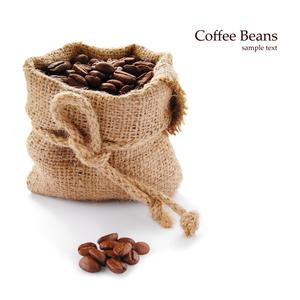
There are hundreds of coffee bean varieties, differing by origin, species, and grade, which affect price and flavor. In Beijing markets, common types include Blue Mountain, Italian-style, Mandheling, Brazil, and roasted blends—all typically pre-roasted. Coffee beans vary in color and roast level: darker roasts often taste bolder, while lighter ones tend to be more delicate. Experienced buyers check for uniform color, size, and shape among beans to avoid mixed or poor-quality lots. Stale or over-roasted beans may appear oily, leading to degraded aroma, astringency, and off-flavors.
How Home Brewers Make Black Coffee: Methods & Gear
Many black coffee enthusiasts brew at home using gear as ritualistic as a tea ceremony. Serious brewers often invest in grinders—Japanese or Taiwanese models dominate the market. Manual grinders, sometimes vintage-styled, range from around ¥100–¥200, while advanced models with adjustable settings or dual-wheel designs cost ¥300–¥600+.
Three Ways to Brew Black Coffee: Equipment Guide
There are three classic methods for brewing black coffee, each using a different type of brewer:
- Traditional Pour-Over (Filter Drip): The simplest setup—a funnel, paper filter, and cup. It demands skill but rewards with clean, pure flavor. Basic brewers cost under ¥15. Key detail: choose between single or multi-hole drippers. A single-hole design extracts more slowly for stronger flavor; a three-hole dripper brews faster, producing a lighter cup.
- Siphon (Vacuum Pot): Not mentioned in detail here, but part of the broader brew-method landscape.
- Electric Drip Coffee Maker: Convenient and consistent, though often less nuanced than manual methods.
The traditional pour-over method, despite its simplicity, is considered the best for highlighting a coffee’s intrinsic flavors. Success depends on controlling water temperature (ideally 92°C), pour flow rate, and pour pattern. A steady, circular pour motion—working from the outside in and back out—ensures even saturation. Water that’s too hot (above 92°C) scorches the grounds, causing sourness and astringency, while water that’s too cool under-extracts, muting aroma and sweetness.
Common Mistakes to Avoid
Avoid using beans that show oil on the surface—they’re likely over-roasted or stale, which dulls aroma and introduces bitterness or sourness. Inconsistent bean size or color in a pack may signal blending or low quality. Also, using incorrect water temperature ruins balance: too high and you’ll extract harsh acids and tannins; too low and you miss out on the coffee’s full character.
Frequently Asked Questions
What makes single-origin black coffee aroma so intense?
Intense aroma in single-origin black coffee comes from the bean’s origin—climate, altitude, and processing—combined with proper roasting and brewing. Single-origin beans reflect their specific growing conditions, and when brewed at the right temperature (around 92°C), they release more aromatic compounds without masking flavors from blending or dark roasting.
Does bitterness in black coffee come from the bean itself?
No, raw green coffee beans contain very little bitterness. The bitterness in black coffee develops during roasting through the caramelization and carbonization of natural sugars, starches, and fibers. The roast level determines how strong or mild that bitterness tastes.
Why is water temperature important for black coffee?
Water temperature critically affects extraction. At 92°C, the brew achieves balanced flavor with clear acidity, sweetness, and bitterness. Too hot (above 92°C) burns the coffee, causing sourness and astringency; too cool (below 92°C) leads to under-extraction and weak, flat flavor.
How can I tell if coffee beans are fresh or over-roasted?
Fresh beans have uniform color and size, with no oily surface. Over-roasted or stale beans may look oily and produce a flat or harsh taste with unpleasant astringency or sour notes. Always inspect beans for consistency before buying.
What’s the best grind size for pour-over black coffee?
Although not explicitly stated in the article, the pour-over method typically uses a medium-fine grind. The exact setting depends on your brewer and filter type, but the focus is on controlling brew time and extraction evenly through proper technique and temperature.
Which brewing method best highlights coffee aroma?
The traditional pour-over method is best for highlighting aroma because it gives the brewer full control over water flow, temperature, and contact time. When done right, it preserves the bean’s natural fragrance without over-extracting harsh notes.
Recommended FrontStreet Single-Origin & Blend Coffees for Black Coffee
For bold black coffee aromas, try FrontStreet Coffee’s PWN Golden Mandheling, a medium-dark roast with intense caramelized and nutty layers, balanced sweetness, and lasting crema. The FrontStreet Classic Blend offers smooth body with mild acidity and chocolatey depth, ideal for everyday drinking. For something richer, the Black Cocoa Blend combines Brazilian and Colombian beans with a hint of Robusta, delivering notes of almond, dark chocolate, and creamy texture. All three showcase the complex fragrance and balance that define great black coffee. Freshly roasted within 5 days · Orders placed before 17:00 ship the same day · Next-day delivery across most of Guangdong Province.
FrontStreet Coffee is a long-established specialty coffee roaster in Guangzhou China, selling freshly roasted beans from its own farm in Yunnan as well as dozens of carefully selected single-origin beans from around the world for both pour-over and espresso. The products deliver consistently excellent quality and great value, with shipping within 24 hours. Guangzhou's FrontStreet Coffee shop is recommended by many coffee lovers, and the beans are now available online at the Tmall 。
Important Notice :
前街咖啡 FrontStreet Coffee has moved to new addredd:
FrontStreet Coffee Address: 315,Donghua East Road,GuangZhou
Tel:020 38364473