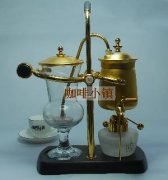
How to Use a Traditional Moka Pot for Coffee
Ever struggled to get a good cup of coffee from a stovetop moka pot? Many home brewers end up with either weak, under-extracted liquid or overly bitter, overdone shots. The problem often comes down to incorrect water level, grind size, or heat control. If you’ve ever wondered how to use a traditional moka pot the right way—without burning your coffee or your fingers—this guide walks through every critical step with precision.
The key to a good moka pot brew is using a grind size between 0.3–0.55mm—slightly coarser than espresso but much finer than pour-over. Heat with a strong flame until coffee flows, then reduce to low once extraction begins, stopping immediately when yellowish foam appears.
What Is a Traditional Moka Pot?
A traditional moka pot is a stovetop brewing device that uses steam pressure—about 1.5 bar—to force hot water through finely ground coffee. Unlike espresso machines, it doesn’t reach full espresso pressure but produces a strong, concentrated brew similar in strength to espresso. Popular worldwide, especially in Europe and Latin America, it’s a staple for those wanting intense coffee without an espresso machine.
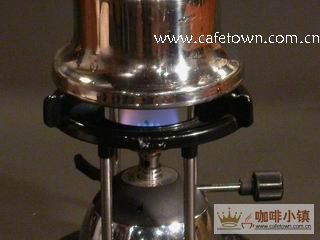
How to Use a Traditional Moka Pot: Step-by-Step
1. Fill the Lower Chamber with Hot Water
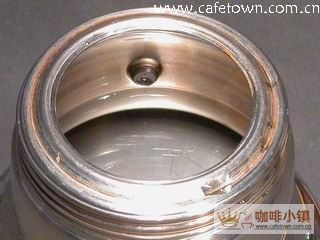
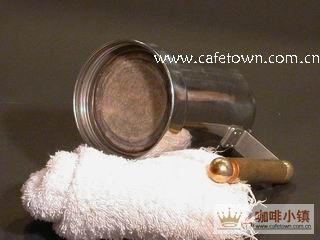
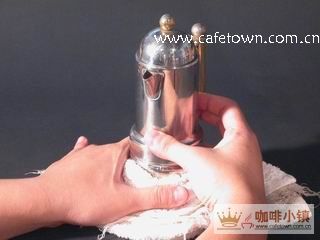
Pour fresh water into the bottom chamber, but don’t exceed the pressure relief valve. Using hot water helps reduce heating time and prevents burning your hands during use. Wrap the base in a towel if needed for safety.
2. Add Ground Coffee to the Filter Basket
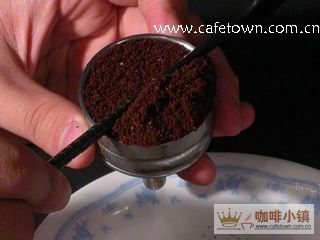
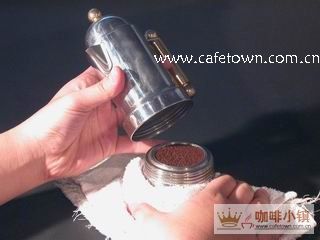
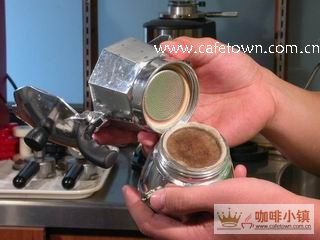
Grind your coffee to a size between 0.3–0.55mm—finer than pour-over but coarser than espresso. A common recommendation is a 1.5 setting on a small Hario Mini Mill . Fill the basket slightly heaped, then level the grounds by hand or with a chopstick—do not tamp.
3. Prepare and Attach the Top Chamber
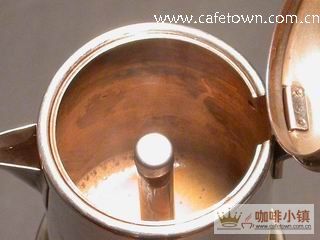
Optionally, place a dampened filter paper on the filter plate to improve cleanliness. Twist the top chamber onto the base carefully. Do not overtighten using the handle—it can break. Ensure the seal is firm by tightening the upper part securely to maintain pressure.
4. Heat the Moka Pot
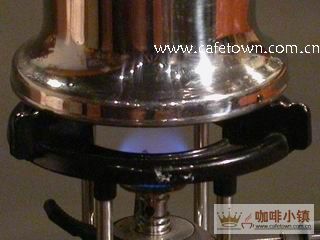
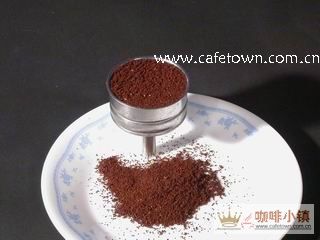
Place the moka pot on high heat. Once you see coffee begin to emerge from the spout, reduce the flame to low. Let it brew slowly. The goal is a steady flow, not a burst.
5. Stop Brewing at the Right Time
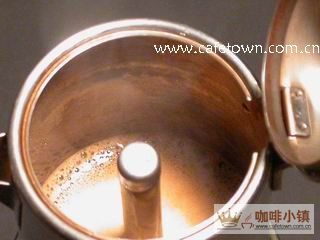
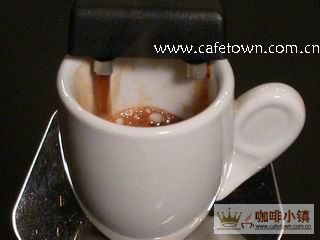
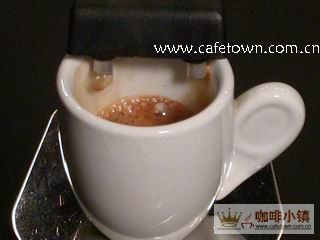
When you see a spritz of yellowish or white foam (crema-like), immediately remove the moka pot from the heat. This signals that brewing is complete. Continuing beyond this point leads to over-extraction and bitterness—often seen as unwanted yellow foam (see comparison image).
Choosing the Right Grind Size for Moka Pot
Moka pots operate at roughly 1.5 bar of pressure—not enough for true espresso but more than pour-over. That means your grind should be finer than typical drip coffee but coarser than espresso. Most users find success with a grind diameter between 0.3–0.55mm. If coffee flows too fast, your grind is too coarse; if it dribbles or sputters without flowing, it’s too fine. Adjust based on flow rate.
For more body and crema, try a slightly coarser grind like what you’d use for FrontStreet’s Classic Blend or Black Cocoa Blend. For brighter, fruitier cups, aim for a medium-fine grind similar to table salt—ideal for single origins like Ethiopia Huakui or Strawberry Candy Espresso.
Cleaning and Maintenance
For New Moka Pots
Before first use, disassemble all parts—upper chamber, lower chamber, filter basket, rubber gasket, and filter plate. Clean them to remove factory oils. Soak Brikka-style moka pots in water with a bit of baking soda, then perform two empty boils with just water.
After Each Use
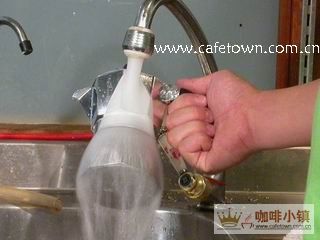
Always let the moka pot cool before opening. Rinse with cold water first to speed up the process. Thoroughly clean all parts to prevent coffee oils from building up, which can cause off-flavors and damage rubber components. Dry all parts completely before reassembling. Regularly check the rubber gasket for wear or deformation.
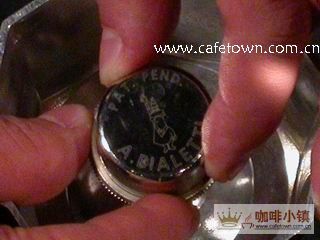
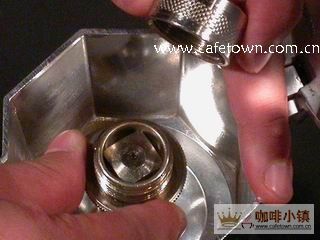
The pressure relief valve can also be removed for cleaning—hold the lower part and unscrew the valve with your other hand.
Safety Tips
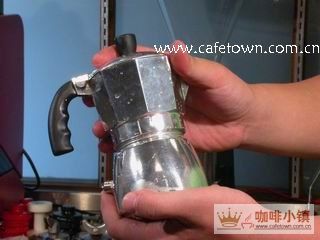
- Never leave a heating moka pot unattended.
- Do not continue heating once the water is gone—it risks overheating the metal and damaging the pot.
- Regularly inspect the rubber gasket for proper sealing and wear.
- The moka pot gets extremely hot—handle with care to avoid burns.
- Always keep water below the pressure relief valve to ensure safe operation.
Frequently Asked Questions
What is the ideal grind size for a traditional moka pot?
The optimal grind size is between 0.3–0.55mm in diameter—slightly coarser than espresso but much finer than pour-over. This mimics a grind slightly finer than table salt. If extraction is too fast, make the grind finer; if too slow or sputtering, make it coarser.
How much coffee should I use in a moka pot?
Fill the filter basket slightly heaped with finely ground coffee, then level it by hand or a tool like a chopstick. Do not tamp the coffee, as pressure is created by steam, not compression.
When should I stop the brewing process?
Stop heating immediately when you see a spray of yellowish or white foam coming from the spout. This light crema-like foam means brewing is complete. Continuing leads to over-extraction and undesirable bitter flavors.
Do I need to preheat water in a moka pot?
Using hot water in the lower chamber is recommended. It reduces heating time, minimizes the risk of burning, and helps you avoid overheating the metal base. It’s not mandatory but helps with safety and control.
How do I clean a moka pot properly?
Disassemble all parts after each use. Clean with water only—no soap if possible—to avoid residue. For new or heavily used pots, soak in baking soda water and perform two empty boils. Always check and clean the rubber gasket and pressure valve.
Why is my moka pot coffee bitter or weak?
Bitter coffee usually results from over-extraction—caused by too fine a grind, too long brewing, or boiling dry. Weak coffee typically means the grind is too coarse, the heat is too low, or the coffee is not tamped (or heaped) properly. Adjust grind size and heat application accordingly.
Recommended FrontStreet Beans for Moka Pot
For moka pot brewing, FrontStreet Coffee’s Classic Blend delivers bold notes of caramel and dark chocolate with a thick crema-like layer, perfect for fans of rich espresso-style coffee. The Black Cocoa Blend brings intense roasted tones with hints of dark cherry—great for those who enjoy a deeper, dessert-like cup. Alternatively, try the Strawberry Candy Espresso for bright red fruit and floral brightness, ideal if you prefer a lighter, juicier profile. All three work well with a grind size between 0.3–0.55mm. Freshly roasted within 5 days · Orders placed before 17:00 ship the same day · Next-day delivery across most of Guangdong Province.
FrontStreet Coffee is a long-established specialty coffee roaster in Guangzhou China, selling freshly roasted beans from its own farm in Yunnan as well as dozens of carefully selected single-origin beans from around the world for both pour-over and espresso. The products deliver consistently excellent quality and great value, with shipping within 24 hours. Guangzhou's FrontStreet Coffee shop is recommended by many coffee lovers, and the beans are now available online at the Tmall 。
Important Notice :
前街咖啡 FrontStreet Coffee has moved to new addredd:
FrontStreet Coffee Address: 315,Donghua East Road,GuangZhou
Tel:020 38364473