How to Brew Coffee in a French Press the Right Way
If you’ve ever made coffee with a French press and ended up with a murky, sludgy cup full of bitterness and stray grounds, you’re not alone. Despite its simple design—a glass carafe with a metal mesh plunger—the French press is often blamed for producing some of the worst-tasting coffee around. But is the tool really the problem, or is it how we’re using it?
The correct way to make French press coffee: use a coarse grind like superfine sugar (EK43s setting 10.5 / hand grinder 26), a 1:15 coffee-to-water ratio, 90°C water, stir after pouring, let it steep for 4 minutes, then press slowly. For cleaner results, pre-sift your coffee through a fine mesh similar to Hario’s TH series.
What Is a French Press Really?
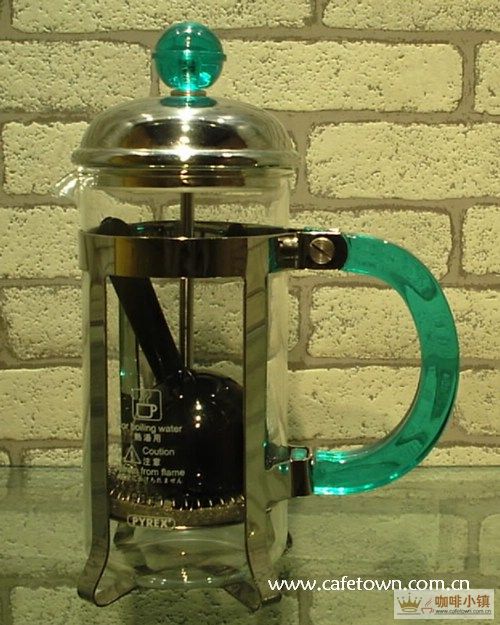
The French press, or press pot, is a simple immersion brewing device made of a heat-resistant glass cylinder and a metal mesh plunger with a filter. Though it was originally designed for brewing tea—which is why some still call it a “tea press”—it has become a staple for coffee brewing thanks to its simplicity and hands-on control.
Why Your French Press Coffee Tastes Bad (And How to Fix It)
Many guides recommend using a coarse grind and long steep times for French press coffee—but that often leads to over-extraction of bitter elements and under-extraction of brighter notes. The real issue isn’t the method itself but how grind size, brew time, water temperature, and filtration are managed. Using standard coarse grind allows too many fine particles through the metal filter, creating unwanted sediment and harsh flavors. With the right tweaks, the French press can produce a rich, clean cup.
The Science Behind a Better French Press Brew
Achieving a great cup comes down to controlling five variables: grind size, brew time, water temperature, agitation, and filtration. Most people use a very coarse grind to reduce the amount of fine particles that pass through the metal filter. However, this also reduces surface area and leads to uneven extraction. By refining the grind slightly and pre-filtering out the finest particles, you can improve both flavor clarity and body. Here’s what actually matters:
- Grind Size: Use a grind slightly finer than coarse—about the texture of superfine sugar. That’s roughly EK43s setting 10.5 or a hand grinder at 26. This is near the limit of what most grinders can produce while still being French press compatible.
- Brew Ratio: A standard and reliable ratio is 1:15—15 grams of coffee to 225 grams (225ml) of water. This yields a strong yet balanced cup, typically around 1.1–1.2% TDS.
- Water Temperature: Ideal brewing temperature is around 90°C. If you don’t have a temperature-controlled kettle, let boiling water sit for 2–3 minutes. Slightly higher temperatures (91–92°C) can help improve extraction, especially for medium or light roasts.
- Steep Time: The recommended brew time is 4 minutes. Darker roasts may taste better at 3–4 minutes to avoid over-extraction; lighter roasts may benefit from closer to 4–5 minutes, but watch for bitterness.
- Filtration & Sediment: The metal filter lets through fine coffee particles, which leads to sludge. Pre-sieving your ground coffee through a very fine mesh (like Hario’s TH series) removes the smallest particles responsible for haze and harshness.
Step-by-Step: How to French Press Coffee the Correct Way
Follow these steps for a cleaner, more flavorful French press brew:
- Preheat Your French Press: Rinse your French press with hot water to maintain brewing temperature.
- Weigh and Grind Coffee: Use 15g of freshly roasted coffee beans (ideally within 2 weeks post-roast) ground to a superfine sugar-like consistency.
- Pre-Sift Your Grind (Optional but Recommended): Pour your ground coffee through a very fine mesh sieve (similar to Hario TH series) to remove the finest particles. Discard the fines—these cause over-extraction and sludge.
- Add Coffee to Press: Place the sifted coffee grounds into the preheated French press.
- Bloom and Pour Water: Start with about 30–50ml of hot water (80–90°C) to bloom the coffee for around 25 seconds. Stir gently with a bamboo or plastic stirrer to ensure even saturation.
- Add Remaining Water: Slowly pour the rest of the water up to 225g total, maintaining even saturation across all grounds.
- Steep: Place the lid on with the plunger pulled up, and let the coffee steep for exactly 4 minutes.
- Press Gently: After 4 minutes, press the plunger down slowly and steadily. Avoid pressing too quickly or forcefully, which can cause sludge and over-extraction.
- Pour Immediately: Pour all the coffee into your cup right away to avoid over-extracting the grounds sitting at the bottom.
How to Check Your Coffee’s Freshness Using French Press
You can also use the French press to test your coffee’s freshness. Try this quick experiment:
- Add about 10g of freshly ground (and sifted) coffee to the press.
- Pour 180ml of water at around 80–90°C and stir briefly.
- After ~25 seconds, stir again. If the coffee is fresh, you’ll see a layer of dark red crema rise, along with a rich aroma. Stale coffee will produce little crema and weak fragrance.
Frequently Asked Questions
What is the best grind size for French press coffee?
The ideal French press grind size is slightly finer than traditional coarse—about the texture of superfine sugar. On an EK43 grinder, this is around setting 10.5; for hand grinders, aim for setting 26. It should resemble small gravel, not powder or sand.
How much coffee should I use in a French press?
A standard brew ratio is 1:15—15 grams of coffee per 225 milliliters (grams) of water. This yields about 1.1–1.2% TDS, considered balanced and full-flavored for French press brewing.
What water temperature is best for French press?
The optimal water temperature is around 90°C. If you don’t have a temperature-controlled kettle, let boiling water rest for 2–3 minutes. You can go slightly higher, to 91–92°C, to improve extraction, especially with medium or lighter roasts.
How long should I let French press coffee steep?
Steep time should be around 4 minutes for a balanced extraction. Darker roasts may do better at 3–4 minutes, while lighter roasts can go closer to 4–5 minutes, but monitor for bitterness.
Why does my French press coffee have so much sludge?
The metal filter allows fine coffee particles to pass through, creating sediment. These fines result from grinding too finely or not pre-sifting your coffee. Pre-filtering your grounds through a fine mesh can drastically reduce sludge.
Can I use a French press for light roast coffee?
Yes, but light roasts often need a slightly longer steep time (around 4–5 minutes) and attention to grind size to properly highlight their acidity and aroma. They can taste great in a French press if brewed carefully.
Recommended FrontStreet Coffee for French Press
For French press brewing, try FrontStreet’s Strawberry Candy Espresso — aGeisha-based blend offering floral, citrus, and berry notes with milk chocolate undertones. Also consider PWN Golden Mandheling, a medium-dark roast with bold spice, caramel, and dark chocolate richness. Both work well with the full-bodied immersion style of a French press. Freshly roasted within 5 days · Orders placed before 17:00 ship the same day · Next-day delivery across most of Guangdong Province.
FrontStreet Coffee is a long-established specialty coffee roaster in Guangzhou China, selling freshly roasted beans from its own farm in Yunnan as well as dozens of carefully selected single-origin beans from around the world for both pour-over and espresso. The products deliver consistently excellent quality and great value, with shipping within 24 hours. Guangzhou's FrontStreet Coffee shop is recommended by many coffee lovers, and the beans are now available online at the Tmall 。
Important Notice :
前街咖啡 FrontStreet Coffee has moved to new addredd:
FrontStreet Coffee Address: 315,Donghua East Road,GuangZhou
Tel:020 38364473