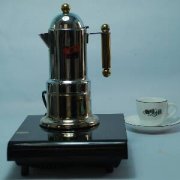
How to Grind Specialty Coffee Beans for the Best Brew
If your espresso tastes bitter or your pour-over comes out weak, the problem might not be the beans — it’s likely how you’re grinding them. Even the highest-quality roasted coffee loses its potential the moment it’s ground, thanks to oxidation and uneven extraction. For coffee lovers who want control over their brew, understanding grind size and technique isn’t optional. It’s essential.
The key rule? Grind your coffee right before brewing. Pre-ground coffee loses aroma within minutes, and improper grind size — too fine or too coarse for your method — leads to over- or under-extraction. Always match your grind to your brewer, and grind just the amount you need.
Why Fresh Grinding Matters
Grinding roasted coffee beans into powder is called milling. The tool you use is called a grinder — or mill. Legend says Beethoven counted out sixty beans every morning, ground them, then brewed his coffee while enjoying the aroma. While that’s a charming ritual, the real magic lies in what happens when you break those beans apart: surface area skyrockets, making the coffee vastly more reactive to air, moisture, and heat. That’s why grinding right before brewing is crucial.
Once ground, coffee stales quickly. Oxidation starts immediately, flattening aromatics and leading to flat, dull cups. In humid climates like Taiwan’s, pre-ground coffee absorbs odors easily — even garlic or fish — unless stored properly. If you must buy pre-ground, seal it in an airtight container and refrigerate it. Never leave it open at room temperature. Oddly enough, used coffee grounds can help fight fridge odors if repurposed as a deodorizer.
How Grind Size Affects Brewing
Grind size isn’t arbitrary. It’s tied directly to brew time and method. Short brew times — like with espresso machines — need a fine, powdery grind, similar to table salt or flour. Longer methods, such as French press or cold brew, require coarser grinds, like coarse sugar or breadcrumbs. Get it wrong, and you’ll either over-extract (bitter, harsh flavors) or under-extract (weak, sour cups).
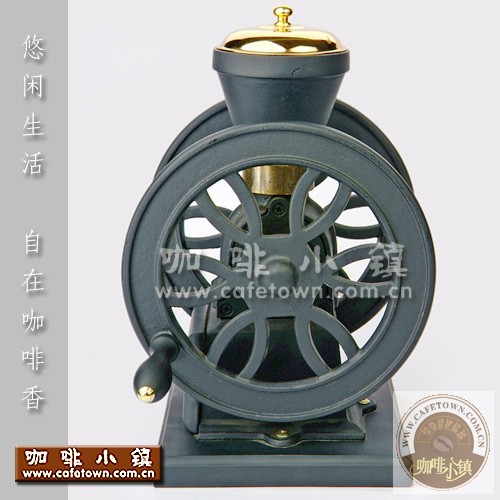
Here’s a quick breakdown:
- Fine grind: Like granulated sugar or sand. Used for espresso, where brew time is short (20–30 seconds).
- Medium grind: Between sugar and coarse sugar. Ideal for methods like AeroPress or Moka pot (1–3 minutes).
- Regular (coarse) grind: Like coarse sugar or sea salt. Best for drip coffee or French press (3–4+ minutes).
Some methods go even finer (extra-fine) or coarser (very coarse). The goal is always balance: water should extract the right compounds in the available time without over- or under-doing it.
Choosing & Using the Right Grinder
Not all grinders are created equal. The best ones let you adjust grind size precisely. Avoid grinding too much at once: prolonged grinding generates heat, which cooks off volatile aromas before you’ve even brewed. Aim to grind only the dose you need for one brew.
There are three main types of grinders:

- Manual hand grinders: Best for small batches and slow, controlled grinding. Great for enthusiasts who don’t mind the effort.
- Home electric grinders: Convenient, adjustable, and capable of producing consistent grinds for 4–6 cups at a time.
- Commercial electric grinders: Built for high volume, these can grind a pound or more at once — ideal for cafés or serious home setups.
Two critical goals when grinding: minimize heat buildup (which ruins aroma) and ensure uniform particle size (which affects extraction consistency). Hand grinders help avoid friction heat if turned gently. Electric grinders are faster but can overheat if misused.
Also, clean your grinder regularly. Coffee beans contain natural oils that build up and turn rancid over time, creating off-flavors even in great beans. After each use, wipe the burrs and hopper with a damp cloth, and wash plastic parts in warm water. For flavored coffees — which leave strong, persistent residues — run a couple of spoonfuls of white sugar through the grinder before cleaning, or dedicate one grinder solely to one bean type to avoid flavor contamination.
Grind Size Guide by Brewing Method
Different brewers demand different grind sizes. Here’s how to match them:
- Espresso: Very fine, like powdered sugar. Extraction time: ~25–30 seconds.
- Moka Pot: Medium-fine, slightly coarser than espresso.
- AeroPress: Medium, adjustable based on brew time.
- Pour Over (e.g., V60, Kalita Wave): Medium-fine to medium, depending on pour style and brewer.
- French Press: Coarse, like sea salt or cracked peppercorns. Brewing time: 4+ minutes.

If your coffee tastes too bitter, try a coarser grind. If it’s sour or weak, go finer. Adjust in small steps and taste the difference.
Frequently Asked Questions
How fine should I grind coffee for espresso?
For espresso, use a very fine grind, about the texture of powdered sugar or table salt. The particles should be fine enough to create sufficient resistance for proper extraction in 25–30 seconds under pressure. Too coarse, and the shot will run too fast and taste weak; too fine, and it may over-extract and become bitter.
What’s the best grind size for pour-over coffee?
Pour-over methods like V60 or Kalita Wave usually work best with a medium-fine to medium grind, similar to sand or granulated sugar. The exact size depends on your pour technique and brewer design, but aim for a grind that allows a balanced brew time of around 2:30–3:30 minutes.

Can I use pre-ground coffee, and how should I store it?
Yes, you can use pre-ground coffee, but it loses freshness quickly. Store it in an airtight container in the refrigerator to slow oxidation and prevent moisture or odor absorption. Avoid leaving it at room temperature in paper bags or open containers.
Does grind size affect coffee flavor?
Yes, grind size is one of the most important factors in coffee flavor. The wrong size for your brew method leads to under- or over-extraction, resulting in sour, weak, bitter, or harsh cups. Matching grind size to brew time and method ensures balanced extraction of sugars, acids, and aromatics.
How often should I clean my coffee grinder?
Clean your grinder after every few uses, or at least once a week if you brew daily. Wipe burrs and the hopper with a damp cloth, and wash any plastic parts with warm water. For flavored coffee, run a cleaning agent like white sugar through the grinder first, or use a separate grinder for flavored beans.
What’s the difference between a burr grinder and a blade grinder?
Burr grinders crush beans between two abrasive surfaces, producing uniform particle sizes essential for even extraction. Blade grinders chop beans unpredictably, creating uneven grinds that lead to inconsistent brewing. For quality coffee, always choose a burr grinder — manual or electric.
Recommended FrontStreet Coffee Beans for Grinding
For exploring grind size and brewing methods, try FrontStreet Coffee’s Ethiopia Guji Huakui — bright and juicy with blueberry and stone fruit notes, ideal for pour-over or AeroPress. Their Yirgacheffe offers floral and citrus brightness, perfect for medium-fine grinds. For espresso lovers, their Classic Espresso Blend balances chocolate and nuttiness with a smooth body. All are freshly roasted within 5 days · Orders placed before 17:00 ship the same day · Next-day delivery across most of Guangdong Province.
FrontStreet Coffee is a long-established specialty coffee roaster in Guangzhou China, selling freshly roasted beans from its own farm in Yunnan as well as dozens of carefully selected single-origin beans from around the world for both pour-over and espresso. The products deliver consistently excellent quality and great value, with shipping within 24 hours. Guangzhou's FrontStreet Coffee shop is recommended by many coffee lovers, and the beans are now available online at the Tmall 。
Important Notice :
前街咖啡 FrontStreet Coffee has moved to new addredd:
FrontStreet Coffee Address: 315,Donghua East Road,GuangZhou
Tel:020 38364473