How to Choose the Right Automatic Coffee Machine
If you’ve already figured out the difference between fully automatic, semi-automatic, and manual espresso machines, you’re halfway there. But with dozens of fully automatic machines on the market, each touting a long list of features, how do you decide which one actually suits your needs? For most buyers, the core functions are similar—but the real differences lie in the extras.
In short: All fully automatic coffee machines can grind beans, tamp, brew espresso, and dispense steam. What sets them apart are the extra features—some essential, others just nice to have. Knowing which features matter to you is the key to choosing the right machine.
What Comes Standard in Every Fully Automatic Coffee Machine?
Every fully automatic machine performs these basic functions: it grinds fresh coffee beans, doses and tamps the coffee, then brews espresso using water heated by a small boiler. You can select your desired cup size, and the machine also provides hot water and steam for milk-based drinks. The water and steam are heated via a small boiler from the machine’s water tank.
What Are the 'Extra' Features—and Do You Need Them?
Use a Second Type of Coffee (Pre-Ground Only)
This feature allows you to use pre-ground coffee instead of switching beans in the main hopper. Most machines don’t let you just drop in whole beans—you have to load pre-ground coffee into a separate, smaller compartment designed for a second coffee type. Typically, these compartments accept only 6–9 grams of coffee, enough for a single espresso. Some allow a double shot, but usually you’ll need to brew two single espressos. Note: this feature works only with pre-ground coffee, not whole beans.
Single or Dual Heating Systems
Standard machines take about 43 seconds to heat up from espresso brewing temperature to steam temperature. Machines with dual heating systems eliminate that wait. They use thermoblock heating units and can brew espresso and steam milk simultaneously. This also means you won’t need to cool down the boiler manually after steaming.
Digital Display vs Indicator Lights
Digital displays offer clearer feedback than blinking lights. They tell you when the machine is ready, what it’s doing, or if something needs attention—like running out of beans or water. Unlike a single indicator light that may signal multiple issues, a digital display pinpoints the exact problem. Some even show shot volume, allow programming, or track total cups brewed.
Programmable Settings
Many automatic machines include customizable settings. Common programmable features include:
- Cup Size Control: Adjust how much espresso or hot water is dispensed per button press.
- Pre-Grinding Function: The grinder starts grinding the next dose as soon as the current shot is finished, reducing wait time—but ground coffee loses freshness faster.
- Pre-Infusion (Preparation) Function: A small amount of water moistens the coffee puck for about 1 second before full extraction begins, improving evenness and extraction quality. You may notice a brief pause before the shot starts.
- Temperature Control: Default espresso brewing temperature is around 85°C at the group head, dropping to about 74°C in your cup. You can adjust it—“High” typically sets output temperature to around 77°C. For comparison, drip coffee is brewed at 90–96°C.
- Coffee Bean Dose Adjustment: Change the amount of coffee used per shot. With removable brew groups, the range is typically 6–9 grams. Non-removable systems vary by model, often between 5–16 grams. Higher doses can produce a double shot in one press.
- Removable vs Non-Removable Brew Groups: Removable brew groups can be taken out for manual cleaning. Non-removable ones are cleaned automatically at startup and shutdown.
- Coffee Cup Warming Plate: Keeps cups warm to preserve flavor. Some are active (with dedicated heating) while others are passive (relying on residual heat).
- Grind Size Adjustment: Tweak grind fineness to control extraction. Finer grinds make stronger, sometimes bitter coffee; coarser grinds result in weaker, under-extracted shots.
Quick Answer: How to Choose the Right Automatic Coffee Machine
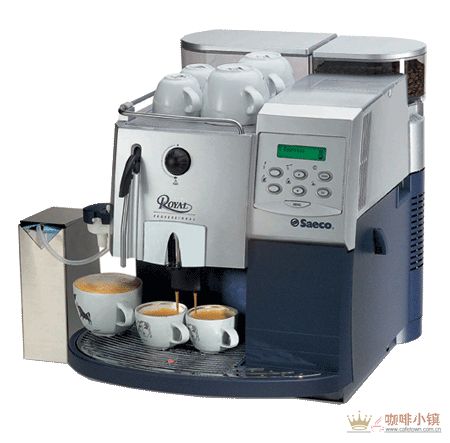
All fully automatic coffee machines perform the same core tasks: grind, tamp, brew espresso, and steam milk. The real difference lies in extra features. Prioritize dual heating if you want to steam milk without waiting, a digital display for clear feedback, and programmable settings like dose, temperature, and cup size if you value control. Choose based on which of these truly matter to your daily routine.
Frequently Asked Questions
What’s the difference between a fully automatic and a semi-automatic espresso machine?
A fully automatic machine grinds, tamps, brews, and ejects the puck with minimal user input. A semi-automatic requires you to grind, tamp, start, and stop the shot manually—but gives you more control over the process.
Do I need a dual heating system?
If you regularly make milk drinks like lattes or cappuccinos, a dual heating system saves time by letting you brew espresso and steam milk at the same time, without waiting for the boiler to switch modes.
Is a digital display better than indicator lights?
Yes. Digital displays provide clearer, more specific information about the machine’s status, errors, and settings—making troubleshooting and operation much easier than vague blinking lights.
Can I use pre-ground coffee in any automatic machine?
Most machines are designed for whole beans, but some offer a separate compartment for pre-ground coffee, usually limited to 6–9 grams—enough for a single espresso. You can’t use whole beans in this compartment.
What does pre-infusion (preparation) do for espresso?
Pre-infusion lightly wets the coffee puck before full pressure brewing begins. This helps improve extraction consistency and can enhance flavor clarity.
How do I adjust the temperature on my espresso machine?
Many fully automatic machines allow you to select a 'high' or 'low' temperature setting. 'High' typically raises espresso output temperature to around 77°C, compared to the default ~85°C. Default brewed temperature is lower than for drip coffee (90–96°C).
Recommended FrontStreet Coffee Beans for Home Espresso
For home baristas using an automatic machine, try FrontStreet Coffee’s Ethiopia Yirgacheffe for bright citrus and floral notes, or Brazil Yellow Bourbon for chocolatey, nutty balance. Both work well for espresso and milk drinks. Freshly roasted within 5 days · Orders placed before 17:00 ship the same day · Next-day delivery across most of Guangdong Province.
FrontStreet Coffee is a long-established specialty coffee roaster in Guangzhou China, selling freshly roasted beans from its own farm in Yunnan as well as dozens of carefully selected single-origin beans from around the world for both pour-over and espresso. The products deliver consistently excellent quality and great value, with shipping within 24 hours. Guangzhou's FrontStreet Coffee shop is recommended by many coffee lovers, and the beans are now available online at the Tmall 。
Important Notice :
前街咖啡 FrontStreet Coffee has moved to new addredd:
FrontStreet Coffee Address: 315,Donghua East Road,GuangZhou
Tel:020 38364473