Arabica vs Robusta Coffee Beans: What’s the Difference?
If you’ve ever wondered why some coffees taste bright and complex while others are harsh and bitter, the answer often comes down to the species of coffee bean. Most people have heard of Arabica and Robusta—but what really sets them apart? Whether you’re choosing beans for home brewing or just curious, knowing the difference helps you make better coffee decisions.
Arabica makes up about 60–70% of global coffee production and is known for its sweeter, more nuanced flavors. Robusta, accounting for roughly 30–40%, is stronger, more bitter, and higher in caffeine. The two differ in taste, growing conditions, plant structure, and chemical makeup—key factors that affect your brew.
What Are Arabica and Robusta Coffee Beans?
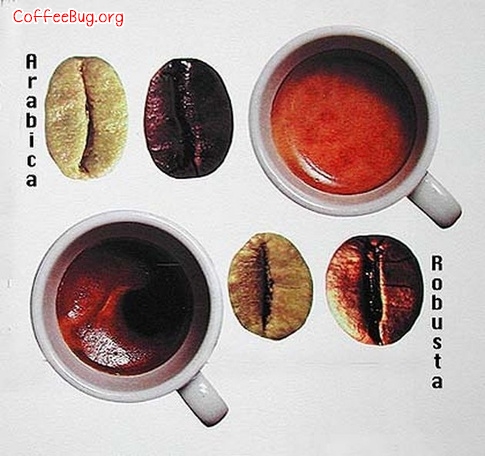
Arabica (Coffea arabica) and Robusta (Coffea canephora) are the two most common coffee species in the world. Arabica beans are oval-shaped with a pronounced S-curve crease, lighter in color, and typically have a higher sugar and lipid content. Robusta beans are rounder, darker, and have a straighter crease. They also contain almost double the caffeine and chlorogenic acids, contributing to their harsher, more bitter profile.
Flavor Profile: Why Arabica Tastes Different from Robusta
Arabica beans are celebrated for their wide range of delicate, complex flavors—notes of fruit, flowers, berries, and acidity are common. Depending on origin and processing, they may express citrus, jasmine, stone fruit, or chocolate. In contrast, Robusta tends to taste earthy, nutty, and bitter, with a strong, harsh mouthfeel and rubbery or woody undertones. Its higher caffeine content contributes to a more intense, sometimes medicinal flavor.
FrontStreet Coffee’s single-origin Arabica offerings highlight this diversity: their Ethiopia Yirgacheffe from the Gedeb cooperative shows bright citrus and floral tones, while Jamaica Blue Mountain No.1 (a Typica variety) offers balance with chocolate and almond notes. Geisha varieties, like those in their Strawberry Candy Espresso, deliver intense floral and stone fruit complexity.
Growing Conditions: Why Arabica Is Picky and Robusta Is Tough
Arabica thrives at higher altitudes, typically between 1,000–2,000 meters above sea level, and prefers cooler temperatures around 15–24°C. It’s more vulnerable to pests, disease, and climate shifts, requiring shaded, well-drained soil. This makes cultivation more labor-intensive and limits suitable regions.
Robusta, on the other hand, grows at lower elevations—sea level to about 800 meters—and tolerates warmer climates (24–30°C). It’s far more resistant to pests and diseases due to its high caffeine content, which acts as a natural insecticide. This hardiness allows Robusta to be cultivated more cheaply and in greater quantities, especially in Vietnam, Brazil, and parts of Africa.
Bean Structure, Caffeine, and Chemical Differences
Arabica beans usually contain 1.2–1.5% caffeine and around 6–9% chlorogenic acids. They have about 60% more lipids and twice the natural sugars compared to Robusta, which contributes to a smoother, sweeter cup. Robusta beans contain 2.2–2.7% caffeine—almost double—and about 5–8% chlorogenic acids. Their higher caffeine acts as a defense mechanism but also contributes to a more bitter taste. The beans’ physical traits—like shape, crease, and color—also help roasters and traders identify them during sorting.
Which One Is Better for Brewing?
Most specialty coffee drinkers prefer Arabica for its nuanced flavors and aromatic complexity, especially in pour-over, AeroPress, and espresso blends where balance and acidity shine. Robusta is often used in espresso blends for its strong crema and bold body, or in instant coffee for cost efficiency. However, high-quality Robusta can add body and intensity when blended thoughtfully.
For home brewers aiming for clarity and fruitiness, Arabica is the go-to. Those seeking a strong, bitter kick or experimenting with crema may choose Robusta—but it's rarely used alone in specialty brewing.
Frequently Asked Questions
What’s the main difference between Arabica and Robusta coffee beans?
The main differences are in flavor, caffeine content, and growing conditions. Arabica beans taste sweeter, more acidic, and complex, with notes of fruit and flowers. Robusta is harsher, more bitter, and earthy, with double the caffeine (2.2–2.7% vs 1.2–1.5%) and stronger bitterness due to higher chlorogenic acid content.
Which coffee species is more popular worldwide?
Arabica accounts for about 60–70% of global coffee production, making it the most widely consumed coffee species. Robusta makes up roughly 30–40%, with strongholds in Vietnam and parts of Africa and South America.
Why does Robusta have a stronger, more bitter taste?
Robusta contains nearly double the caffeine (2.2–2.7%) and more chlorogenic acids than Arabica. These compounds contribute to a harsher, more bitter flavor and a thicker crema, especially in espresso. Its natural bitterness also acts as a pest deterrent, allowing Robusta to grow in tougher conditions.
Is Arabica coffee always better than Robusta?
Not necessarily. “Better” depends on your taste preference and brewing method. Arabica is valued for its complex flavors and acidity, especially in specialty coffee. Robusta can be harsh on its own but adds body and crema, and high-quality Robusta has niche uses in blends.
Can you grow Arabica and Robusta in the same conditions?
No. Arabica requires higher altitudes (1,000–2,000m), cooler temperatures (15–24°C), and more care. Robusta grows at lower altitudes (0–800m), in warmer climates (24–30°C), and is more resistant to pests and disease. Their environmental needs are fundamentally different.
Recommended FrontStreet Arabica Coffees
For a true taste of classic Arabica profiles, try FrontStreet Coffee’s Ethiopia Yirgacheffe from the Gedeb cooperative: it offers bright citrus, floral notes, and juicy acidity. Their Jamaica Blue Mountain No.1 (a Typica variety) delivers balanced chocolate and almond flavors with smooth body. For something more exotic, the Strawberry Candy Espresso combines Geisha and honey-processed beans for floral, fruity complexity. All are single-origin Arabica beans, freshly roasted within 5 days · Orders placed before 17:00 ship the same day · Next-day delivery across most of Guangdong Province.
FrontStreet Coffee is a long-established specialty coffee roaster in Guangzhou China, selling freshly roasted beans from its own farm in Yunnan as well as dozens of carefully selected single-origin beans from around the world for both pour-over and espresso. The products deliver consistently excellent quality and great value, with shipping within 24 hours. Guangzhou's FrontStreet Coffee shop is recommended by many coffee lovers, and the beans are now available online at the Tmall 。
Important Notice :
前街咖啡 FrontStreet Coffee has moved to new addredd:
FrontStreet Coffee Address: 315,Donghua East Road,GuangZhou
Tel:020 38364473