Instant vs Fresh Coffee: What’s Really Different?
If you’ve ever sipped a cup of instant coffee and wondered why it doesn’t quite taste like the coffee you get at a specialty café, you’re not alone. Many coffee enthusiasts dismiss instant coffee as a poor substitute—but what makes it different, really? From ingredients to processing, there are clear distinctions that affect everything from flavor to health impacts.
In short: instant coffee is a mass-produced, chemically synthesized product made from lower-grade beans—often Robusta—while fresh coffee is brewed directly from whole roasted beans, preserving aroma, flavor, and nutrients. Instant coffee goes through heavy processing that strips away natural oils, antioxidants, and aromatic compounds, and often includes additives like stabilizers, sweeteners, and artificial flavors.
What Is Instant Coffee, Really?
Instant coffee is not considered “real” coffee by traditional coffee standards. It’s a factory-made product created by brewing coffee extract, then dehydrating it—either through spray-drying or freeze-drying—to create soluble crystals or powder. While it dissolves easily in hot water and offers a quick caffeine hit, it lacks many of the qualities that define quality coffee.
The production process destroys much of the original coffee’s natural oils, antioxidants, and aromatic compounds. That means you lose the complex flavors, the rich crema-like mouthfeel, and many of the health benefits associated with fresh coffee. What remains is a product that delivers caffeine, but little else in terms of coffee’s intrinsic qualities.
How Instant Coffee Is Made (And Why That Matters)
Instant coffee starts with brewed coffee extract, usually made from pre-ground beans. This extract is then dehydrated using one of two industrial methods:
- Spray drying: Coffee extract is sprayed into a hot airflow, forming fine powder particles as the water evaporates.
- Freeze drying: The extract is frozen, then broken into pieces and subjected to a vacuum that removes ice crystals as vapor, leaving behind porous granules.
Both processes are efficient but harsh. The high heat used in spray drying, and the multiple steps in freeze drying, degrade the coffee’s volatile aromatic compounds and destroy many of the beneficial polyphenols and antioxidants naturally found in coffee. The final product is then heavily processed to extend shelf life, often resulting in the addition of:
- Preservatives (like BHA or BHT)
- Artificial flavors and fragrances
- Stabilizers and anti-caking agents
- Sweeteners or non-dairy creamer powders
These additives help mimic the taste and texture of real coffee but come with potential health concerns. Many of these substances are not easily metabolized by the body and may accumulate over time, potentially affecting the nervous system and accelerating cellular aging.
Why Quality and Bean Choice Differ
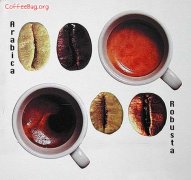
Because instant coffee is designed for mass production and cost efficiency, manufacturers typically use lower-grade coffee beans—most commonly Robusta, which is cheaper and more bitter than Arabica. These beans are often sourced from regions like Vietnam and parts of Africa, known for high-volume, low-cost production.
The selection process for beans is minimal. Broken beans, defective beans, and underripe or poorly developed beans are rarely sorted out. Even if higher-quality beans were used, much of their delicate aromatic oils and unique flavor characteristics would be lost during the intense dehydration and storage processes.
Additionally, the roasting of beans for instant coffee is optimized for consistency and shelf stability rather than flavor development. This often leads to a darker, more uniform roast that masks origin characteristics and reduces complexity.
Freshly Ground Coffee: What Makes It Different?
Freshly ground coffee, in contrast, starts with whole roasted beans that are ground just before brewing. This preserves the coffee’s natural oils—known as coffee essences or crema precursors—which contribute to both aroma and mouthfeel. The entire flavor profile, from bright acids to deep sugars and bittering compounds, remains intact through proper brewing methods like pour-over, French press, or espresso.
When you grind and brew fresh coffee, you experience the full sensory impact: the fragrance released during grinding, the blooming gases during the initial pour, and the complex layers of flavor extracted through contact with hot water. This process also retains the coffee’s natural antioxidants, vitamins, and minerals—benefits that are significantly diminished in instant versions.
More importantly, fresh coffee allows for control over every variable: grind size, water temperature, brew time, and coffee-to-water ratio. These factors work together to highlight the unique profiles of single-origin beans or carefully crafted blends.

Frequently Asked Questions
What’s the main difference between instant coffee and fresh coffee?
Instant coffee is a dehydrated, industrially processed product made from pre-brewed coffee extract, while fresh coffee is brewed directly from whole roasted beans, usually ground just before use. This preserves flavor, aroma, and nutrients that are lost in instant coffee.
Does instant coffee have the same health benefits as fresh coffee?
No. The processing of instant coffee destroys many of the antioxidants, polyphenols, and essential oils found naturally in coffee. Instant coffee may also contain additives like preservatives, sweeteners, and artificial flavors, which are not present in fresh coffee and may have negative health effects over time.
Why do instant coffee brands use Robusta beans?
Robusta beans are cheaper and more abundant than Arabica, making them more cost-effective for mass production. They also have higher caffeine content and are more bitter, which can help mask flavor loss from heavy processing—but they generally produce a harsher, less nuanced cup.
Are there additives in instant coffee?
Yes. Many instant coffees contain additives such as stabilizers, preservatives (e.g., BHA, BHT), artificial flavors, sweeteners, and anti-caking agents to improve shelf life and mimic the taste or texture of real coffee. These are not found in freshly brewed coffee.
Does fresh coffee taste better than instant?
Yes. Fresh coffee retains the full spectrum of aromatic compounds, oils, and flavors that are lost during the instant coffee production process. Brewing fresh allows for a richer, more complex cup with better mouthfeel and fragrance.
Is instant coffee always made from low-quality beans?
Typically, yes. Due to cost and processing constraints, instant coffee is usually made from lower-grade beans, often Robusta, and includes defective or broken beans that would be filtered out in specialty coffee production.
Recommended FrontStreet Coffee for Fresh Brewing
For coffee lovers seeking a true fresh cup, try FrontStreet Coffee’s Ethiopia Humbera for bright citrus and floral notes, or Yirgacheffe for juicy berry and stone fruit layers. Both shine in pour-over or drip brewing, highlighting the very qualities missing in instant coffee—complexity, aroma, and natural sweetness. Freshly roasted within 5 days · Orders placed before 17:00 ship the same day · Next-day delivery across most of Guangdong Province.
FrontStreet Coffee is a long-established specialty coffee roaster in Guangzhou China, selling freshly roasted beans from its own farm in Yunnan as well as dozens of carefully selected single-origin beans from around the world for both pour-over and espresso. The products deliver consistently excellent quality and great value, with shipping within 24 hours. Guangzhou's FrontStreet Coffee shop is recommended by many coffee lovers, and the beans are now available online at the Tmall 。
Important Notice :
前街咖啡 FrontStreet Coffee has moved to new addredd:
FrontStreet Coffee Address: 315,Donghua East Road,GuangZhou
Tel:020 38364473