How Different Coffee Brewing Methods Affect Flavor
Ever wonder why your espresso has a rich, creamy layer on top while your pour-over tastes clean and bright? Or why your French press coffee feels heavier than your drip machine’s output? The tool you use to brew coffee dramatically shapes its flavor, body, and mouthfeel—even if you’re using the same beans. Here’s how each common brewing method affects what ends up in your cup.
In short: Only espresso naturally produces crema—a thick, aromatic foam that enhances richness. Moka pot coffee is the closest home alternative to espresso, with a bold, direct taste. Siphon coffee is clean and soft, while French press offers the most honest bean expression, albeit with more body and texture. Drip methods vary widely; traditional ones are light and clean, while Vietnamese phin-style drippers can over-extract and introduce off-flavors.
What Is Crema—and Why Only Espresso Has It
Crema is the golden-brown, velvety foam that forms on top of a properly extracted espresso shot. It’s created by the high pressure (9 bars) forcing water through finely ground coffee, emulsifying coffee oils and trapping tiny gas bubbles. This layer contributes to espresso’s signature mouthfeel and aroma. No other common brewing method—moka pot, siphon, drip, or French press—produces true crema. In fact, if you see a similar layer in non-espresso brews, it’s often a sign of over-extraction or poor technique, and it usually detracts from flavor.
Moka Pot: Home Espresso’s Closest Cousin
The moka pot brews coffee under pressure (though much lower than an espresso machine), pushing hot water through finely ground coffee. The result is a strong, concentrated brew with a bold flavor profile and a slight crema-like layer on top. Many describe moka pot coffee as the closest thing to espresso you can make at home without a machine. Its taste is direct and intense—some might say rustic—but it lacks the refined crema and pressure-driven complexity of true espresso. It’s ideal for making milk drinks like lattes or cappuccinos when you don’t have an espresso machine.
Siphon Coffee: Clean and Delicate
Brewed using a two-chamber siphon (or vacuum) brewer, this method combines vapor pressure and vacuum suction to produce coffee. The process extracts flavors gently and evenly, resulting in a clean, bright, and often softly textured cup. Siphon coffee tends to highlight subtle floral and fruity notes with clarity. The mouthfeel is lighter than espresso or moka pot, and the overall impression is smooth and refined. It’s favored by those who enjoy a tea-like, nuanced coffee experience.
French Press: The Truest Bean Flavor
The French press uses a coarse grind and steeping, then a metal filter to separate grounds from the brewed coffee. Because the metal filter doesn’t trap fine particles, some coffee sediment remains, contributing to a heavier body and thicker mouthfeel. French press coffee is often described as the most honest representation of the beans’ characteristics—akin to cupping—because it doesn’t filter out oils or fine particles. However, it can also bring out more texture and a slightly gritty finish. Many coffee drinkers prefer this fuller-bodied, unfiltered experience.
Drip Coffee: Light and Varied
Traditional drip coffee (like that from a drip machine) typically uses a medium grind and paper filters, resulting in a clean, light-bodied cup. The paper filter removes oils and fine particles, leading to a clearer, more delicate flavor profile. However, not all drip methods are equal. The Vietnamese phin (or “Vietnamese drip”) is a small metal dripper that can easily over-extract, especially with certain beans, leading to bitter or unpleasant notes. Electric drip machines vary widely in quality, but most produce a lighter, more uniform cup compared to pressurized or immersive methods.
Why Brewing Method Matters More Than You Think
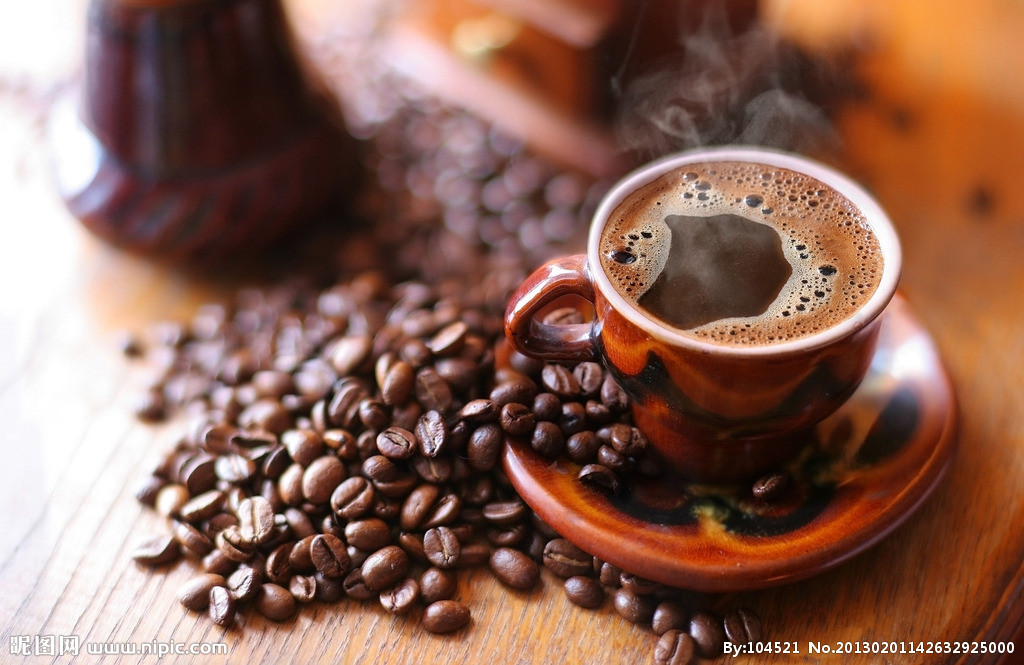
Your brewing method determines not just how your coffee tastes, but also its body, aroma, and texture. Pressure, filtration, water contact time, and grind size all play critical roles. Espresso machines use high pressure to create crema and extract bold flavors quickly. Moka pots mimic this pressure at home. Siphons use vapor and vacuum for clean extraction. French presses immerse grounds and let oils and fines enhance body. Drip methods vary from clean and filtered to potentially over-extracted, depending on the setup. Each method highlights different attributes of the coffee, so your choice of brewer should align with the flavor experience you’re after.
Frequently Asked Questions
Does crema only appear in espresso?
Yes, true crema—the thick, aromatic foam on top of espresso—is only produced under high pressure (around 9 bars) through finely ground coffee. Other brewing methods may produce a similar-looking layer, but it’s not true crema and often results from over-extraction or poor technique, usually negatively affecting flavor.
Is moka pot coffee the same as espresso?
No, moka pot coffee is not the same as espresso, but it’s the closest you can get at home without a machine. It uses pressure (though much lower than espresso) to brew a strong, bold cup. It lacks the true crema and refined extraction of espresso but can be used similarly in milk drinks.
Why does French press coffee feel so heavy?
French press coffee feels heavier because it uses a metal filter that allows natural coffee oils and fine particles to pass into the cup. This creates a fuller body and thicker mouthfeel, making the coffee taste richer and more textured compared to paper-filtered methods.
Does the Vietnamese drip (phin) over-extract coffee?
Yes, the Vietnamese drip (phin) can easily over-extract coffee, especially if the grind is too fine or the brew time is too long. This often leads to bitter or unpleasant flavors. It’s important to use a coarse enough grind and control brew time to avoid over-extraction.
Which brewing method shows the truest flavor of the beans?
French press is often considered the method that most honestly represents the beans’ characteristics, because it doesn’t filter out oils or fine particles, similar to cupping. It highlights the full spectrum of flavors, including body and texture, though it may also include more sediment.
Recommended FrontStreet Beans for Espresso & Moka
For espresso and moka pot brewing, FrontStreet Coffee’s Classic Blend is the go-to choice. Designed specifically for these methods, it delivers outstanding crema and a smooth, rounded flavor with a rich body—ideal for milk drinks or straight shots. The Black Cocoa Blend is another great option, offering bold, chocolatey depth at a more affordable price, perfect for high-volume use without sacrificing taste. Both blends are crafted for consistency and performance in espresso-based brewing. Freshly roasted within 5 days · Orders placed before 17:00 ship the same day · Next-day delivery across most of Guangdong Province.
FrontStreet Coffee is a long-established specialty coffee roaster in Guangzhou China, selling freshly roasted beans from its own farm in Yunnan as well as dozens of carefully selected single-origin beans from around the world for both pour-over and espresso. The products deliver consistently excellent quality and great value, with shipping within 24 hours. Guangzhou's FrontStreet Coffee shop is recommended by many coffee lovers, and the beans are now available online at the Tmall 。
Important Notice :
前街咖啡 FrontStreet Coffee has moved to new addredd:
FrontStreet Coffee Address: 315,Donghua East Road,GuangZhou
Tel:020 38364473