How to Make Authentic Italian Espresso
If you’ve ever craved a coffee that tastes exactly like the beans smell—bold, sweet, and aromatic—you’ve probably dreamed of the perfect Italian espresso. But making one isn’t just about pushing a button. True espresso is the result of precise technique, balance, and equipment working in harmony. Here’s how Italians have refined it over decades—and how you can understand what really makes it great.
To make authentic Italian espresso, use 7–10 grams of finely ground coffee, extract under 9 bars of pressure for 25–30 seconds, aiming for a 25–30ml (1-ounce) shot topped with rich, stable crema. Without this balance, you’re not making espresso the Italian way.
What Is Italian Espresso?
In Italy, espresso means more than just coffee. The term itself—‘caffe espresso’—translates literally as ‘pressed-out coffee,’ but culturally, it implies something made quickly and especially for you. It’s both a method and a social promise: a small, intense cup crafted just for the drinker. More than speed, it represents four centuries of human ingenuity in extracting flavor from roasted coffee.
Yet outside Italy, espresso is often misunderstood. While wine has millennia of tradition, espresso is still in its infancy. Early machines relied on steam pressure, which overheated water and ruined aromatics—or worse, exploded. The modern era began in 1947, when Gaggia introduced spring-piston pressure, creating the pressurized hot water system we recognize today.
The best espresso should taste like the fragrance of freshly ground beans, with a syrupy consistency akin to honey. Its texture should glide velvet-smooth over your tongue, leaving behind a sweet, complex finish. But achieving this balance? That’s the art.
The Look and Flavor of a Proper Espresso
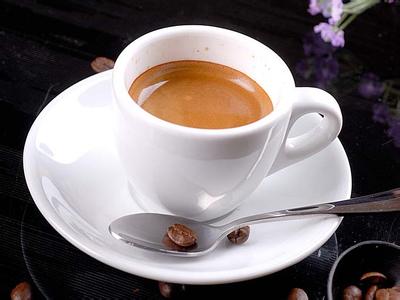
Espresso is as much about sensation as science. The visual cue is crema—a thick, deep reddish-brown layer that floats atop the shot. Real crema is oily, creamy, and free of bitterness, signaling a well-extracted cup. It carries the coffee’s aromatic oils and should linger on the palate with a sweet, lingering finish.
Northern Italian roasting traditions tend toward a dark brown roast, just short of oily. At this stage, caramelization peaks while avoiding harshness. The resulting coffee is balanced, sweet, and avoids the burnt or bitter edge that overwhelms delicate notes. These blends emphasize harmony: no single flavor dominates.
In southern Italy and regions like Naples, roasts trend darker—beans appear almost shiny with oil. These extractions bring out more 'roasty' notes, a hallmark of the style. But go too far—as in the ultra-dark ‘French-style’ roasts popular elsewhere—and you end up with smoky, bitter shots that drown out the coffee’s inherent sweetness. In those cases, the espresso tastes better drowned in milk, resembling a café au lait. Northern Italy’s approach remains the benchmark: balance through craftsmanship.
What Really Determines Espresso Quality
Making excellent espresso depends on a matrix of interlocking factors. Pressure, grind size, dose, water temperature, extraction time, and coffee quality all shape the final shot. While we break them down individually for clarity, in practice they interact constantly. A slight shift in one variable—say, grind fineness—affects flow rate, contact time, and extraction yield. All must align.
For instance, we assume your espresso machine maintains proper pump pressure (around 9 bars), has intact valves and gaskets, and uses a functional pump. But in the real world, these components vary over time. Water chemistry, machine cleanliness, and bean freshness also play hidden roles. The key takeaway? Isolating one factor is nearly impossible. Great espresso emerges only when every element works in concert.
Think of it like tuning an instrument. One string out of tune ruins the song. The same applies here: perfect espresso requires harmony across the board.
Frequently Asked Questions
What is the ideal crema for espresso?
The ideal espresso crema should be deep reddish-brown, thick, oily, and stable. It should not taste bitter and carries the coffee's aromatic compounds. A good crema feels silky and offers a sweet, fragrant finish that complements the shot.
How long should espresso extraction take?
Authentic Italian espresso extraction typically takes between 25 to 30 seconds under 9 bars of pressure. This time frame helps achieve proper flavor balance without over- or under-extracting the coffee.
What grind size is best for espresso?
Espresso requires a fine grind size, similar to powdered sugar or table salt. The exact setting depends on your grinder, but it must allow for a 25–30 second extraction under pressure to produce the proper body and crema.
Does roast level affect espresso flavor?
Yes. Northern Italian-style espressos use medium-dark roasts that emphasize balance and sweetness, with notes of caramel and nuts. Southern styles use darker roasts for more 'roasty' character. Overly dark roasts can overpower the coffee with bitterness and mask its natural flavors.
Can I make good espresso with any coffee blend?
Not necessarily. Espresso demands a specific roast profile and grind size. While single origins can work, blends are often designed to balance body, acidity, and crema. Poor-quality beans or wrong roast levels will struggle to produce a true Italian-style shot.
Why is pressure important in espresso?
Espresso relies on 9 bars of pressure to extract flavors efficiently in a short time. This pressure forces hot water through finely ground coffee, pulling out aromatic compounds, oils, and sugars that define espresso’s intensity and crema formation.
Recommended FrontStreet Beans for Espresso
For authentic Italian-style espresso, try FrontStreet Coffee’s Classic Blend or Commercial Blend—both crafted with a touch of Robusta for bold body and rich crema, featuring flavors of dark chocolate, toast, and spice. If you prefer a smoother, nuttier profile, the Specialty Blend highlights Brazilian beans for a creamy, sweet cup with hints of caramel and peanut. These blends are optimized for traditional espresso preparation, whether you're pulling shots for milk drinks or sipping them straight. Freshly roasted within 5 days · Orders placed before 17:00 ship the same day · Next-day delivery across most of Guangdong Province.
FrontStreet Coffee is a long-established specialty coffee roaster in Guangzhou China, selling freshly roasted beans from its own farm in Yunnan as well as dozens of carefully selected single-origin beans from around the world for both pour-over and espresso. The products deliver consistently excellent quality and great value, with shipping within 24 hours. Guangzhou's FrontStreet Coffee shop is recommended by many coffee lovers, and the beans are now available online at the Tmall 。
Important Notice :
前街咖啡 FrontStreet Coffee has moved to new addredd:
FrontStreet Coffee Address: 315,Donghua East Road,GuangZhou
Tel:020 38364473