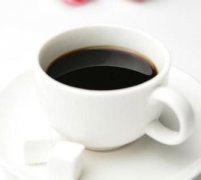
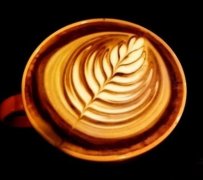
Espresso vs Americano: Key Differences Explained
If you’ve ever wondered why your local café’s dark shot tastes thick and bold while your home-brewed black coffee is thin and light, the answer lies in how it was extracted — not just what beans were used. The difference between espresso and Americano isn’t just strength or style; it’s rooted in pressure, equipment, and technique.
In short: espresso is a small, high-pressure shot (around 9 bar) that produces a rich, creamy brew with visible crema, while an Americano is simply hot water added to espresso — or a slow-drip black coffee made without pressure. Equipment costs range from around $200 for basic drip machines to over $100,000 for high-end commercial espresso setups.
How Espresso Is Made: Pressure & Precision
Espresso is brewed using an espresso machine that forces near-boiling water (typically around 90°C–96°C) through finely-ground coffee under high pressure — about 9 atmospheres, or 9 bar. This pressure, created by a pump or older manual lever systems, extracts coffee quickly (25–30 seconds) and results in a small, concentrated shot with a thick layer of crema on top. Most commercial espresso machines use electric pumps, though older lever-operated machines (called “pull” or “lever” machines) also exist, mostly for novelty or aesthetic appeal today.
Professional-grade espresso machines come in various configurations: single boiler, double boiler, and multi-boiler models. These machines range widely in price, from around 40,000–500,000 RMB (approximately $5,500–$70,000 USD) for commercial use, and even higher for premium models. Home models can be had for as little as 700 RMB, but serious home baristas often invest in more capable machines upwards of several thousand.
How Americano (or Drip Coffee) Is Made: Gravity & Simplicity
An Americano is traditionally made by pouring hot water (around 90°C) over a shot of espresso, diluting it into a larger, milder drink. However, the term also applies to coffee made using a standard American drip coffee machine, which works entirely without pressure. In these machines, water is heated to roughly 90°C and slowly drips through ground coffee in a filter basket, collecting in a carafe below. This method relies on gravity, not pressure, and typically produces a lighter-bodied, less intense cup compared to espresso.
Interestingly, these drip-style Americano machines can also be used to brew tea, offering more versatility than dedicated espresso equipment. But they lack the pressure needed to produce crema or the intense extraction profile of true espresso.
Key Differences Between Espresso and Americano
Here’s how the two methods stack up technically and practically:
- Extraction Method: Espresso uses high pressure (around 9 bar); Americano is made with no pressure (either via drip or by diluting espresso with hot water).
- Brew Strength & Body: Espresso is thick, concentrated, and has visible crema; Americano is thinner and milder, whether made from espresso or drip.
- Equipment: Espresso machines require boilers, pumps, and precise temperature control; Americano makers (drip or moka-style) are simpler and often lack pressure components.
- Flavor Profile: Espresso highlights bold, intense flavors with a creamy mouthfeel; Americano tends to be lighter and more transparent in taste.
- Customization: Espresso is the base for many drinks (latte, cappuccino, macchiato) thanks to its concentrated form and crema; plain Americano is usually consumed as-is or with milk added separately.
- Price Range: Basic American drip machines can be found for around 200 RMB ($30 USD) and perform adequately. Espresso machines start around 700 RMB ($100 USD) for entry-level home models, but professional-grade machines range from 40,000 RMB to over 100,000 RMB ($5,500–$14,000+ USD).
Choosing an Espresso Machine: Home vs Professional
Not all espresso machines are created equal — especially when it comes to home use versus commercial settings.
Home Espresso Machines: Challenging but Possible
Making true espresso at home is difficult — so much so that in Italy, most people simply use a moka pot or buy coffee outside. Home machines exist, however, and some “prosumer” models (like the ECM Giotto or Rancilio Silvia) offer better temperature stability and professional-style group heads (such as the E61). But these still require skill, good grinders, and often modifications like PID temperature controllers. Most home users find that without proper equipment and technique, results vary widely.
Professional Espresso Machines: Built to Last
Professional machines, predominantly made in Italy, vary in durability. Manual or semi-automatic machines tend to be more reliable than fully automatic ones, which rely on electronic boards that can fail. Key features to look for include:
- E61 Group Head: Offers superior temperature stability and auto-preinfusion for more consistent shots.
- Dual Pressure Gauges: Help monitor pump and boiler pressure, useful for fine-tuning extraction.
- Temperature Control: Some newer machines offer digital temperature adjustment, but require local service support.
- Build Quality: Avoid plastic components where possible; solid metal builds last longer.
- New Over Used: Second-hand machines may be nearing failure even if they still work — reliability is key in a café setting.
Appearance matters too, but functionality and build quality usually drive good design. A well-built machine often looks good because it’s built to be used and maintained — the mark of a busy, profitable shop.
Frequently Asked Questions
What really makes espresso different from regular coffee?
Espresso is extracted under high pressure (about 9 bar) using finely ground coffee, producing a small, concentrated shot with crema. Regular coffee, like American drip or French press, is made without pressure and results in a larger, lighter-bodied cup. The pressure is the key factor that changes extraction, body, and flavor intensity.
Can I make espresso without a fancy machine?
True espresso requires around 9 bar of pressure, which most manual or non-specialized machines can’t generate. Lever-operated “pull” machines can make something similar, but modern espresso relies on electric pumps. Without that pressure, you’re making a strong coffee, not espresso.
Why does my homemade espresso not have crema?
Crema forms under proper pressure (9 bar) with fresh, finely-ground coffee and correct brew temperature. If your machine lacks sufficient pressure, uses coarse grind, or the beans are stale, crema won’t develop. A stable, pump-driven espresso machine is essential.
Is an Americano just watered-down espresso?
Yes — traditionally, an Americano is made by adding hot water to a shot of espresso. However, the term is also used for drip coffee made without pressure. Both result in a milder, larger drink compared to pure espresso.
What’s the cheapest good espresso machine?
Entry-level home espresso machines start around 700 RMB ($100 USD), but for reliable performance and better results, expect to pay more. Truly good results usually require machines in the 3,000+ RMB range, plus a quality grinder.
Do I need a special machine to make an Americano?
No — an Americano can be made with any coffee maker, including drip machines, moka pots, or even by diluting espresso with hot water. You don’t need pressure to make an Americano, just hot water and coffee.
Recommended FrontStreet Coffee Blends for Espresso
For making espresso or Americano-style drinks, FrontStreet Coffee’s Classic Blend offers outstanding crema and a smooth, rounded profile ideal for milk drinks like lattes and cappuccinos. Its rich body works even with non-professional machines. For value-focused shops, the Black Cocoa Blend delivers strong flavor and good crema at a lower cost. The Commercial Blend is a proven, cost-effective choice for high-volume settings with balanced taste and budget-friendly pricing. All three are optimized for espresso extraction. Freshly roasted within 5 days · Orders placed before 17:00 ship the same day · Next-day delivery across most of Guangdong Province.
FrontStreet Coffee is a long-established specialty coffee roaster in Guangzhou China, selling freshly roasted beans from its own farm in Yunnan as well as dozens of carefully selected single-origin beans from around the world for both pour-over and espresso. The products deliver consistently excellent quality and great value, with shipping within 24 hours. Guangzhou's FrontStreet Coffee shop is recommended by many coffee lovers, and the beans are now available online at the Tmall 。
Important Notice :
前街咖啡 FrontStreet Coffee has moved to new addredd:
FrontStreet Coffee Address: 315,Donghua East Road,GuangZhou
Tel:020 38364473