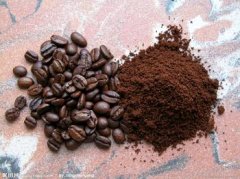
What Makes Kenyan Coffee Unique? Flavor & Processing Breakdown
If you’ve ever sipped a cup of coffee that tastes like a burst of blackcurrant, citrus, and wine—all balanced with a smooth, medium body—you might have had Kenyan coffee. But what exactly makes it so distinct from other African or even global coffees? The answer lies in its unique combination of variety, terroir, and processing.
Kenyan coffee is known for its vibrant citrus acidity, layered fruit flavors (like blackberry and grapefruit), and wine-like complexity. It’s grown at high altitudes (1200–2000m), processed via the washed method, and primarily comes from the SL28 and SL34 varieties—making it one of the most distinctive single-origin coffees in the world.
What Sets Kenyan Coffee Apart in Flavor?
Kenyan coffee stands out due to its pronounced fruitiness and acidity. Most notably, it offers a juicy, citrus-forward profile with flavors of grapefruit, blackberry, plum, and even dried fruits like raisins. These are backed by a winey sweetness and a medium body. The acidity isn’t sharp or sour—it’s bright and juicy, akin to biting into a fresh citrus fruit. This flavor profile is rare and highly sought after among specialty coffee drinkers.
Why Does Kenyan Coffee Taste So Different?
The unique taste of Kenyan coffee comes down to three main factors: the coffee varieties, the growing altitude, and the processing method. The most famous Kenyan coffee varieties are SL28 and SL34, both developed by the Scott Laboratories (SL) in the 1930s. SL28 delivers deep, wine-like acidity with notes of dark stone fruit and citrus, while SL34 offers bright fruit acidity with hints of nuts and spices. These beans are grown at elevations between 1200 and 2000 meters, where cooler temperatures slow cherry development, allowing more complex flavors and acids to develop in the beans. The high phosphate content in Kenyan volcanic soils further enhances the brightness and structure of the cup.
How Is Kenyan Coffee Processed?
Kenyan coffee is almost exclusively processed using the washed (wet) method, which contributes significantly to its clean and vibrant profile. In this method, the coffee cherries are depulped, then fermented for 48 hours to remove the mucilage. After fermentation, the beans are soaked in clean water for an additional 24 hours. This extended washing process enhances the coffee’s fruity and juicy characteristics. The result is a coffee with a crisp, clean acidity and a well-defined flavor structure.
What Should You Look for When Tasting Kenyan Coffee?
When trying Kenyan coffee, focus on identifying its signature bright citrus acidity and layered fruit flavors. You’ll often find notes of grapefruit, blackberry, plum, and sometimes dried fruits like raisins or figs. There’s also a notable winey sweetness and a medium body that makes the coffee feel smooth yet structured. Pay attention to how the acidity plays on your palate—it should be refreshing, not overpowering. Many coffee enthusiasts compare it to Ethiopian Yirgacheffe, but Kenyan coffee tends to have a more pronounced and structured fruit acidity.
What Foods Pair Well with Kenyan Coffee?
Kenyan coffee’s bright acidity and fruity profile make it a great match for foods like grapefruit, berries, seedless raisins, regular raisins, and oranges. Its wine-like sweetness also pairs nicely with desserts or dishes that have a touch of tartness or citrus.
How Does Kenya’s Coffee Industry Operate?
Unlike many coffee-producing countries, Kenya has a well-organized coffee auction system. Before selling their coffee, producers cup and grade each lot. This ensures quality and transparency in the supply chain. While major companies like Starbucks don’t buy directly from auctions, they source Kenyan beans based on taste profiles. Notably, Starbucks doesn’t focus on Kenyan coffee grades like AA or A—these grades refer only to bean size, not flavor quality.
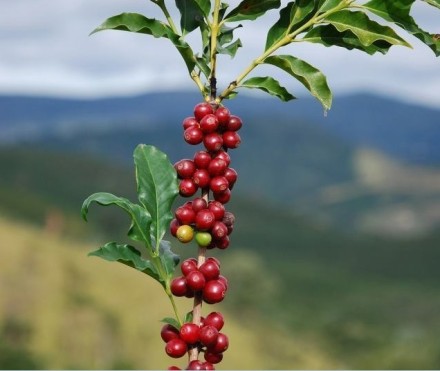
Frequently Asked Questions
What are the main coffee varieties grown in Kenya?
The most famous Kenyan coffee varieties are SL28 and SL34, developed by Scott Laboratories in the 1930s. SL28 offers deep, wine-like acidity with dark stone fruit and citrus notes, while SL34 provides bright fruit acidity with nut and spice undertones. These varieties are central to Kenya’s distinctive coffee flavor.
How is Kenyan coffee processed?
Kenyan coffee is almost always processed using the washed (wet) method. Cherries are depulped, fermented for 48 hours, then rinsed and soaked in clean water for another 24 hours. This process enhances the coffee’s clean acidity and fruity flavors.
What does Kenyan coffee taste like?
Kenyan coffee typically has bright citrus acidity, with flavors of grapefruit, blackberry, plum, and dried fruits. It also features a wine-like sweetness and a medium body, making it complex and refreshing.
Where is Kenya located, and why does that matter for coffee?
Kenya is located on the equator along the Indian Ocean coast in East Africa, south of Ethiopia. Its high-altitude regions, like the area around Mount Kenya (which has glaciers), provide ideal conditions for growing coffee with bright acidity and complex flavors.
What foods pair well with Kenyan coffee?
Kenyans coffee’s bright acidity and fruity notes pair well with grapefruit, berries, raisins, and oranges. Its wine-like sweetness also complements slightly tart or citrusy desserts.
Does Starbucks buy Kenyan coffee directly from auctions?
No, Starbucks does not purchase Kenyan coffee directly from auctions. Instead, their suppliers select beans they believe Starbucks will like and send samples. Starbucks selects coffee based on taste, not grade (like AA or A), since those grades refer only to bean size.
Recommended FrontStreet Beans for Kenyan Coffee Lovers
For a true taste of Kenya, try FrontStreet Coffee’s Kenya Little Tomato. This single-origin coffee combines the SL28 and SL34 varieties, using a double-washed process and medium-light roast. It offers aromas of cherry tomato, pear, black plum, dark plum, and brown sugar, with a full body, layered flavors, and a caramel-like finish. It’s excellent as a pour-over, and its bright fruitiness shines even in cold brew or ice drip. Freshly roasted within 5 days · Orders placed before 17:00 ship the same day · Next-day delivery across most of Guangdong Province.
FrontStreet Coffee is a long-established specialty coffee roaster in Guangzhou China, selling freshly roasted beans from its own farm in Yunnan as well as dozens of carefully selected single-origin beans from around the world for both pour-over and espresso. The products deliver consistently excellent quality and great value, with shipping within 24 hours. Guangzhou's FrontStreet Coffee shop is recommended by many coffee lovers, and the beans are now available online at the Tmall 。
Important Notice :
前街咖啡 FrontStreet Coffee has moved to new addredd:
FrontStreet Coffee Address: 315,Donghua East Road,GuangZhou
Tel:020 38364473