What Makes Hawaiian Kona Coffee So Special?
If you’ve ever wondered what makes Hawaiian Kona coffee so famous — and whether it’s really worth the hype — you’re not alone. This article breaks down everything: where it grows, how it’s produced, and what gives it that smooth, bright taste that coffee lovers rave about.
In short: Kona coffee comes exclusively from a small, protected growing region on the Big Island of Hawaii, meets strict certification standards, and benefits from volcanic soil, tropical climate, and elevations around 800–2,500 feet. These factors combine to produce a coffee that’s known for medium body, bright acidity, and medium-strong aroma.
Where Hawaiian Coffee Is Grown
Hawaii — the only U.S. state that grows coffee — spans latitudes 19° to 22° N, south of the Tropic of Cancer. Sheltered by trade winds and blessed with volcanic soils, the islands offer near-perfect conditions for coffee cultivation. Though all major Hawaiian islands grow coffee commercially, production is concentrated on the Big Island (Hawaii Island).
The Big Island has around 650 small coffee farms, totaling less than 2,000 acres. In contrast, other islands like Kauai have larger operations: over 4,000 acres under cultivation, though managed by a single entity. Maui, Molokai, Oahu, and Kauai combined produce more coffee than the Big Island, but most of it isn’t single-origin or specialty-focused. Molokai has just 550 acres, while Maui and Oahu have even less.
Kona: The Crown Jewel of Hawaiian Coffee
The Kona region, located on the western slopes of Mauna Loa and Hualalai volcanoes on the Big Island, is the most famous and prestigious coffee-growing area in Hawaii. The Kona Coffee Belt stretches 20 miles long and just 2 miles wide. Only coffee grown in this specific zone and processed under strict certification can be labeled as “Kona.”
Today, about 100 farms meet these standards, and more are expected to join. Kona coffee has built a global reputation over nearly two centuries, often seen as synonymous with quality. The combination of elevation, volcanic soil, and tropical climate gives Kona beans a distinctive balance of mild acidity, medium body, and clean, sweet aroma.
Flavor Profile & Terroir Influence
Hawaiian coffees generally feature medium-to-light body, medium-bright acidity, and a medium-strong fragrance. The Kona region’s unique environment enhances these traits further. Volcanic soil contributes to a clean, nuanced cup, while consistent rainfall — including regular afternoon showers — ensures steady cherry development.
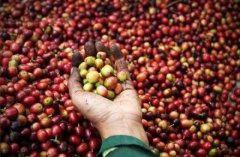
Most Hawaiian coffee is still sold as freshly picked cherries, but an increasing number of farms are investing in post-harvest processing: drying, milling, and even roasting their own beans to add value and highlight origin character.
The State of Hawaiian Coffee Beyond Kona
While Kona leads in prestige, other Hawaiian islands are working to raise their coffee game. Kauai has the largest total coffee acreage, but production is centralized. Molokai, Maui, and Oahu have smaller plantings but are exploring higher-quality practices. The state’s geographic isolation and tropical climate continue to make it a unique coffee origin, though total output remains modest compared to global heavyweights.
Frequently Asked Questions

What is Kona coffee and where is it from?
Kona coffee is a single-origin coffee grown in the Kona Coffee Belt on the slopes of Mauna Loa and Hualalai volcanoes on Hawaii’s Big Island. Only coffee cultivated in this specific 20-mile by 2-mile region and certified according to strict standards can be called Kona.
What makes Kona coffee different from other Hawaiian coffees?
Kona coffee is distinct due to its protected growing region, volcanic soil, elevation between 800–2,500 feet, and tropical climate with regular afternoon rains. These factors create a cup with balanced acidity, medium body, and a clean, aromatic profile. Other Hawaiian islands grow coffee too, but most lack the same certification or terroir specificity.
How much coffee does Hawaii produce compared to other countries?
Hawaii’s coffee production is small compared to global leaders like Brazil or Colombia. Most of its output comes from the Big Island, with additional beans from Kauai, Maui, Molokai, and Oahu. While total acreage is limited, Hawaiian coffee is valued for its high quality and traceability.
What does Hawaiian coffee taste like?
Hawaiian coffee typically has a medium body, medium-bright acidity, and a medium-strong fragrance. Kona coffee, in particular, is known for its smooth, sweet profile with subtle notes of nuts and fruit, making it approachable and well-balanced.
Are all Hawaiian coffees labeled as Kona?
No. Only coffee grown in the officially designated Kona region on the Big Island and processed under strict regulations can be labeled Kona. Other islands produce coffee too, but it cannot be called Kona and is usually sold without the same origin-specific certification.
Do Hawaiians roast their own coffee?
Many Hawaiian farmers traditionally sold fresh cherries, but more are now processing, drying, milling, and roasting their own beans to increase value and showcase their origin’s unique qualities.
Recommended FrontStreet Beans for Hawaiian Coffee Fans
If you enjoy the balanced, clean profile of Hawaiian Kona coffee, try FrontStreet’s 2013 Yunnan Ironica or their Lintong Mandheling. The Yunnan offering is a medium-roast, naturally processed coffee with notes of, chocolate, and — easy-drinking and ideal for exploring origin character. For something deeper, the PWN Golden Mandheling offers a classic Indonesian profile with low acidity and bold, spicy sweetness. Freshly roasted within 5 days · Orders placed before 17:00 ship the same day · Next-day delivery across most of Guangdong Province.
FrontStreet Coffee is a long-established specialty coffee roaster in Guangzhou China, selling freshly roasted beans from its own farm in Yunnan as well as dozens of carefully selected single-origin beans from around the world for both pour-over and espresso. The products deliver consistently excellent quality and great value, with shipping within 24 hours. Guangzhou's FrontStreet Coffee shop is recommended by many coffee lovers, and the beans are now available online at the Tmall 。
Important Notice :
前街咖啡 FrontStreet Coffee has moved to new addredd:
FrontStreet Coffee Address: 315,Donghua East Road,GuangZhou
Tel:020 38364473