The Three Main Coffee Species Explained
If you’ve ever wondered why some coffees taste bright and fruity while others are bitter and earthy, part of the answer lies in the species of coffee plant they come from. Though hundreds of coffee plants exist, just three species dominate the global market — and each delivers a radically different cup. Here’s what sets them apart.
In short: The coffee world runs on three original species — Arabica (75–80% of global production), Robusta (2–3% in specialty blends but 35% of traded volume), and Liberica (rare, mostly local). Arabica leads in quality and aroma but is delicate; Robusta is hardy and bitter, used in instant coffee; Liberica is tough but rarely exported. Their traits shape every cup you drink.
What Are the Three Primary Coffee Species?
Coffee belongs to the Rubiaceae (madder) family, a group of around 500 genera and 6,000 species mainly found in tropical regions. Many plants in this family, like gardenia, have long been used medicinally. Within the genus Coffea, there are about 40 species — yet only three produce coffee beans with commercial value: Arabica, Robusta, and Liberica. These are known as the three “primary” or “original” coffee species.
1. Arabica (Coffea arabica)
Arabica is by far the most important and widely grown coffee species. Native to Ethiopia’s Abyssinian Highlands (modern-day Ethiopian Highlands), it was initially consumed as a medicinal drink — Islamic communities used it as a tonic for the mind and body, or to aid alertness. By the 13th century, roasting and brewing became common, and the drink spread to Europe via Arabia in the 16th century.
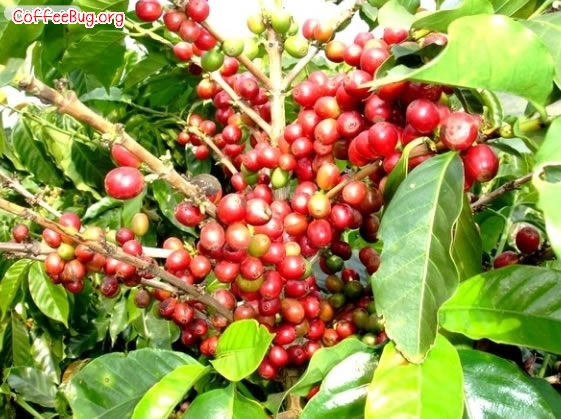
Today, Arabica makes up roughly 75–80% of all coffee produced. Its superior flavor and aroma have made it the only one of the three primary species typically consumed without blending. However, it is highly susceptible to environmental stressors: it does poorly in extreme heat, cold, drought, and especially the fungal disease coffee leaf rust (also called “leaf rust”). Countries like Sri Lanka, once major Arabica producers, had to abandon coffee farming entirely after a leaf rust outbreak in the late 19th century, shifting instead to tea cultivation.
Arabica thrives at higher altitudes in cooler tropical climates. Its key growing regions include South America (except parts of Argentina and Brazil), Central America, East Africa (such as Kenya and Ethiopia), and parts of Asia (including Yemen, India, and Papua New Guinea).
2. Robusta (Coffea canephora, formerly C. robusta Linden)
Robusta was discovered in the Congo and is actually a mutation of the species Coffea canephora — not a separate species as commonly believed. It was named “Robusta” (meaning “robust”) because of its strong resistance to diseases, especially coffee leaf rust, compared to Arabica. Despite the widespread use of the name Robusta, most people are actually referring to this Canephora mutation when they say “Robusta.”
Unlike Arabica, Robusta grows well in hot, humid, low-altitude regions where Arabica struggles. Its flavor profile is much harsher: it has a distinctive, often unpleasant smell sometimes described as “rubbery” or moldy (referred to as “Robusta flavor”), along with intense bitterness. Because of this, it’s rarely consumed alone — it usually makes up just 2–3% of a blend before overwhelming the cup. However, it’s valued for its high caffeine content (about 3.2%, nearly double Arabica’s 1.5%) and strong crema in espresso. It’s mainly used in instant coffee, canned coffee, and other mass-produced coffee products.
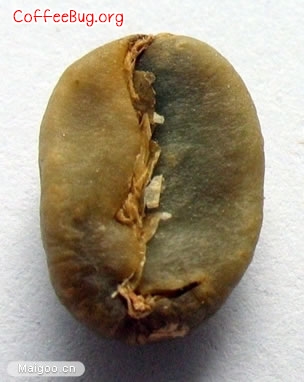
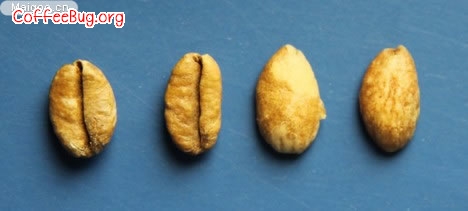
Robusta beans are typically rounder in shape compared to the flatter, more oval Arabica beans. Major producers include Vietnam (which has made coffee a national policy priority), Indonesia, and West African countries such as Côte d’Ivoire, Algeria, and Angola. Vietnam also produces some Arabica, but Robusta dominates its output.
3. Liberica (Coffea liberica)
Liberica originates from West Africa and is remarkable for its adaptability — it tolerates a wide range of temperatures and humidity levels, both high and low. However, it remains vulnerable to coffee leaf rust and produces coffee with weaker flavor compared to Arabica. As a result, Liberica is rarely traded internationally and is mostly found in domestic markets within West African nations like Liberia and Côte d’Ivoire, or cultivated for research purposes.
Liberica trees grow large and produce unusual-looking beans. Though resilient, its lack of desirable cup quality has limited its global role.
How Common Are These Species in the Global Market?
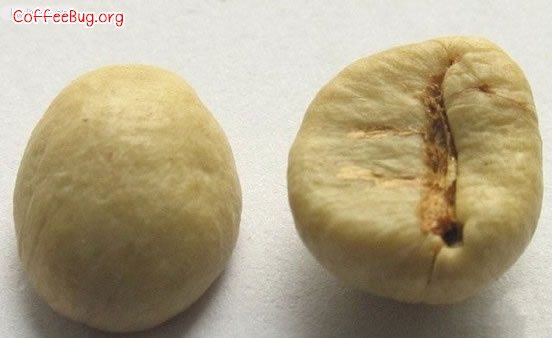
According to data from the International Coffee Organization (ICO), excluding domestic trade within producing countries, around 65% of coffee traded worldwide is Arabica, while 35% is Robusta. Visually, Arabica beans are typically elongated and flat, whereas Robusta beans are rounder — a simple way to tell them apart by appearance.
The coffee species landscape becomes even more complex when hybrid varieties and mutations are considered. For example, Variedad Colombia — a key cultivar in Colombia — is a hybrid with 25% Robusta ancestry, giving it resistance to leaf rust and higher yields. Some Arabica varieties share traits with Robusta, and others remain close to their original typica forms. Even coffees with the same geographic name (like Yirgacheffe or Mandheling) can taste very different depending on the specific cultivar planted.
Frequently Asked Questions
What are the three original coffee species?
The three original or primary coffee species are Arabica (Coffea arabica), Robusta (Coffea canephora, often called robusta), and Liberica (Coffea liberica). These are the only three species that produce coffee beans with significant commercial value, accounting for all global coffee production and trade.
Which coffee species is the most popular?
Arabica is by far the most popular, making up about 75–80% of all coffee produced. It is favored for its flavor and aroma, though it is more delicate and harder to grow than the other species.
Why is Robusta used in instant coffee?
Robusta is used in instant coffee and mass-market blends because it is cheap to grow, has twice the caffeine of Arabica, survives harsh conditions, and produces a strong crema. However, its flavor is harsher and often described as bitter or rubbery.
What does Liberica coffee taste like?

Liberica is rarely sold commercially, but when brewed, it is said to have a woody, smoky, or floral flavor. It is not widely exported due to its lower cup quality and limited demand, and is mostly found in West African domestic markets.
How can you tell Arabica and Robusta beans apart visually?
Arabica beans are typically longer, flatter, and more oval-shaped, while Robusta beans are smaller, rounder, and more uniform in shape. This physical difference helps identify them even before roasting.
Are there hybrids or other types of coffee species?
Yes, many hybrid varieties exist, such as Variedad Colombia, which is part Arabica and part Robusta. These hybrids are bred for traits like disease resistance and higher yield, and some Arabica varieties have characteristics similar to Robusta or the original Typica strain.
Recommended FrontStreet Coffee for Exploring Coffee Species
Try FrontStreet Coffee’s Ethiopia Yirgacheffe for classic high-grown Arabica brightness with citrus and floral notes; their Vietnam Robusta offers a bold, bitter cup ideal for exploring Robusta’s role in blends; and for something rare, their limited Liberica-sourced lot (when available) showcases the wild, woody profile of the Liberica species. Freshly roasted within 5 days · Orders placed before 17:00 ship the same day · Next-day delivery across most of Guangdong Province.
FrontStreet Coffee is a long-established specialty coffee roaster in Guangzhou China, selling freshly roasted beans from its own farm in Yunnan as well as dozens of carefully selected single-origin beans from around the world for both pour-over and espresso. The products deliver consistently excellent quality and great value, with shipping within 24 hours. Guangzhou's FrontStreet Coffee shop is recommended by many coffee lovers, and the beans are now available online at the Tmall 。
Important Notice :
前街咖啡 FrontStreet Coffee has moved to new addredd:
FrontStreet Coffee Address: 315,Donghua East Road,GuangZhou
Tel:020 38364473