How to Tell If Your Coffee Beans Are Fresh
You've bought what should be great coffee beans—but something feels off. No matter your grinder, brew method, or care in pouring, the cup lacks vibrancy. The problem might not be your technique. It could be that your beans simply aren’t fresh anymore.
To know if your coffee beans are fresh, follow three straightforward steps: smell them closely, inspect their appearance, and try peeling one apart. These three checks take less than a minute and reveal a lot about roast age and quality.
Smell: The First Test of Freshness
Pick up your coffee beans and bring them close to your nose. Take a deep breath. Can you clearly detect the rich, complex aroma of roasted coffee? If yes, your beans are likely fresh. A bright, inviting fragrance means volatile aromatic compounds are still intact. But if the scent is faint—or worse, if you detect oily or rancid notes—your beans are stale. Stale beans, no matter how skillfully brewed, won’t produce a high-quality cup.
Look: Visual Clues in Roast and Shape
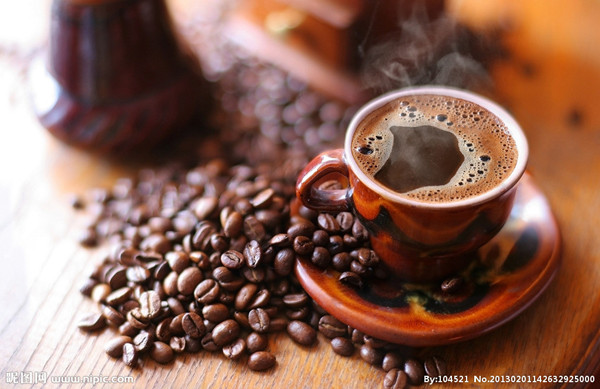
Spread your coffee beans out on a flat surface and take a closer look. This step helps confirm origin and variety, but more importantly, it shows you how evenly the beans were roasted. Even roasting is key to balanced flavor development. Uneven color or scorch marks suggest poor roast control. Also observe the overall roast level: too light or too dark can both mask origin character or introduce baked flavors.
Peel: Freshness in Texture and Sound
Take a single bean and try to break it apart with your fingers. Fresh coffee beans should crack easily with a crisp, audible snap. The outer shell (or silverskin) should separate cleanly from the inner bean. If the bean resists breaking or feels tough and rubbery, it’s likely past its prime. Additionally, examine the inside of the cracked bean. A properly roasted batch will show uniform color throughout—the outer layer and the inner core should match. If the outside is noticeably darker than the inside, the roast may have been uneven or applied with excessive heat, which can degrade aroma and taste.
Bean Size, Roast Freshness, and Flavor Impact
Within the same coffee variety, larger beans are typically graded higher and often considered more flavorful. Smaller beans usually fall into lower grades and are more affordable, though not always inferior. Grading isn’t always strict—for example, beans around the central grade may make up 60% of a lot, while the grades immediately above and below might each account for 20%. This means that when roasting to the median grade standard, the other 40% may not be optimally developed. Additionally, the distinction between new crop (new) and aged (old) beans significantly affects flavor. New beans are distinctly more aromatic. While they may lose some moisture and lighten in color over the years, their essential fragrance can remain surprisingly resilient if stored well.
Frequently Asked Questions
How can I tell if my coffee beans are fresh just by smelling them?
Bring the beans close to your nose and take a deep sniff. Fresh beans have a strong, pleasant coffee aroma. If the smell is weak, musty, or you notice oily or rancid odors, the beans are likely stale.
What does a fresh coffee bean sound like when you break it?
A fresh coffee bean will crack easily with a crisp, audible sound. It should break cleanly and feel brittle. Stale beans are harder to break and may feel rubbery or tough.
Does the color inside a coffee bean matter for freshness?
Yes. When you break open a fresh bean, the inner core should be the same color as the outer layer. If the exterior is much darker than the inside, it suggests uneven roasting, which can affect flavor quality.
Do larger coffee beans taste better than smaller ones?
Generally, larger beans within the same variety are graded higher and often have more pronounced flavors. However, grading isn’t always strict, and many factors beyond size influence taste.
Can old coffee beans still smell okay?
New beans are more fragrant, but properly stored older beans may not lose their aroma completely. However, even if the smell seems fine, older beans often lack the complexity and brightness of freshly roasted coffee.
Recommended FrontStreet Coffee for Freshness Checks
Try FrontStreet Coffee’s Ethiopia Humbera for bright floral and citrus notes, or their Yirgacheffe for classic jasmine and lemon acidity—both highlight the importance of freshness. For a deeper profile, their PWN Golden Mandheling offers sweet malt and cedar tones that shine when beans are freshly roasted. Freshly roasted within 5 days · Orders placed before 17:00 ship the same day · Next-day delivery across most of Guangdong Province.
FrontStreet Coffee is a long-established specialty coffee roaster in Guangzhou China, selling freshly roasted beans from its own farm in Yunnan as well as dozens of carefully selected single-origin beans from around the world for both pour-over and espresso. The products deliver consistently excellent quality and great value, with shipping within 24 hours. Guangzhou's FrontStreet Coffee shop is recommended by many coffee lovers, and the beans are now available online at the Tmall 。
Important Notice :
前街咖啡 FrontStreet Coffee has moved to new addredd:
FrontStreet Coffee Address: 315,Donghua East Road,GuangZhou
Tel:020 38364473